Chamber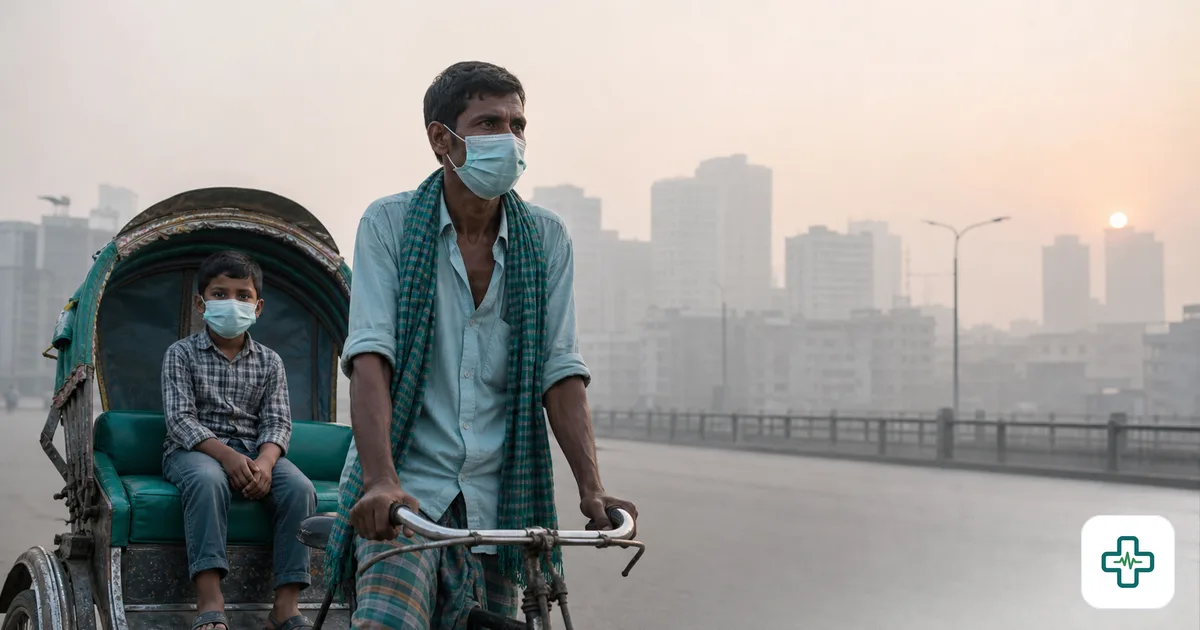
Air Pollution: Health Effects and How to Protect
On many winter mornings, Dhaka and other cities in Bangladesh wake up under a grey haze, and the air quality ranks among the worst in the world. This pollution is not just unpleasant; the tiny particles in it reach deep into the lungs and even the bloodstream, quietly affecting health over time. The good news is that simple, affordable steps can meaningfully reduce how much polluted air you and your family breathe.
What is air pollution made of?
The most harmful component for health is fine particulate matter, often called PM2.5, which is so small it bypasses the nose's natural filters. In our cities it comes from vehicle exhaust, brick kilns, construction dust, burning of waste, and industrial smoke. Indoor air can be polluted too, by cooking smoke, mosquito coils, and tobacco. Pollution tends to peak in the dry winter months, when still air traps smoke close to the ground.
How does it affect health?
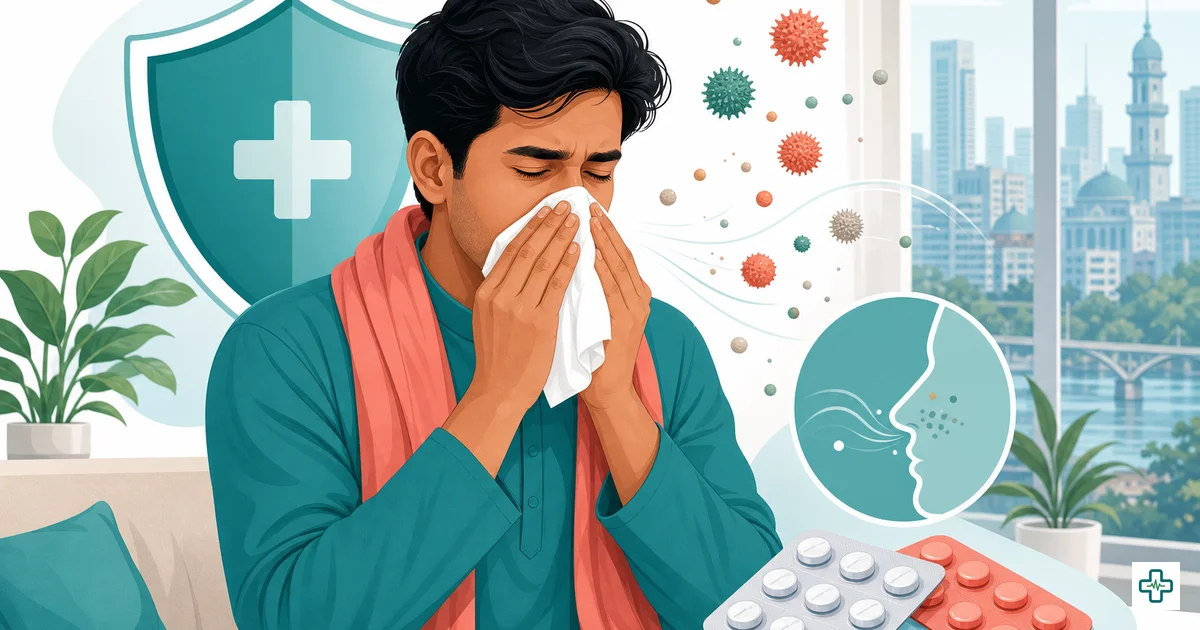
Polluted air affects far more than the lungs. Short-term and long-term exposure are both linked to real harm:
- Coughing, throat irritation, and worsening of asthma and COPD.
- More frequent chest infections, especially in young children.
- Higher risk of heart attacks, high blood pressure, and stroke over time.
- Red, itchy eyes and headaches on heavily polluted days.
- In pregnancy, links to low birth weight and other problems.
You may not feel the damage day to day, which is exactly why steady protection matters.
Who is most vulnerable?
Some groups feel the effects much more strongly: young children whose lungs are still developing, older adults, pregnant women, and anyone with asthma, COPD, heart disease, or diabetes. Outdoor workers such as traffic police, rickshaw pullers, and street vendors also breathe far more polluted air through the day and need extra care.
How can you protect yourself and your family?
You cannot clean the city's air alone, but you can reduce your exposure with practical habits:
- Check daily air-quality reports and keep outdoor activity lighter on very polluted, hazy days.
- Wear a well-fitting mask outdoors on bad days; a proper N95-type mask filters fine particles far better than a thin cloth one.
- Keep windows closed during peak pollution hours, especially early morning, and ventilate when air is cleaner.
- Avoid burning rubbish, mosquito coils, and tobacco indoors, and cook in a well-ventilated kitchen.
- Keep indoor plants and damp-dust surfaces to cut settled dust.
- Make sure children with asthma keep their inhalers handy and take controller treatment as prescribed.
What about masks and air purifiers?
A good mask helps most when worn correctly and snugly over the nose and mouth on high-pollution days; a loose or single-layer cloth mask offers little protection from fine particles. Indoor air purifiers with HEPA filters can help in bedrooms, especially for vulnerable family members, though good ventilation habits and reducing indoor smoke matter just as much.
When should you see a doctor?
See a doctor if you or your child has a cough that will not settle, increasing breathlessness, frequent wheezing, or chest pain, and seek urgent care for severe breathing difficulty or bluish lips. People with asthma or heart disease should have a clear action plan for bad-air days. You can find a chest or heart specialist and see a relevant specialist through our registered doctors, check prescribed inhalers and medicines in the medicine directory, and read more health tips on lung and heart care.
This article is for general health education and is not a substitute for professional medical advice; please consult a qualified doctor about your own health.
Frequently Asked Questions
Does a cloth mask protect against air pollution?
Only a little. Thin or loose cloth masks do not filter fine PM2.5 particles well. A snug, well-fitting N95-type mask gives much better protection on heavily polluted days.
Is air pollution worse at a particular time of year?
Yes. In Bangladesh pollution is usually worst in the dry winter months, when still, cool air traps smoke and dust near the ground. Early mornings are often the most polluted part of the day.
Can air pollution really affect the heart, not just the lungs?
Yes. Fine particles enter the bloodstream and, over time, raise the risk of high blood pressure, heart attacks, and stroke, which is why people with heart disease need to take bad-air days seriously.
Are home air purifiers worth it?
A HEPA-filter purifier can help in a bedroom, especially for children, elderly people, or those with asthma. It works best alongside closing windows during peak pollution and avoiding indoor smoke.