 Chamber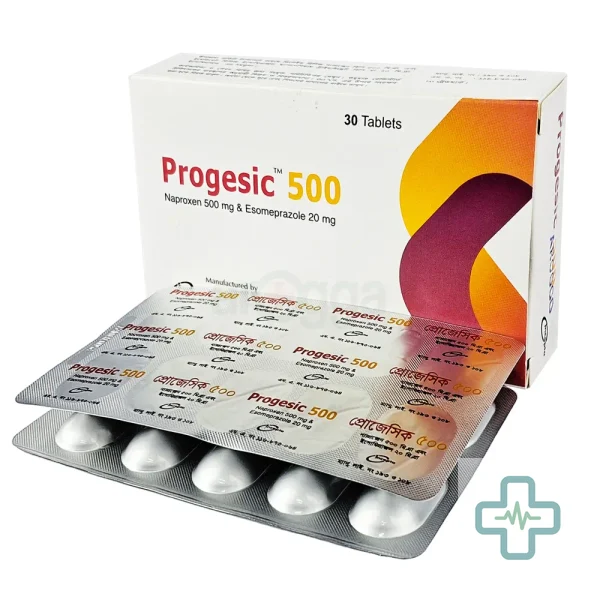
Tablet
Progesic 20 mg + 500 mg Tablet
Generic: Esomeprazole + Naproxen
Manufacturer: Incepta Pharmaceuticals Ltd.
Therapeutic class: NSAID with Proton Pump Inhibitor (fixed combination)
What is Progesic used for?
Progesic is a fixed-dose tablet containing esomeprazole and naproxen. It is used to relieve pain and inflammation in conditions such as arthritis, while esomeprazole helps reduce the risk of naproxen-related stomach irritation or ulcers.
Price in Bangladesh
| Pack | Price (BDT) |
|---|---|
| Per tablet | ৳ 15.00 |
| Strip of 10 | ৳ 150.00 |
Prices are indicative — actual retail price may vary by pharmacy.
What is Progesic?
Progesic is a fixed-dose tablet containing esomeprazole and naproxen. It is used to relieve pain and inflammation in conditions such as arthritis, while esomeprazole helps reduce the risk of naproxen-related stomach irritation or ulcers.
Progesic 20 mg + 500 mg tablet by Incepta Pharmaceuticals Ltd. is a fixed combination preparation of Esomeprazole + Naproxen. It pairs naproxen, a pain- and inflammation-relieving NSAID, with esomeprazole, an acid-reducing proton pump inhibitor, in a single dose. Doctors prescribe Progesic for arthritis-related pain in patients who need regular NSAID treatment but are at risk of developing stomach ulcers from it.
The two parts of Esomeprazole + Naproxen work together. Naproxen blocks cyclo-oxygenase (COX) enzymes, reducing the prostaglandins that drive pain, swelling and stiffness in joints. Because this same action can weaken the stomach's protective lining, the esomeprazole component is released first to suppress acid production, lowering the chance of NSAID-induced gastric and duodenal ulcers during ongoing treatment.
Indications
- Osteoarthritis pain and stiffness in patients at risk of NSAID-related ulcers
- Rheumatoid arthritis, as part of doctor-directed treatment
- Ankylosing spondylitis with chronic back pain and stiffness
- Other chronic inflammatory joint pain where regular NSAID use is needed with stomach protection, as judged by a doctor
Dosage & Administration
The dose of Progesic is decided only by a registered doctor, who weighs your pain control needs against heart, stomach and kidney risks. The commonly used adult schedule for this combination is one tablet twice daily, taken at least 30 minutes before a meal. Your doctor will aim for the shortest duration and lowest dose that controls symptoms, with periodic review of continued need.
Swallow the tablet whole; do not split, crush or chew it, as this destroys the layered release design. It is not recommended for children, in whom NSAID use is weight-based and decided per doctor only. Never self-adjust the dose.
Side Effects
Common side effects include indigestion, abdominal pain, nausea, diarrhoea, constipation, flatulence and headache. Dizziness, drowsiness and ringing in the ears can occur from the naproxen component, and mild ankle swelling or raised blood pressure may develop with continued use.
Serious risks need attention. NSAIDs can cause stomach or intestinal bleeding even with built-in acid protection, and may increase the risk of heart attack, stroke, kidney problems and severe skin or allergic reactions. Stop the medicine and seek urgent care for black or bloody stools, vomiting blood, chest pain, sudden weakness, breathlessness, marked swelling or a spreading rash.
Precautions & Warnings
Use this combination with particular care if you are elderly or have high blood pressure, heart disease, previous stroke, kidney or liver impairment, asthma, a history of ulcers or bleeding, or you smoke. Tell your doctor about all these conditions before starting. Blood pressure, kidney function and blood counts may need monitoring during longer treatment.
Take it before food as directed, avoid alcohol, and do not combine it with any other NSAID or pain-killer bought over the counter. Use the lowest effective dose for the shortest time. Dehydration increases kidney risk, so maintain fluid intake during fever or diarrhoea, and report reduced urine output promptly.
Drug Interactions
This combination interacts with many medicines. Bleeding risk rises with warfarin and other anticoagulants, antiplatelets, corticosteroids and SSRIs. Other NSAIDs, including aspirin pain doses, must not be added. Naproxen can blunt the effect of blood pressure medicines (ACE inhibitors, ARBs, diuretics) and, together with them, strain the kidneys; it can also raise lithium and methotrexate levels.
The esomeprazole part reduces clopidogrel's antiplatelet effect and lowers absorption of ketoconazole, itraconazole, iron and atazanavir; it should not be used with rilpivirine. Tell your doctor about every medicine, supplement and herbal product you take so risks can be managed.
Contraindications
Do not use this medicine if you are allergic to esomeprazole, other PPIs, naproxen or any component, or if aspirin or any NSAID has ever triggered asthma, hives or facial swelling in you. It is contraindicated with active stomach or intestinal ulcers or bleeding, severe heart failure, and for pain relief just before or after coronary bypass (CABG) surgery.
Avoid it in severe kidney or liver disease, in the third trimester of pregnancy, and with rilpivirine-containing medicines. It is not for children. People with previous gastrointestinal bleeding from NSAIDs need specialist assessment before any further NSAID exposure.
Pregnancy & Lactation
Pregnancy: This combination should be avoided in pregnancy unless a doctor specifically advises otherwise. The naproxen component is contraindicated in the third trimester because it can harm the baby's heart circulation and kidneys and delay labour; use earlier in pregnancy also requires a doctor's risk assessment.
Lactation: Small amounts of both components can pass into breast milk. Naproxen's long action makes it less suitable during breastfeeding, especially with newborns or premature babies. Breastfeeding mothers should use this medicine only if a doctor judges it appropriate and should watch the infant for unusual symptoms.
Storage Conditions
Store below 30°C in a dry place, protected from light and moisture. Keep the tablet in its original packaging until use to preserve the layered coating. Keep well out of the reach and sight of children. Do not use after the expiry date on the pack, and return unused medicine to a pharmacy for safe disposal where possible.
Frequently Asked Questions
Why does Progesic contain two medicines in one tablet?
Can I take Progesic with other pain-killers when pain is severe?
Is Progesic safe for my heart and kidneys?
Last updated: