 Chamber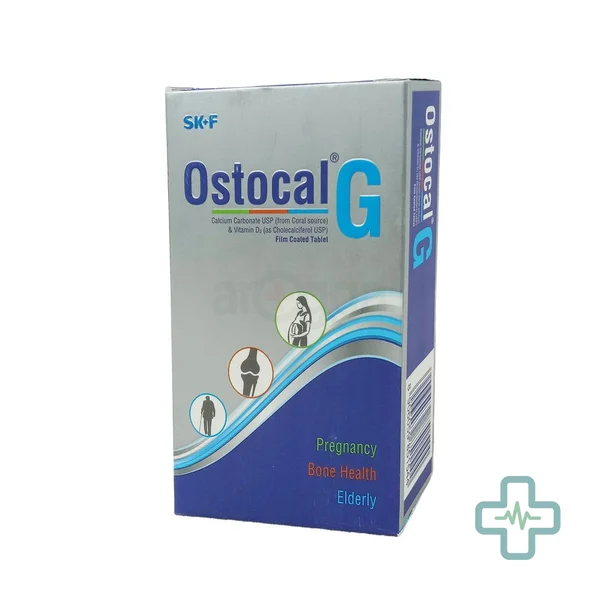
Tablet
Ostocal 500 mg + 200 iu Tablet
Generic: Calcium + Vitamin D3
Manufacturer: Eskayef Pharmaceuticals Ltd. Mirpur.
Therapeutic class: Bone health supplement (mineral + vitamin combination)
What is Ostocal used for?
Ostocal is a tablet containing calcium 500 mg with vitamin D3 200 IU, made by Eskayef Pharmaceuticals Ltd. It is used to help manage calcium and vitamin D deficiency and to support bone health in conditions such as osteoporosis.
Price in Bangladesh
| Pack | Price (BDT) |
|---|---|
| Per tablet | ৳ 11.00 |
| Strip of 10 | ৳ 110.00 |
Prices are indicative — actual retail price may vary by pharmacy.
What is Ostocal?
Ostocal is a tablet containing calcium 500 mg with vitamin D3 200 IU, made by Eskayef Pharmaceuticals Ltd. It is used to help manage calcium and vitamin D deficiency and to support bone health in conditions such as osteoporosis.
Ostocal 500 mg + 200 iu tablet by Eskayef Pharmaceuticals Ltd. Mirpur. is a combined Calcium + Vitamin D3 preparation for bone health. It pairs calcium, the main building mineral of bone, with vitamin D3 (cholecalciferol), which the body needs to absorb that calcium. Doctors prescribe Ostocal to prevent and treat combined deficiency, to support treatment of osteoporosis and osteomalacia, and to meet raised needs in pregnancy, lactation and older age.
The two components of Calcium + Vitamin D3 work as a team. Vitamin D3 is converted in the liver and kidneys to its active form, which increases calcium absorption from the intestine and helps deposit it in bone. Calcium then supplies the raw material for bone strength and supports muscles, nerves and clotting. Together they correct deficiency more effectively than calcium alone.
Indications
- Prevention and treatment of combined calcium and vitamin D deficiency
- Adjunct to specific osteoporosis treatment, as directed by a doctor
- Osteomalacia and bone softening linked to poor diet or limited sunlight
- Increased needs in pregnancy, lactation, adolescence and older age
- Bone protection during long-term corticosteroid therapy, per doctor
- Support after fractures or in low bone density (osteopenia), as advised
Dosage & Administration
The dose of Ostocal should be decided by a registered doctor based on your diet, blood levels, age and bone status. Commonly used adult regimens provide around 500-600 mg elemental calcium with 200-400 IU vitamin D3 once or twice daily, taken with or after food for better absorption and comfort. Where daily needs are higher, doses are divided, since the body absorbs calcium best in amounts of about 500-600 mg at a time.
Swallow or chew the tablet as the pack directs. For children, dosing is weight- and age-based, only per doctor. Do not exceed the advised daily total from all supplements combined.
Side Effects
At recommended doses this combination is generally well tolerated. The most common side effects are constipation, bloating, gas, belching and mild nausea or stomach discomfort, usually eased by taking it with food, dividing doses and drinking enough water.
Taking too much for too long can raise blood calcium and vitamin D, causing thirst, frequent urination, poor appetite, nausea, weakness, confusion and kidney stones. People on high-dose vitamin D from several products are most at risk of this overlap. Allergic reactions are rare. Seek medical advice for persistent constipation, marked thirst, reduced urine, bone pain or unusual drowsiness.
Precautions & Warnings
Before regular use, tell your doctor if you have kidney disease or stones, parathyroid or thyroid disorders, sarcoidosis or any condition causing high calcium. Count your total intake from food, fortified milk, multivitamins and other supplements so calcium and vitamin D are not doubled up unknowingly; long-term users may need periodic blood and urine calcium checks.
Take it with food, keep about a two-hour gap from iron, zinc and thyroid medicines, and follow your doctor's spacing advice for antibiotics and osteoporosis tablets. Immobile patients absorb calcium differently and need closer supervision. Remember that sunlight, exercise and dietary protein remain essential partners for bone health.
Drug Interactions
The calcium part reduces absorption of tetracycline and quinolone antibiotics, levothyroxine, iron, zinc and bisphosphonates such as alendronate; keep gaps of two to four hours or more as advised. Thiazide diuretics reduce calcium excretion and can cause high blood calcium with this combination, and raised calcium increases digoxin toxicity risk.
For the vitamin D3 part, enzyme-inducing medicines like rifampicin, phenytoin, carbamazepine and phenobarbital lower its effect, while orlistat and cholestyramine reduce its absorption. Corticosteroids blunt vitamin D action and calcium absorption. Avoid stacking with other vitamin D-containing products. Share your complete medicine and supplement list with your doctor or pharmacist.
Contraindications
This combination must not be used in high blood or urinary calcium, hypervitaminosis D, conditions that raise calcium such as hyperparathyroidism, sarcoidosis and some cancers involving bone, severe kidney impairment or recurrent calcium kidney stones without specialist supervision, or known hypersensitivity to calcium salts, cholecalciferol or any excipient.
Caution and medical guidance are needed in kidney disease, immobilised patients and anyone already taking vitamin D or calcium from other products. If blood tests during use show raised calcium, the supplement is usually stopped and reviewed by the doctor before any restart.
Pregnancy & Lactation
Pregnancy: Calcium with vitamin D3 is commonly advised in pregnancy at recommended doses, since needs increase and supplementation supports the baby's bones and may help reduce pregnancy-related high blood pressure. Avoid high doses, as sustained excess calcium and vitamin D can harm mother and baby; follow the amount your doctor sets alongside any other antenatal supplements.
Lactation: Both calcium and vitamin D pass into breast milk as natural components, and recommended supplemental doses are compatible with breastfeeding. Tell your baby's doctor if the infant also receives vitamin D drops so the combined amount stays appropriate.
Storage Conditions
Store below 30°C in a dry place, protected from direct sunlight, heat and moisture, with the container tightly closed — vitamin D3 degrades with light and humidity. Keep the tablet in its original packaging until use. Keep out of the reach and sight of children, and do not use after the expiry date printed on the pack.
Frequently Asked Questions
Why does Ostocal contain vitamin D3 along with calcium?
What is the best time of day to take Ostocal?
Can Ostocal cure my osteoporosis by itself?
Last updated: