 Chamber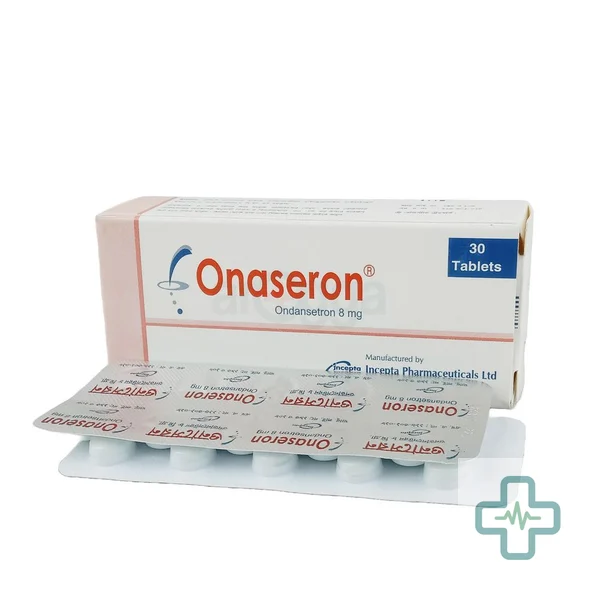
Tablet
Onaseron 8 mg Tablet
Generic: Ondansetron
Manufacturer: Incepta Pharmaceuticals Ltd.
Therapeutic class: Antiemetic (5-HT3 receptor antagonist)
What is Onaseron used for?
Onaseron 8 mg Tablet contains ondansetron, an antiemetic medicine from the 5-HT3 receptor antagonist group. It is used to help prevent or control nausea and vomiting associated with chemotherapy, radiotherapy, or after surgery when prescrib…
Price in Bangladesh
| Pack | Price (BDT) |
|---|---|
| Per tablet | ৳ 11.00 |
| Strip of 10 | ৳ 110.00 |
Prices are indicative — actual retail price may vary by pharmacy.
What is Onaseron?
Onaseron 8 mg Tablet contains ondansetron, an antiemetic medicine from the 5-HT3 receptor antagonist group. It is used to help prevent or control nausea and vomiting associated with chemotherapy, radiotherapy, or after surgery when prescribed by a doctor.
Onaseron 8 mg tablet is a preparation of Ondansetron manufactured by Incepta Pharmaceuticals Ltd.. It is a powerful antiemetic of the 5-HT3 receptor antagonist class, prescribed to prevent and treat nausea and vomiting. Doctors commonly use Onaseron for vomiting caused by cancer chemotherapy and radiotherapy, after surgery, and in severe gastroenteritis or other vomiting illnesses when simpler measures are not enough.
Ondansetron works by blocking serotonin (5-HT3) receptors. Chemotherapy, radiation and gut irritation release serotonin from cells in the intestine, which fires signals along the vagus nerve to the brain's vomiting centre. By blocking these receptors in both the gut and the brain's trigger zone, Ondansetron interrupts the signal pathway, so the urge to vomit is greatly reduced.
Indications
- Prevention and treatment of chemotherapy-induced nausea and vomiting
- Nausea and vomiting from radiotherapy
- Prevention and treatment of post-operative nausea and vomiting
- Severe vomiting in gastroenteritis when fluids and simple measures fail, per doctor
- Severe pregnancy vomiting (hyperemesis) only when a doctor prescribes it after weighing risks
Dosage & Administration
The dose of Onaseron is always determined by a registered doctor according to the cause of vomiting, your body weight and overall condition. Commonly used adult ranges of ondansetron are 4-8 mg per dose, up to two or three times daily, by mouth; higher structured regimens are used around chemotherapy under specialist supervision. It can be taken with or without food.
Doses for children are weight-based and must be set by a doctor. Do not exceed the prescribed daily maximum, as high doses increase heart-rhythm risk. If vomiting prevents swallowing tablets, contact your doctor; injectable or melt-in-mouth forms may be considered.
Side Effects
Common side effects of ondansetron include headache, constipation, a feeling of warmth or flushing, tiredness and dizziness. Hiccups occur in some people. These effects are usually mild and short-lived.
Less common but important effects include slow heartbeat, temporary visual disturbance and raised liver enzymes. Ondansetron can prolong the QT interval, particularly at high intravenous doses or with other QT-prolonging medicines, rarely causing serious arrhythmia. Combined with other serotonergic drugs it may contribute to serotonin syndrome — agitation, tremor, fever and fast heartbeat. Seek urgent help for palpitations, fainting, severe allergic reaction or these serotonin symptoms.
Precautions & Warnings
Tell your doctor before taking ondansetron if you have heart disease, a slow or irregular heartbeat, congenital long QT syndrome, low potassium or magnesium, or liver disease — daily dose limits apply in significant liver impairment. Correcting fluid and electrolyte loss from vomiting remains essential; the medicine controls vomiting but does not replace rehydration such as ORS.
Ondansetron can cause constipation, so use care if you have recent bowel surgery or signs of obstruction; it may mask a worsening abdomen. Vomiting that persists, contains blood or follows head injury needs assessment rather than repeated antiemetic doses. Avoid driving if you feel dizzy or tired.
Drug Interactions
Apomorphine must never be used with ondansetron, as the combination can cause profound low blood pressure and loss of consciousness. Caution is needed with other QT-prolonging drugs — certain antiarrhythmics, antipsychotics, macrolide antibiotics, antifungals and antimalarials — and with diuretics that lower potassium or magnesium.
Combining ondansetron with serotonergic medicines such as SSRIs, SNRIs, tramadol or triptans raises the risk of serotonin syndrome. Tramadol's pain relief may also be reduced. Strong enzyme inducers like rifampicin, carbamazepine and phenytoin can lower ondansetron levels. Share your full medicine list with your doctor and pharmacist before use.
Contraindications
Ondansetron is contraindicated in people with known hypersensitivity to it or to other 5-HT3 antagonists such as granisetron, and in anyone taking apomorphine. Previous severe allergic reaction to this group — rash with swelling or breathing difficulty — means it must not be used again.
It should be avoided in congenital long QT syndrome and used only with great caution, if at all, in uncorrected low potassium or magnesium or significant rhythm disease. In the first trimester of pregnancy it is reserved for situations where a doctor judges it necessary. Confirm suitability with your doctor before use.
Pregnancy & Lactation
Pregnancy: Ondansetron is not a routine medicine for ordinary morning sickness. Most studies are reassuring, but some have suggested a small increase in cleft lip/palate risk with first-trimester use. It is therefore reserved for severe vomiting (hyperemesis) when safer options have failed, and only on a doctor's prescription after discussing risks.
Lactation: Information on ondansetron in breast milk is limited, though it is commonly given after caesarean delivery without reported harm. Breastfeeding mothers should use it only under medical advice and watch the baby for unusual sleepiness or poor feeding.
Storage Conditions
Store below 30°C in a dry place, protected from light and moisture. Keep the tablet in its original blister or container until use; handle orally disintegrating forms with dry hands and use immediately after opening the blister. Keep out of the reach and sight of children. Do not use after the printed expiry date.
Frequently Asked Questions
Can I take Onaseron for vomiting during pregnancy?
Does Onaseron also stop diarrhoea in a stomach infection?
What if I vomit right after taking Onaseron?
Last updated: