 Chamber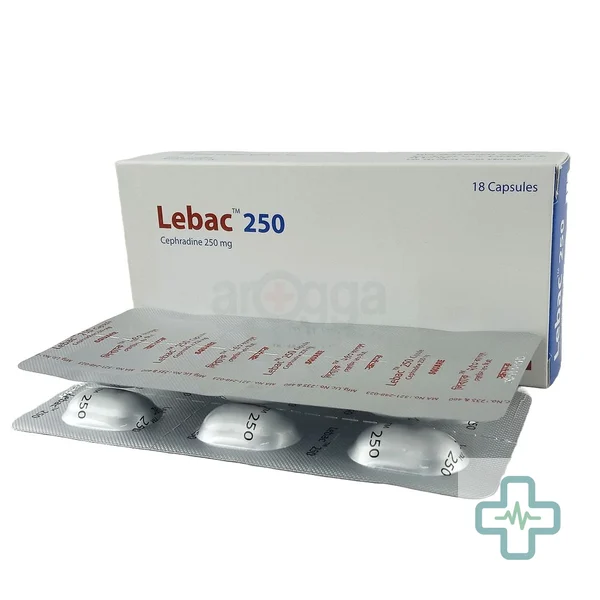
Capsule
Lebac 250 mg Capsule
Generic: Cephradine
Manufacturer: Square Cephalosporins Ltd.
Therapeutic class: First-generation cephalosporin antibiotic
What is Lebac used for?
Lebac 250 mg Capsule contains cephradine, a first-generation cephalosporin antibiotic from Square Cephalosporins Ltd. It is used to treat susceptible bacterial infections, including infections of the respiratory tract, urinary tract, skin a…
Price in Bangladesh
| Pack | Price (BDT) |
|---|---|
| Per capsule | ৳ 8.03 |
| Strip of 6 | ৳ 48.18 |
Prices are indicative — actual retail price may vary by pharmacy.
What is Lebac?
Lebac 250 mg Capsule contains cephradine, a first-generation cephalosporin antibiotic from Square Cephalosporins Ltd. It is used to treat susceptible bacterial infections, including infections of the respiratory tract, urinary tract, skin and soft tissue, and some ear infections.
Lebac 250 mg capsule by Square Cephalosporins Ltd. contains Cephradine, a first-generation cephalosporin antibiotic and one of the most commonly prescribed antibiotics in Bangladesh. It is widely used for everyday bacterial infections of the throat, skin, soft tissues, urinary tract, and respiratory system. Lebac is a prescription-only medicine and should be taken only as directed by a registered doctor.
Cephradine works by stopping bacteria from building their protective cell wall. Without a complete wall the bacteria cannot survive and break apart, which clears the infection. Being an antibiotic, it acts only against bacteria and does nothing for viral illnesses such as colds, flu, or most coughs and sore throats.
Indications
- Throat and tonsil infections
- Skin and soft-tissue infections (e.g. cellulitis, abscesses)
- Urinary tract infections
- Respiratory tract infections such as bronchitis
- Ear infections
- Prevention of infection around some surgical procedures
Dosage & Administration
The dose of Lebac depends on the infection. A common adult dose is 250-500 mg every 6 hours, or 500 mg to 1 g every 12 hours, for about 7 days. Lebac can be taken with or without food, but taking it with a little food can reduce stomach upset.
Children's doses are based on body weight and must be set by a doctor — never guess. Space the doses evenly through the day, finish the entire prescribed course, and if you miss a dose take it when you remember unless the next one is almost due.
Side Effects
Cephradine is generally well tolerated. Possible side effects include:
- Nausea, vomiting, or diarrhoea
- Abdominal discomfort
- Skin rash or itching
- Oral or vaginal thrush with longer courses
Rarely it can cause serious allergic reactions or severe, persistent diarrhoea from a bowel infection. Stop Lebac and seek urgent medical help if you experience swelling of the face or throat, breathing difficulty, a widespread rash, or bloody diarrhoea.
Precautions & Warnings
Lebac is a prescription-only antibiotic — never self-medicate. Because cephradine is so easily available and widely used in Bangladesh, it is often taken without proper advice; take it only when a registered doctor prescribes it, and never share it or buy it over the counter. Always complete the full course, even after you feel better, or the strongest bacteria survive and return.
Tell your doctor about any penicillin or cephalosporin allergy and any kidney disease. Antibiotic resistance is a serious national crisis in Bangladesh, and the casual, incomplete use of common antibiotics like Cephradine is one of its biggest drivers.
Drug Interactions
Tell your doctor about all medicines you take. Notable interactions with Cephradine include:
- Probenecid — raises cephradine levels in the blood
- Strong diuretics (e.g. furosemide) — may add to kidney strain
- Warfarin — bleeding risk may increase
- It can interfere with some urine glucose tests in people with diabetes
Contraindications
Do not take Lebac if you:
- Are allergic to cephradine or other cephalosporin antibiotics
- Have had a severe allergic reaction to penicillin
Use with caution and tell your doctor if you have kidney disease or a history of bowel disease (colitis). Your doctor will decide whether Lebac is the right choice for your infection.
Pregnancy & Lactation
Cephradine may be used in pregnancy when the doctor judges it necessary, as cephalosporins are generally regarded as among the safer antibiotic choices. Always tell your doctor if you are pregnant or planning to conceive.
Only small amounts pass into breast milk and it is usually considered compatible with breastfeeding, though the baby may occasionally develop loose stools or thrush. Mention breastfeeding to your doctor before starting Lebac.
Storage Conditions
Store Lebac in a cool, dry place below 30°C, away from sunlight and moisture, in its original packaging. Reconstituted suspension for children should be used within the time stated on the label, often within a few days. Keep all forms out of the reach of children and do not use after the expiry date.
Frequently Asked Questions
Lebac is easy to buy at pharmacies here — can I just take it whenever I have a fever?
Should I keep taking Lebac after my throat feels normal again?
Can I take Lebac with or without food, and what if I forget a dose?
Last updated: