 Chamber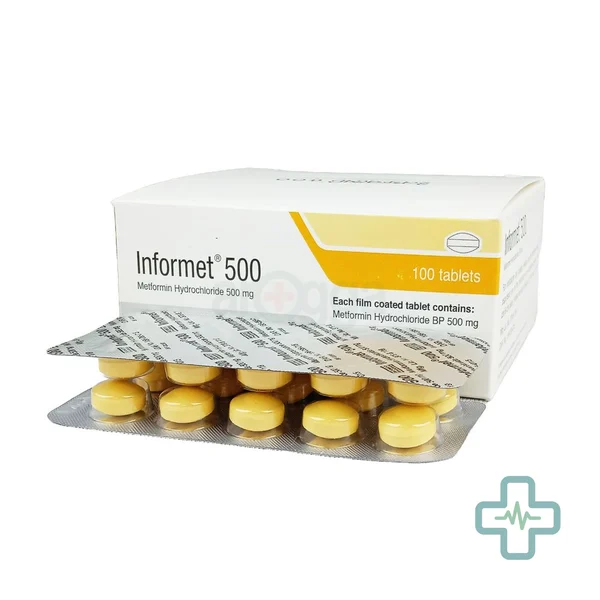
Tablet
Informet 500 mg Tablet
Generic: Metformin Hydrochloride
Manufacturer: Beximco Pharmaceuticals Ltd.
Therapeutic class: Biguanide — oral antidiabetic (first-line for type 2 diabetes)
What is Informet used for?
Informet 500 mg Tablet contains metformin hydrochloride, a biguanide oral antidiabetic medicine from Beximco Pharmaceuticals Ltd.
Price in Bangladesh
| Pack | Price (BDT) |
|---|---|
| Per tablet | ৳ 3.00 |
| Strip of 10 | ৳ 30.00 |
Prices are indicative — actual retail price may vary by pharmacy.
What is Informet?
Informet 500 mg Tablet contains metformin hydrochloride, a biguanide oral antidiabetic medicine from Beximco Pharmaceuticals Ltd. It is used in type 2 diabetes to help control blood glucose, usually as part of an overall plan that includes diet and physical activity.
Informet 500 mg tablet is a medicine from Beximco Pharmaceuticals Ltd. containing the generic Metformin Hydrochloride. It is the most widely used first-line treatment for type 2 diabetes in Bangladesh and worldwide. Doctors prescribe it to lower high blood sugar, often together with diet control and regular physical activity, and sometimes alongside other diabetes medicines or insulin.
Metformin works in a simple, sensible way: it tells the liver to release less sugar into the blood, and it helps your muscles and body tissues respond better to your own insulin so they take up sugar more easily. It does not force the pancreas to pump out extra insulin, which is why metformin on its own very rarely causes dangerously low blood sugar. It may also support modest weight control, which benefits many people with type 2 diabetes.
Indications
Informet is mainly prescribed for:
- Type 2 diabetes mellitus — as the usual first-choice tablet, alone or combined with other antidiabetic medicines or insulin.
- Prediabetes — in selected people at high risk of developing diabetes, when lifestyle change alone is not enough (doctor's decision).
- Polycystic ovary syndrome (PCOS) — to improve insulin resistance and menstrual regularity in some women, as advised by a specialist.
It is not used for type 1 diabetes on its own, because type 1 patients must have insulin. Your doctor will decide whether metformin suits your kidney function, age and overall health.
Dosage & Administration
The dose of Informet is always decided by your doctor based on your blood sugar, HbA1c, kidney function and other medicines. A common pattern is to start low — for example 500 mg once or twice daily — and increase gradually every one to two weeks to reduce stomach upset. Many patients settle on 1000–2000 mg per day in divided doses; extended-release forms are usually taken once daily with the evening meal.
- Always take Informet with or just after meals to minimise gastric side effects.
- Swallow extended-release tablets whole; do not crush or chew them.
- If you miss a dose, take it with your next meal — never take a double dose.
- Never stop or change the dose on your own, even if your sugar readings look normal; normal readings mean the medicine is working.
Side Effects
Most side effects of Informet are mild and settle within the first few weeks as your body adjusts:
- Stomach upset — nausea, loose stools, gas, mild abdominal discomfort or a metallic taste; taking the tablet with food and starting at a low dose greatly reduces this.
- Reduced appetite and slight weight loss in some people.
- Vitamin B12 deficiency with long-term use — your doctor may check B12 levels periodically and prescribe a supplement if needed.
- Lactic acidosis — very rare but serious; risk rises with severe kidney problems, dehydration or heavy alcohol use. Seek urgent help for unusual muscle pain, rapid breathing, severe weakness or drowsiness.
Precautions & Warnings
Before and while taking Informet, keep these points in mind:
- Tell your doctor about any kidney or liver disease — kidney function is usually tested before starting and at least yearly afterwards.
- The medicine may need to be paused before contrast X-ray/CT scans or major surgery; remind the doctor or radiologist that you take metformin.
- Avoid excessive alcohol, which raises the risk of lactic acidosis and low blood sugar.
- During vomiting, diarrhoea or fever with poor fluid intake, ask your doctor whether to hold the dose temporarily.
- Continue your diet plan, exercise and regular blood sugar and HbA1c monitoring — the tablet supports, not replaces, lifestyle care.
Drug Interactions
Tell your doctor and pharmacist about every medicine you take with Informet:
- Iodinated contrast media (X-ray/CT dye) — metformin is usually stopped around the scan to protect the kidneys.
- Other diabetes medicines or insulin — combined use can lower blood sugar more; doses may need adjustment.
- Diuretics (water pills), ACE inhibitors, NSAIDs — can affect kidney function and metformin safety.
- Steroids and some hormone medicines — may push blood sugar up, weakening control.
- Alcohol — increases lactic acidosis and hypoglycaemia risk.
- Some drugs such as cimetidine can raise metformin levels — your doctor will monitor for this.
Contraindications
Informet should not be taken if you have:
- Severe kidney failure (very low eGFR) — the main contraindication, because the drug is cleared by the kidneys.
- Metabolic acidosis or diabetic ketoacidosis — these emergencies need insulin, not metformin.
- Severe dehydration, shock, severe infection or recent heart attack with circulatory failure — conditions that starve tissues of oxygen.
- Severe liver disease or alcohol dependence.
- Known allergy to metformin or any ingredient of the product.
Your doctor will weigh these risks before prescribing.
Pregnancy & Lactation
Pregnancy: Metformin is often considered when treating diabetes in pregnancy (including gestational diabetes) in many guidelines, but the choice between metformin and insulin must be made by your doctor — never start, stop or continue Informet in pregnancy on your own. Good sugar control in pregnancy protects both mother and baby.
Breastfeeding: Only small amounts pass into breast milk, and metformin is generally regarded as compatible with breastfeeding in healthy, full-term babies. Still, inform your doctor that you are breastfeeding so the overall treatment plan and the baby's wellbeing can be considered together.
Storage Conditions
Store Informet below 30°C in a cool, dry place away from direct sunlight and moisture — avoid keeping it in the bathroom or near the kitchen stove. Keep the strip or container tightly closed and always out of the reach and sight of children. Do not use after the expiry date printed on the pack, and return unused expired medicine to a pharmacy rather than throwing it in household waste.
Frequently Asked Questions
Can I stop Informet when I feel better and my sugar readings are normal?
No — never stop Informet on your own. Type 2 diabetes is a lifelong condition, and normal readings mean the medicine, diet and exercise are working, not that the diabetes has gone. Stopping suddenly lets blood sugar climb again, silently damaging the eyes, kidneys, nerves and heart. If you believe your dose could be reduced, discuss it with your doctor, who will check your HbA1c and decide safely.
Why does Informet upset my stomach, and what can I do about it?
Nausea, loose stools and gas are the most common early side effects of metformin. They usually fade within two to four weeks as your body adjusts. To minimise them, always take Informet with or immediately after a meal, start at the low dose your doctor sets, and increase only as instructed. If symptoms persist, your doctor may switch you to an extended-release form, which is gentler on the stomach. Do not simply stop the tablet — talk to your doctor instead.
Does long-term use of Informet cause vitamin B12 deficiency?
Long-term metformin use can reduce vitamin B12 absorption in some people, which over years may cause anaemia, tingling or numbness in the hands and feet, and tiredness. This does not mean you should avoid the medicine — its benefits in diabetes are well proven. Instead, your doctor may check your B12 level periodically, especially if you develop such symptoms, and prescribe a B12 supplement or injection when needed. Eating B12-rich foods such as fish, meat, eggs and milk also helps.
Last updated: