
Generic
Sodium Picosulfate
Brand medicines containing Sodium Picosulfate available in Bangladesh — compare prices, strengths and manufacturers.
Sodium Picosulfate brands in Bangladesh
Showing 1–24 of 78 medicines
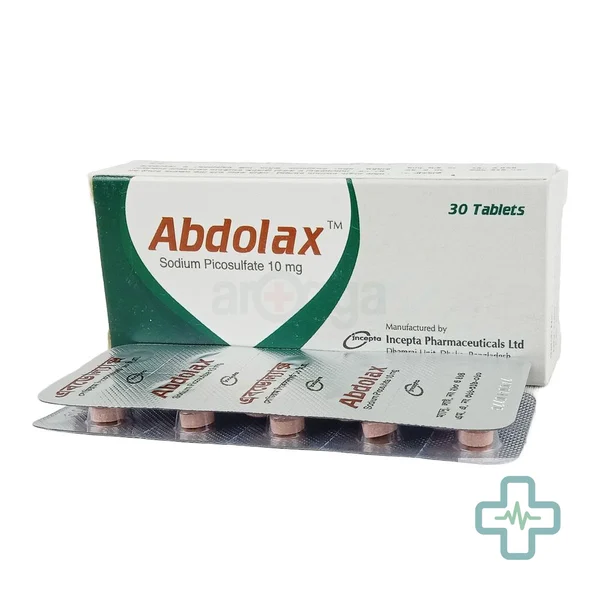
Abdolax 10 mg Tablet
Sodium Picosulfate
Incepta Pharmaceuticals Ltd.
Abdolax 100 mg/100 ml Oral Solution
Sodium Picosulfate
Incepta Pharmaceuticals Ltd.
Abdolax Max 750 mg/100 ml Oral Solution
Sodium Picosulfate
Incepta Pharmaceuticals Ltd.
Befree Oral Solution 100 mg/100 ml
Sodium Picosulfate
Medicon Pharmaceuticals Ltd.
Befree Tablet 10 mg
Sodium Picosulfate
Medicon Pharmaceuticals Ltd.
Clenopiq 10 mg Tablet
Sodium Picosulfate
One Pharma Ltd.
Clenopiq 100 mg/100 ml Oral Solution
Sodium Picosulfate
One Pharma Ltd.
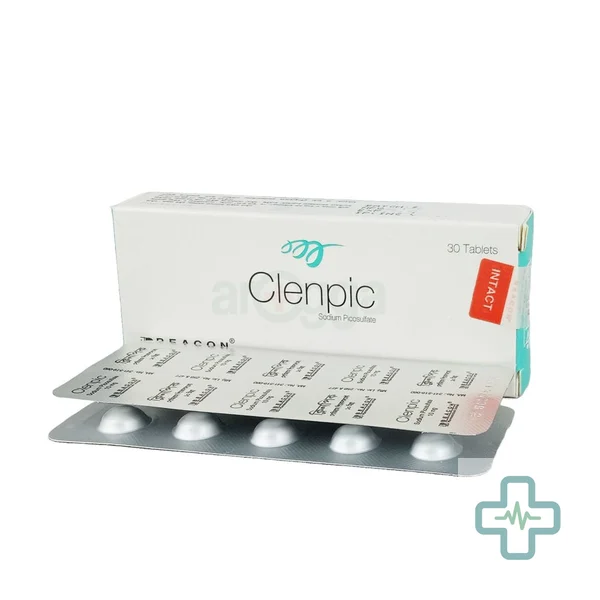
Clenpic 10 mg Tablet
Sodium Picosulfate
Beacon Pharmaceuticals PLC
Clenpic 100 mg/100 ml Oral Solution
Sodium Picosulfate
Beacon Pharmaceuticals PLC
Conlief 10 Tablet
Sodium Picosulfate
Radiant Pharmaceuticals Ltd.
Easy Bowel 10 mg Tablet
Sodium Picosulfate
Pharmik Laboratories Ltd.
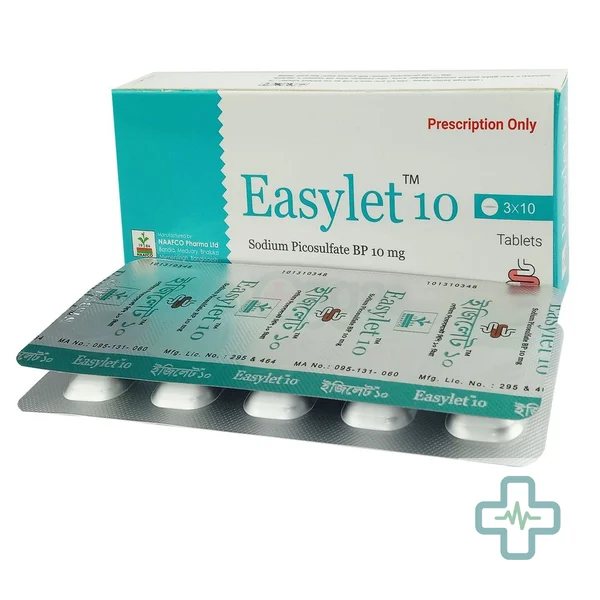
Easylet 10 mg Tablet
Sodium Picosulfate
Naafco Pharma Ltd.
Easylet Oral Solution 100 mg/100 ml
Sodium Picosulfate
Naafco Pharma Ltd.
Easyrest 10 mg Tablet
Sodium Picosulfate
Pristine Pharmaceuticals
Exylow Oral Solution 100 mg/100 ml
Sodium Picosulfate
Monicopharma Limited
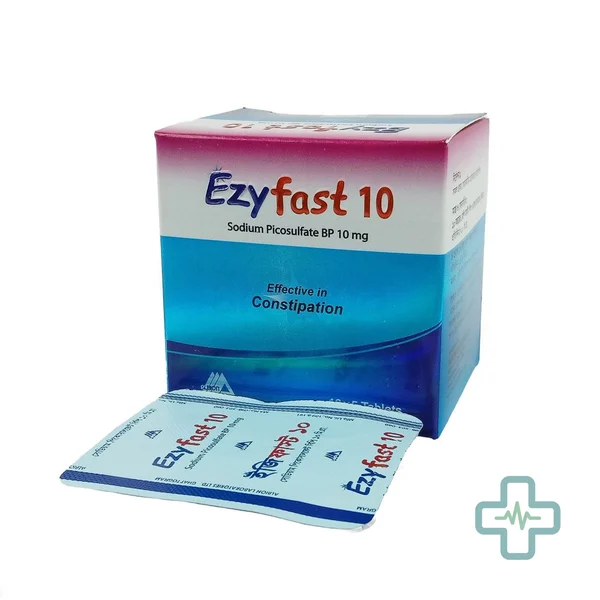
Ezyfast 10 mg Tablet
Sodium Picosulfate
Albion Laboratories Ltd.
Ezyfast Oral Solution 100 mg/100 ml
Sodium Picosulfate
Albion Laboratories Ltd.
Ezyfeel 100 mg/100 ml Oral Solution
Sodium Picosulfate
Euro Pharma Ltd.
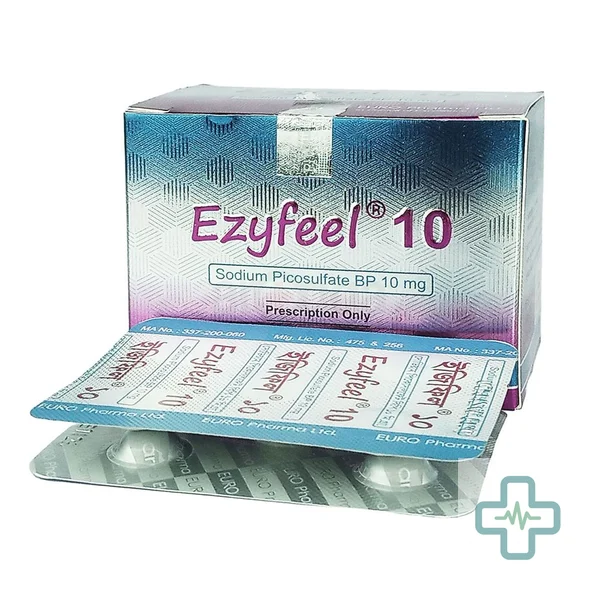
Ezyfeel 10 mg Tablet
Sodium Picosulfate
Euro Pharma Ltd.
Ezyfix 10 mg Tablet
Sodium Picosulfate
DBL Pharmaceuticals Limited
Ezygo 100 mg/100 ml Oral Solution
Sodium Picosulfate
Ibn Sina Pharmaceutical Ind. Ltd.
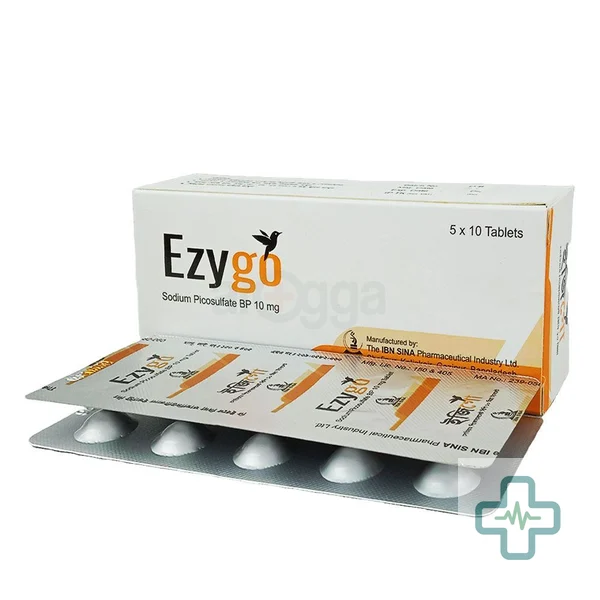
Ezygo 10 mg Tablet
Sodium Picosulfate
Ibn Sina Pharmaceutical Ind. Ltd.
Ezyiow Tablet 10 mg
Sodium Picosulfate
Monicopharma Limited
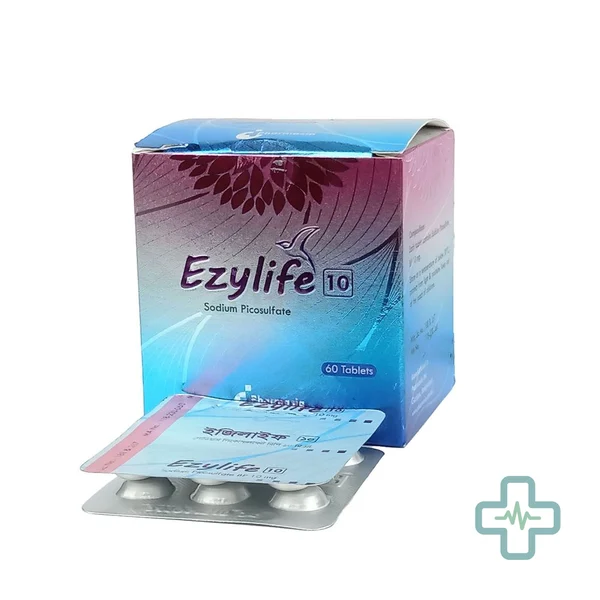
Ezylife 10 mg Tablet
Sodium Picosulfate
Pharmasia Ltd.
All Sodium Picosulfate brands (78)
- Abdolax 10 mg Tablet
- Abdolax 100 mg/100 ml Oral Solution
- Abdolax Max 750 mg/100 ml Oral Solution
- Befree Oral Solution 100 mg/100 ml
- Befree Tablet 10 mg
- Clenopiq 10 mg Tablet
- Clenopiq 100 mg/100 ml Oral Solution
- Clenpic 10 mg Tablet
- Clenpic 100 mg/100 ml Oral Solution
- Conlief 10 Tablet
- Easy Bowel 10 mg Tablet
- Easylet 10 mg Tablet
- Easylet Oral Solution 100 mg/100 ml
- Easyrest 10 mg Tablet
- Exylow Oral Solution 100 mg/100 ml
- Ezyfast 10 mg Tablet
- Ezyfast Oral Solution 100 mg/100 ml
- Ezyfeel 10 mg Tablet
- Ezyfeel 100 mg/100 ml Oral Solution
- Ezyfix 10 mg Tablet
- Ezygo 10 mg Tablet
- Ezygo 100 mg/100 ml Oral Solution
- Ezyiow Tablet 10 mg
- Ezylife 10 mg Tablet
- Ezylife Max 750 mg/100 ml Oral Solution
- Ezylife Oral Solution 100 mg/100 ml
- Ezymotion 10 mg Tablet
- Ezyout 10 mg Tablet
- Ezytake 10 mg Tablet
- Ezytake Oral Solution 100 mg/100 ml
- Ezytor 10 mg Tablet
- Free Life 10 mg Tablet
- Free Life Syrup 100 mg/100 ml Oral Solution
- G-Picosulfate 100 mg/100 ml Oral Solution
- Laxante 10 mg Tablet
- Laxante 5 100 mg/100 ml Oral Solution
- Laxjoy 10 Tablet
- Laxjoy Oral Solution 100 mg/100 ml
- Laxocon 10 mg Tablet
- LAXOCON 100 mg/100 ml Oral Solution
- Laxofit 10 mg Tablet
- Laxofit 50 100 mg/100 ml Oral Solution
- Laxopic 10 mg Tablet
- Laxopic 100 mg/100 ml Oral Solution
- Lexicare 100 mg/100 ml Oral Solution
- Napilax 10 mg Tablet
- Napilax 100 mg/100 ml Oral Solution
- Oral solution 100 mg/100 ml
- Picaso 10 mg Tablet
- Picaso Solution 100 mg/100 ml Oral Solution
- Pico Solution 100 mg/100 ml Oral Solution
- Pico Tablet 10 mg
- Picodin 10 mg Tablet
- PICOFIT 10 mg Tablet
- PICOFIT 100 mg/100 ml Oral Solution
- Picolax 10 mg Tablet
- Picolax Oral Solution 100 mg/100 ml
- Picolife 10 mg Tablet
- Picolon 10 mg Tablet
- Picolon Solution 100 mg/100 ml Oral Solution
- Picoplus 10 mg Tablet
- Picoplus Oral solution 100 mg/100 ml
- Picoral 10 mg Tablet
- Picoral 100 mg/100 ml Oral Solution
- Picorif Oral Solution 100 mg/100 ml
- Picorif Tablet 10 mg
- picosalin 10 mg Tablet
- Picosul 10 mg Tablet
- Picosul 100 mg/100 ml Oral Solution
- Pikos 10 mg Tablet
- Pikos 100 mg/100 ml Oral Solution
- Sodipic FC Tablet 10 mg
- Sodipic Oral Solution 100 mg/100 ml
- Sopilax 10 mg Tablet
- Sopilax Oral Solution 100 mg/100 ml
- Sopiver 10 mg Tablet
- Splac 100 mg/100 ml Oral Solution
- Splac Tablet 10 mg
What is Sodium Picosulfate?
Sodium Picosulfate is a stimulant laxative medicine available in Bangladesh under many brand names. Below are its uses, side effects and precautions — and every brand with its current price.
What is Sodium Picosulfate used for?
Sodium Picosulfate is indicated for:
- Short-term constipation — when lifestyle measures and gentler laxatives have not worked, or quick overnight relief is needed
- Constipation with painful anal conditions — to avoid straining with fissures or piles, per doctor's advice
- Bowel preparation — in combination products, to empty the colon before colonoscopy, imaging or surgery under medical supervision
It is a rescue option, not a daily habit. If constipation keeps returning, a registered doctor should look for the underlying cause instead of repeated stimulant laxative use.
Side Effects
Possible side effects of Sodium Picosulfate:
- Common: abdominal cramps, gurgling, diarrhoea, nausea
- Less common: dizziness or faintness around bowel movements, vomiting
- With overuse or prolonged use: fluid loss and dehydration, low potassium and other electrolyte disturbances, dependence on laxatives with worsening bowel sluggishness
Stop the medicine and see a doctor if you get severe abdominal pain, persistent diarrhoea, blood in the stool, muscle weakness or palpitations — the latter two can signal potassium loss, which matters especially for heart patients.
Precautions & Warnings
Precautions with Sodium Picosulfate:
- Short-term only: regular use trains the bowel to depend on stimulation; limit to days, not weeks
- Rule out serious causes first if constipation is new, severe, or alternates with diarrhoea
- Maintain fluid intake; elderly patients are more prone to dehydration and electrolyte upset
- Caution in patients on diuretics, corticosteroids or digoxin, where potassium shifts are riskier
- If there is no bowel movement after 2-3 nights of use, do not keep increasing the dose — consult a doctor
- Address fibre, fluids and activity so the laxative can be stopped
Drug Interactions
Interactions of Sodium Picosulfate to keep in mind:
- Diuretics and corticosteroids: combined potassium loss increases the risk of electrolyte imbalance
- Digoxin: low potassium from laxative overuse heightens digoxin toxicity risk
- Broad-spectrum antibiotics: may kill the colonic bacteria that activate sodium picosulfate, reducing its effect
- Other laxatives: stacking them multiplies cramps, diarrhoea and fluid loss
Tell your doctor and pharmacist about all your medicines, especially heart medicines and recent antibiotic courses, before using Sodium Picosulfate.
Contraindications
Sodium Picosulfate must not be used in:
- Known hypersensitivity to sodium picosulfate or any component of the
- Intestinal obstruction or ileus
- Acute abdominal emergencies — appendicitis, acute inflammatory bowel disease, severe undiagnosed abdominal pain with nausea and vomiting
- Severe dehydration or significant electrolyte disturbance
Stimulant laxatives in these situations can cause perforation or dangerous fluid shifts. Children should receive it only on a doctor's prescription. If you are unsure whether it is safe for you, ask a registered doctor first.
Pregnancy & Lactation
Pregnancy: Sodium picosulfate is poorly absorbed and has not been linked to birth defects, but stimulant laxatives are generally reserved for occasional use in pregnancy after fibre, fluids and gentler options such as lactulose have failed — and only on a doctor's advice. Avoid regular use, which can cause fluid and electrolyte loss.
Lactation: Neither sodium picosulfate nor its active metabolite appears in breast milk in meaningful amounts, so occasional doses are generally considered compatible with breastfeeding. Persistent constipation while nursing should still be discussed with a doctor rather than managed with repeated stimulant laxatives.
Storage
Store below 30°C in a dry place, protected from light. Keep oral drops tightly capped and use within the period stated on the label after opening; keep tablets in their original blister. Keep out of the reach and sight of children — accidental ingestion can cause severe diarrhoea and dehydration in a child. Do not use after the expiry date.
Frequently asked questions about Sodium Picosulfate
Why is Sodium Picosulfate recommended only for short-term use?
Sodium Picosulfate is a stimulant laxative — it forces the bowel muscles to contract. Used daily for long periods, the bowel can become dependent on that stimulation and increasingly sluggish without it, while repeated watery stools drain fluids and potassium. That is why it is limited to short courses (generally up to about a week) unless a doctor specifically directs otherwise. For long-term constipation, doctors prefer fibre, osmotic laxatives like lactulose, and treating the underlying cause.
What is the difference between Sodium Picosulfate and lactulose for constipation?
Sodium Picosulfate (sodium picosulfate) is a stimulant laxative: it triggers bowel contractions and works within 6-12 hours, suiting short-term rescue use. Lactulose is an osmotic laxative: it draws water into the stool, takes 1-2 days, and is gentler — often preferred for chronic constipation, pregnancy and long-term use under medical guidance. Doctors sometimes use a stimulant briefly to clear the bowel, then maintain regularity with an osmotic agent and lifestyle changes.
General information about Sodium Picosulfate, written from a shared template for every medicine with this ingredient by the ChamberBD content team. This page has not been individually reviewed by a clinician and does not replace a doctor's advice — always follow your doctor's prescription.