
Generic
Rupatadine
Brand medicines containing Rupatadine available in Bangladesh — compare prices, strengths and manufacturers.
Rupatadine brands in Bangladesh
Showing 1–24 of 72 medicines
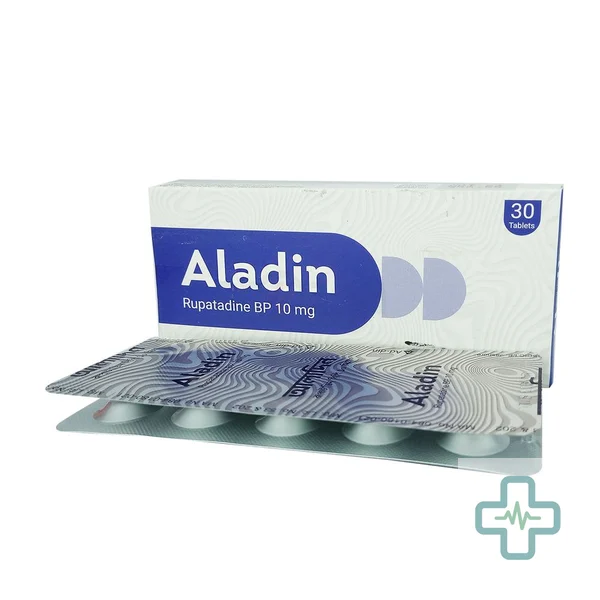
Aladin 10 mg Tablet
Rupatadine
Ad-din Pharmaceuticals Ltd.
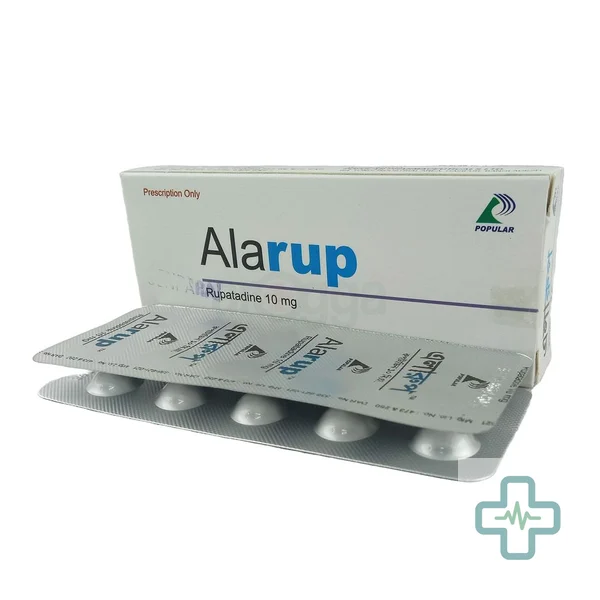
Alarup 10 mg Tablet
Rupatadine
Popular Pharmaceuticals PLC
Alarup Oral Solution 100 mg/100 ml
Rupatadine
Popular Pharmaceuticals PLC
Citra-10 mg Tablet
Rupatadine
APC Pharma Limited
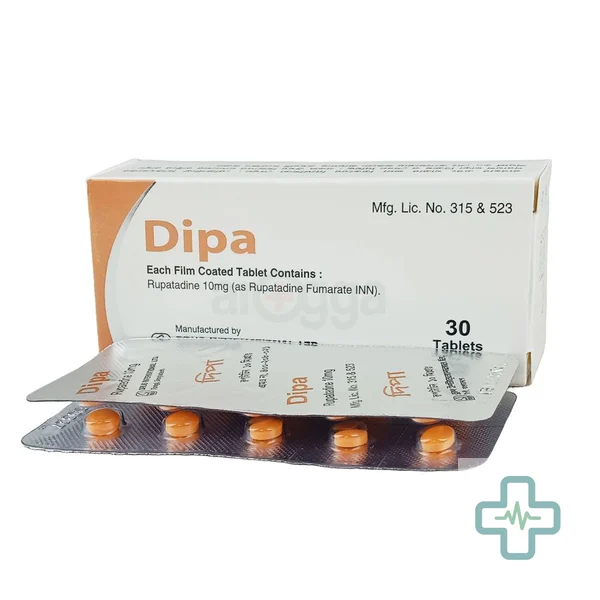
Dipa 10 mg Tablet
Rupatadine
Drug International Ltd.
Dipa 100 mg/100 ml Oral Solution
Rupatadine
Drug International Ltd.
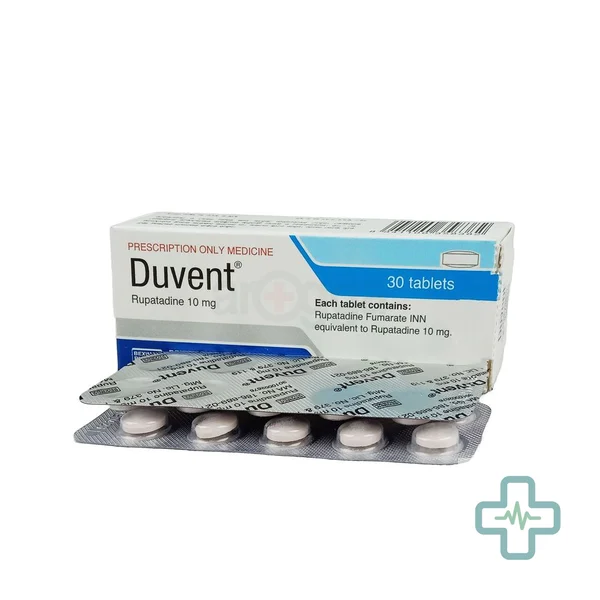
Duvent 10 mg Tablet
Rupatadine
Beximco Pharmaceuticals Ltd.
Duvent 100 mg/100 ml Oral Solution
Rupatadine
Beximco Pharmaceuticals Ltd.
Exalin OS 100 mg/100 ml Oral Solution
Rupatadine
OSL Pharma Ltd.
Largix 100 mg/100 ml Oral Solution
Rupatadine
Advanced Chemical Industries Limited
Lerupa 10 mg Tablet
Rupatadine
Apex Pharma Ltd.
Minista 10 mg Tablet
Rupatadine
Radiant Pharmaceuticals Ltd.
Monarupa 10 mg Tablet
Rupatadine
Amico Laboratories Ltd.
Myrupa 10 mg Tablet
Rupatadine
Mystic Pharmaceuticals Ltd.
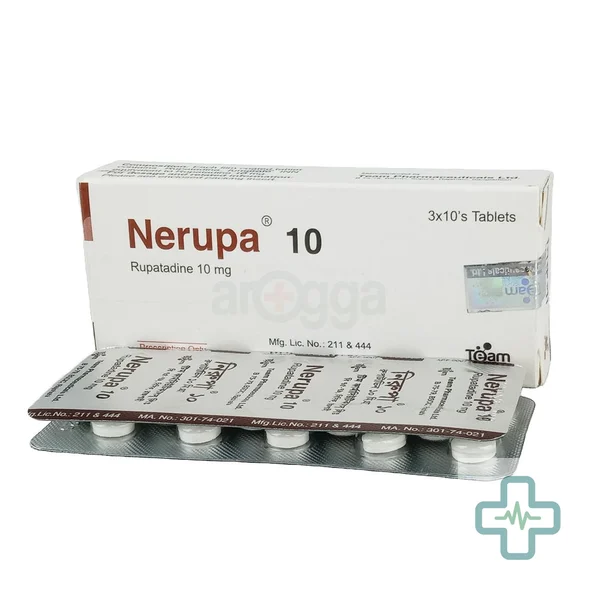
Nerupa 10 mg Tablet
Rupatadine
Team Pharmaceuticals Ltd.
Nerupa Syrup 100 mg/100 ml Oral Solution
Rupatadine
Team Pharmaceuticals Ltd.
Orup Tablet 10 mg
Rupatadine
Chemist Laboratories Ltd.
Oruyp Syrup 100 mg/100 ml Oral Solution
Rupatadine
Chemist Laboratories Ltd.
Paftrol 10 mg Tablet
Rupatadine
Navana Pharmaceuticals Ltd.
Paftrol 100 mg/100 ml Oral Solution
Rupatadine
Navana Pharmaceuticals Ltd.
Rinela 10 mg Tablet
Rupatadine
One Pharma Ltd.
Rosela 10 mg Tablet
Rupatadine
Healthcare Pharmaceuticals Ltd.
Rosela Syrup 5 mg/5 ml 100 mg/100 ml Oral Solution
Rupatadine
Healthcare Pharmaceuticals Ltd.
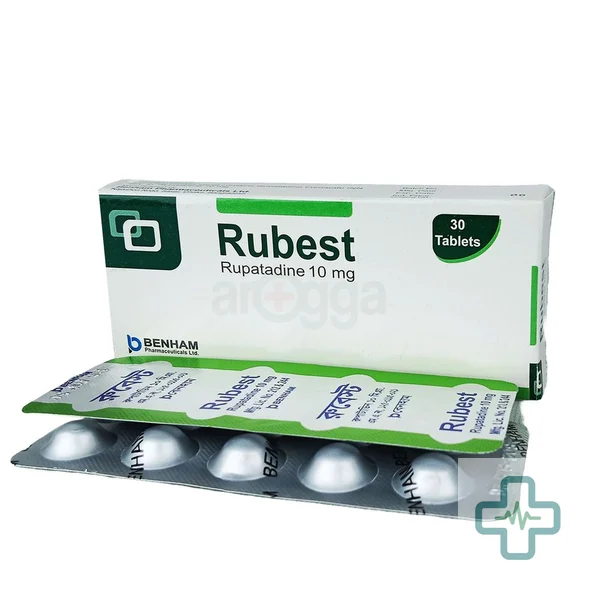
Rubest 10 mg Tablet
Rupatadine
Benham Pharmaceuticals Ltd.
All Rupatadine brands (72)
- Aladin 10 mg Tablet
- Alarup 10 mg Tablet
- Alarup Oral Solution 100 mg/100 ml
- Citra-10 mg Tablet
- Dipa 10 mg Tablet
- Dipa 100 mg/100 ml Oral Solution
- Duvent 10 mg Tablet
- Duvent 100 mg/100 ml Oral Solution
- Exalin OS 100 mg/100 ml Oral Solution
- Largix 100 mg/100 ml Oral Solution
- Lerupa 10 mg Tablet
- Minista 10 mg Tablet
- Monarupa 10 mg Tablet
- Myrupa 10 mg Tablet
- Nerupa 10 mg Tablet
- Nerupa Syrup 100 mg/100 ml Oral Solution
- Orup Tablet 10 mg
- Oruyp Syrup 100 mg/100 ml Oral Solution
- Paftrol 10 mg Tablet
- Paftrol 100 mg/100 ml Oral Solution
- Rinela 10 mg Tablet
- Rosela 10 mg Tablet
- Rosela Syrup 5 mg/5 ml 100 mg/100 ml Oral Solution
- Rubest 10 mg Tablet
- Rufast 10 mg Tablet
- Rufast 100 mg/100 ml Oral Solution
- Rufecta 10 mg Tablet
- Rufecta 100 mg/100 ml Oral Solution
- Rumar 10 mg Tablet
- Runar 10 mg Tablet
- Runi 10 mg Tablet
- Runi 100 mg/100 ml Oral Solution
- Rupa 10 mg Tablet
- Rupa 100 mg/100 ml Oral Solution
- Rupa-Aid 100 mg/100 ml Oral Solution
- Rupabest 10 mg Tablet
- Rupacent 10 mg Tablet
- Rupacid Tablet 10 mg
- Rupaday 10 mg Tablet
- Rupaday 100 mg/100 ml Oral Solution
- Rupafast 10 mg Tablet
- Rupafast 100 mg/100 ml Oral Solution
- Rupahist 10 mg Tablet
- Rupaler 100 mg/100 ml Oral Solution
- Rupali 10 mg Tablet
- Rupali Syrup 100 mg/100 ml Oral Solution
- Rupamax 10 Tablet
- Rupamax Oral Solution 100 mg/100 ml
- Rupamin 100 mg/100 ml Oral Solution
- Rupamine 10 mg Tablet
- Rupana 10 mg Tablet
- Rupana 100 mg/100 ml Oral Solution
- Rupanex 10 mg Tablet
- Rupanex 100 mg/100 ml Oral Solution
- Rupanil 10 mg Tablet
- Rupanil Syrup 100 mg/100 ml Oral Solution
- Rupaqure 10 mg Tablet
- Rupaset Tablet 10 mg
- Rupastar 10 mg Tablet
- Rupatadine 10 mg Tablet (Central)
- Rupatadine-10 mg Tablet (Premier)
- Rupatan 10 mg Tablet
- Rupatid 10 mg Tablet
- Rupatrol 10 mg Tablet
- Rupaver 10 mg Tablet
- Rupenta 10 mg Tablet
- Rupenta 100 mg/100 ml Oral Solution
- Rupin OS 100 mg/100 ml Oral Solution
- Rupita 10 mg Tablet
- Rupoma 10 mg Tablet
- Stark 10 mg Tablet
- Stark Oral Solution 100 mg/100 ml
What is Rupatadine?
Rupatadine is a second-generation antihistamine with paf-antagonist activity medicine available in Bangladesh under many brand names. Below are its uses, side effects and precautions — and every brand with its current price.
What is Rupatadine used for?
Rupatadine is prescribed for:
- Allergic rhinitis — seasonal and perennial (year-round) allergy with sneezing, runny nose, nasal itching, blocked nose and eye symptoms
- Urticaria (hives) — including chronic idiopathic urticaria with itching and wheals
- Other allergic conditions where the doctor finds an antihistamine with anti-PAF action useful
It is suitable for adults and adolescents, and in some preparations for children, as decided by the physician.
Side Effects
Most people tolerate Rupatadine well. Possible side effects include:
- Drowsiness or sleepiness (usually mild), headache, dizziness
- Tiredness, weakness
- Dry mouth
- Increased appetite, nausea or stomach discomfort (less common)
- Rarely: palpitations, fast heartbeat, rash or raised liver enzymes
If you develop severe allergic symptoms — widespread rash, swelling of the face or throat, or difficulty breathing — stop Rupatadine and seek medical care immediately.
Precautions & Warnings
- Avoid grapefruit and grapefruit juice — it can significantly increase rupatadine levels in the blood.
- Tell your doctor if you have heart disease, a known long QT interval, very slow heart rate, or low blood potassium — caution is needed.
- Use carefully in kidney or liver impairment; your doctor may prefer an alternative.
- See how Rupatadine affects you before driving or operating machinery, as some people feel drowsy.
- Avoid alcohol, which can increase sleepiness.
- Elderly patients should use it under medical supervision.
Drug Interactions
Important interactions of Rupatadine include:
- Ketoconazole and erythromycin — these markedly increase rupatadine blood levels; avoid the combination unless the doctor advises.
- Grapefruit juice — raises drug levels; avoid completely during treatment.
- Alcohol and CNS depressants (sleeping pills, sedatives) — may add to drowsiness.
- Other CYP3A4 inhibitors (some antifungals and antibiotics) — tell your doctor about every medicine you take.
Always inform your doctor or pharmacist of your full medicine list before starting Rupatadine.
Contraindications
- Known hypersensitivity to Rupatadine or any component of the preparation
- Concurrent use with ketoconazole or erythromycin should be avoided
- Use with caution, only on medical advice, in patients with significant heart rhythm problems (QT prolongation), uncorrected low potassium, or severe liver/kidney disease
- Not recommended for children below the approved age for the specific formulation
Pregnancy & Lactation
Data on Rupatadine use in human pregnancy are limited, so it is best avoided during pregnancy unless the doctor decides the benefit clearly outweighs the risk. It is not known with certainty how much passes into breast milk; breastfeeding mothers should consult their doctor, who may recommend a better-studied antihistamine instead. Never start or continue Rupatadine in pregnancy or breastfeeding without medical advice.
Storage
Store Rupatadine below 30°C in a dry place, away from direct light and moisture. Keep in the original packaging and out of the reach of children. Do not use beyond the expiry date on the pack.
Frequently asked questions about Rupatadine
Why should I avoid grapefruit juice with Rupatadine?
Grapefruit juice blocks the enzyme that breaks down rupatadine, so drinking it can make the level of Rupatadine in your blood rise several times higher than intended. This increases the chance of side effects such as drowsiness or palpitations. Avoid grapefruit and its juice completely while you are on this medicine.
Will Rupatadine make me sleepy?
Rupatadine is a second-generation antihistamine, so it causes far less drowsiness than older allergy medicines. Even so, some people do feel mildly sleepy or tired, especially in the first few days. Avoid driving until you know how it affects you, and do not combine it with alcohol or sleeping pills.
How is Rupatadine different from ordinary antihistamines?
Besides blocking histamine like other antihistamines, Rupatadine also blocks platelet-activating factor (PAF), a chemical involved in nasal blockage and allergic inflammation. This dual action may give better relief of a stuffy, congested nose along with sneezing and itching. Your doctor will decide whether this medicine suits your type of allergy.
General information about Rupatadine, written from a shared template for every medicine with this ingredient by the ChamberBD content team. This page has not been individually reviewed by a clinician and does not replace a doctor's advice — always follow your doctor's prescription.