
Generic
Quetiapine
Brand medicines containing Quetiapine available in Bangladesh — compare prices, strengths and manufacturers.
Quetiapine brands in Bangladesh
Showing 1–24 of 72 medicines
Anxipine 25 mg Tablet
Quetiapine
Army Pharma Limited
Placidin 200 mg Tablet
Quetiapine
General Pharmaceuticals Ltd.
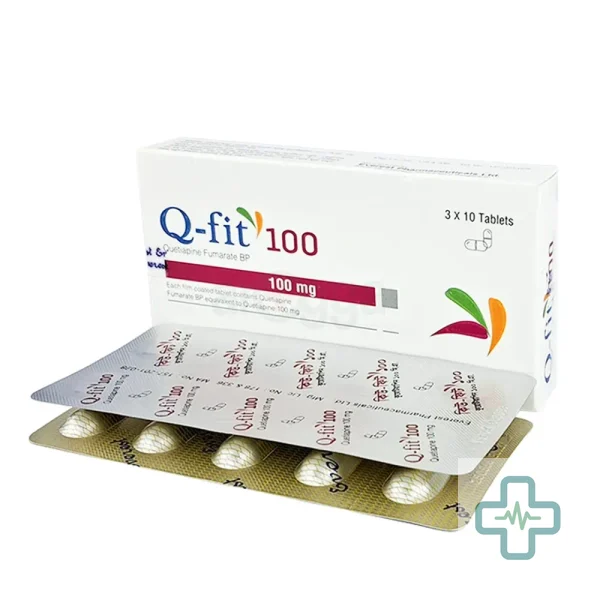
Q-Fit 100 mg Tablet
Quetiapine
Everest Pharmaceuticals Ltd.
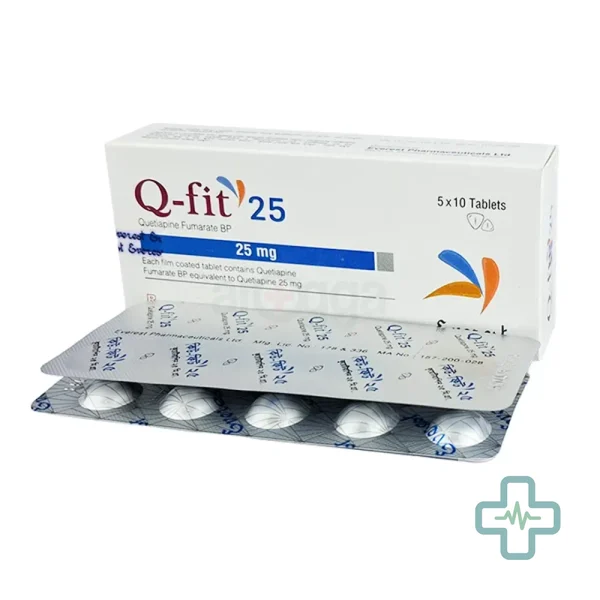
Q-Fit 25 mg Tablet
Quetiapine
Everest Pharmaceuticals Ltd.
Q-Fit XR 50 mg Xr Tablet
Quetiapine
Everest Pharmaceuticals Ltd.
Qmax 50 mg Xr Tablet
Quetiapine
Avarox Pharmaceuticals Ltd.
Qmax 100 mg Tablet
Quetiapine
Advanced Chemical Industries Limited
Qmax 200 mg Xr Tablet
Quetiapine
Advanced Chemical Industries Limited
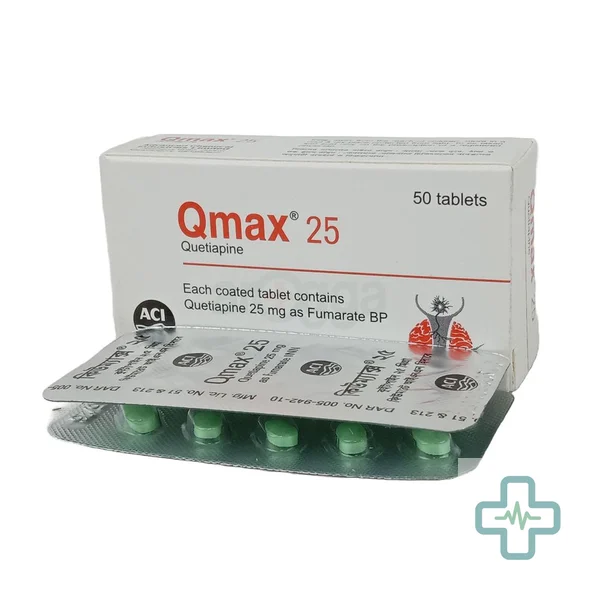
Qmax 25 mg Tablet
Quetiapine
Advanced Chemical Industries Limited
Qmax Xr 200 mg Tablet
Quetiapine
Avarox Pharmaceuticals Ltd.
Qmax Xr 300 mg Tablet
Quetiapine
Avarox Pharmaceuticals Ltd.
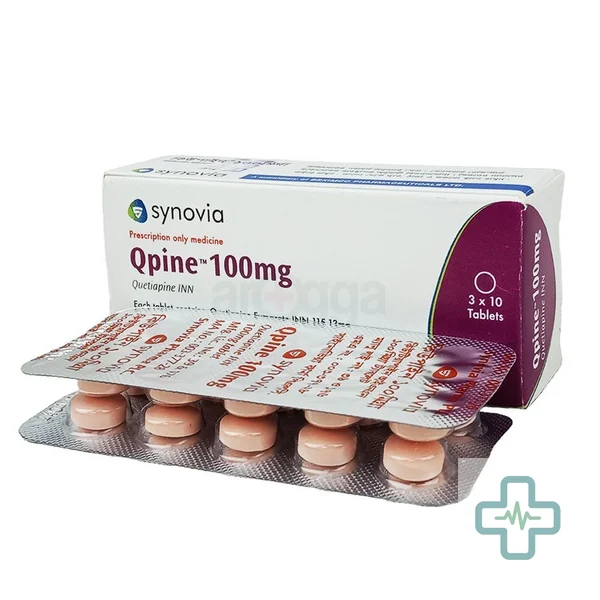
Qpine 100 mg Tablet
Quetiapine
Synovia Pharma PLC.
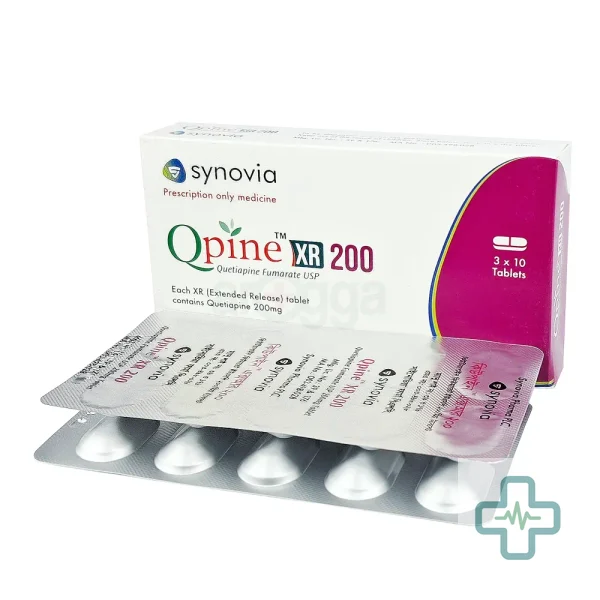
Qpine XR 200 mg Tablet
Quetiapine
Synovia Pharma PLC.
Qpine XR 300mg Tablet
Quetiapine
Synovia Pharma PLC.
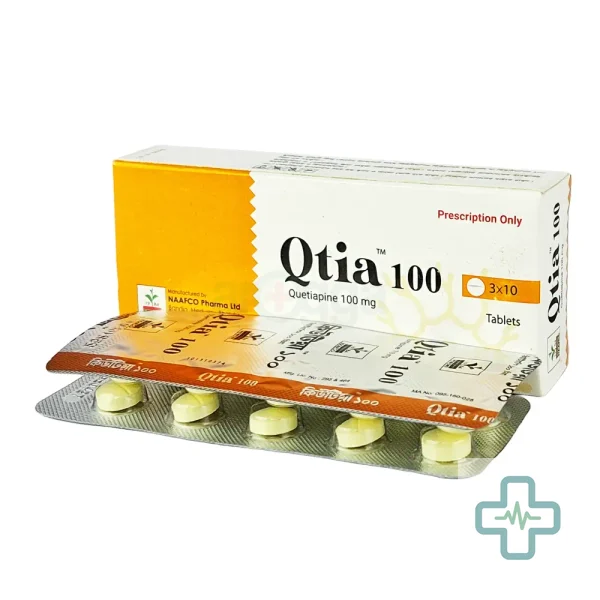
Qtia 100 mg Tablet
Quetiapine
Naafco Pharma Ltd.
Qtia 25 mg Tablet
Quetiapine
Naafco Pharma Ltd.
QTP 50 XR Tablet
Quetiapine
Square Pharmaceuticals PLC, Gazipur
Queptam 100 mg Tablet
Quetiapine
Genvio Pharma Ltd.
Queptam 25 mg Tablet
Quetiapine
Genvio Pharma Ltd.
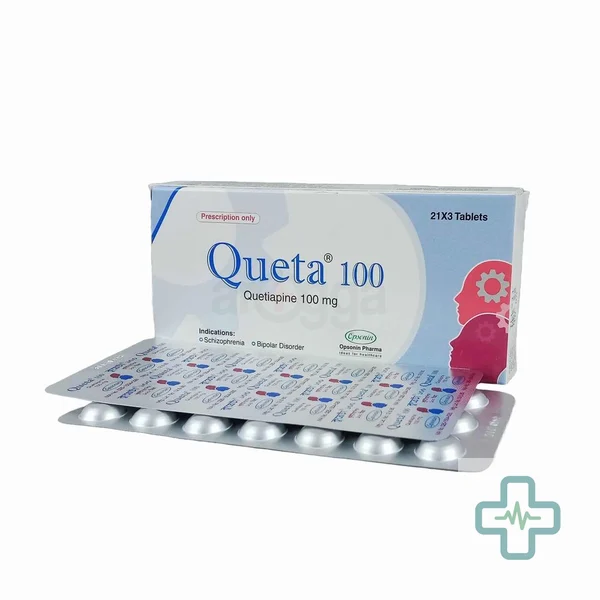
QUETA 100 mg Tablet
Quetiapine
Opsonin Pharma Limited
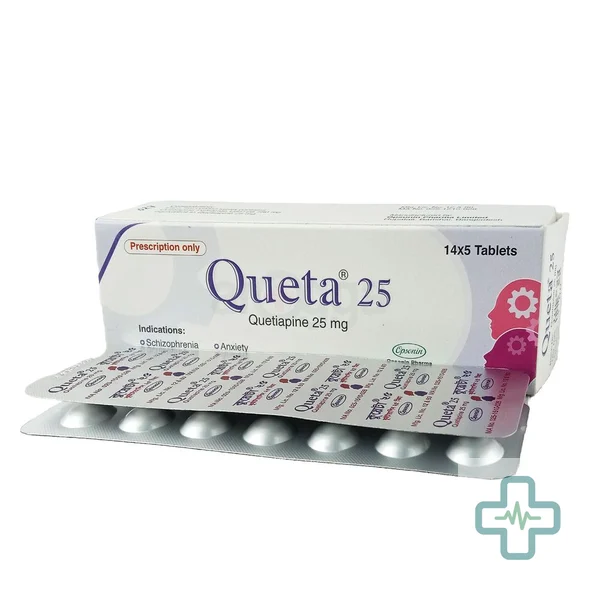
Queta 25 mg Tablet
Quetiapine
Opsonin Pharma Limited
QUETA XR 200 mg Tablet
Quetiapine
Opsonin Pharma Limited
Queta XR 300 mg Tablet
Quetiapine
Opsonin Pharma Limited
Queta Xr 400 mg Xr Tablet
Quetiapine
Opsonin Pharma Limited
All Quetiapine brands (72)
- Anxipine 25 mg Tablet
- Placidin 200 mg Tablet
- Q-Fit 100 mg Tablet
- Q-Fit 25 mg Tablet
- Q-Fit XR 50 mg Xr Tablet
- Qmax 100 mg Tablet
- Qmax 200 mg Xr Tablet
- Qmax 25 mg Tablet
- Qmax 50 mg Xr Tablet
- Qmax Xr 200 mg Tablet
- Qmax Xr 300 mg Tablet
- Qpine 100 mg Tablet
- Qpine XR 200 mg Tablet
- Qpine XR 300mg Tablet
- Qtia 100 mg Tablet
- Qtia 25 mg Tablet
- QTP 50 XR Tablet
- Queptam 100 mg Tablet
- Queptam 25 mg Tablet
- QUETA 100 mg Tablet
- Queta 25 mg Tablet
- QUETA XR 200 mg Tablet
- Queta XR 300 mg Tablet
- Queta Xr 400 mg Xr Tablet
- Quetimax 25 mg Tablet
- Quetinil 25 mg Tablet
- Quetinil XR 200 mg Xr Tablet
- Quetinil XR 50 mg Xr Tablet
- Quetinil-300 mg Tablet
- QUETOLEX 100 mg Tablet
- quetolex 25 mg Tablet
- Quiet 100 mg Tablet
- Quiet 200 XR Tablet
- Quiet 300 XR Tablet
- Qutanex 100 mg Tablet
- Qutanex 25 mg Tablet
- Qutap 100 mg Tablet
- Qutap 25 mg Tablet
- Qutipin 100 100 mg Tablet
- Qutipin 100 mg Tablet
- Qutipin 25 25 mg Tablet
- Qutipin 25 mg Tablet
- Qutipin SR 200 mg Tablet
- Qutipin SR 200 mg Xr Tablet
- Qutipin SR 300 mg Tablet
- Qutipin SR 50 mg Xr Tablet
- Renapine 100 mg Tablet
- Renapine 200 XR Extended Relea Xr Tablet
- Renapine 25 mg Tablet
- Renapine 50 XR Extended Releas Xr Tablet
- Renapine XR-400 mg Xr Tablet
- Renapine-300 XR Tablet
- Seropine 100 mg Tablet
- Seropine 25 mg Tablet
- Seroprex 100 mg Tablet
- Seroprex 25 mg Tablet
- Seroquet 100 mg Tablet
- Seroquet 25 mg Tablet
- Seroquet ER 50 mg Xr Tablet
- Sizofree 100 mg Tablet
- Sizofree 25 mg Tablet
- Tiapine 200 XR Tablet
- Tiapine 25 mg Tablet
- Tiapine 300 XR Tablet
- Tiapine 400 XR Tablet
- Tiapine 50 XR Tablet
- Toliken 25 mg Tablet
- Tolken 100 mg Tablet
- Uropine 100 mg Tablet
- Uropine 200 XR Tablet
- Uropine 25 mg Tablet
- Uropine 50 XR Tablet
What is Quetiapine?
Quetiapine is a atypical (second-generation) antipsychotic medicine available in Bangladesh under many brand names. Below are its uses, side effects and precautions — and every brand with its current price.
What is Quetiapine used for?
Specialists prescribe Quetiapine for:
- Schizophrenia — to treat hallucinations, delusions and disorganised thinking, and to prevent relapse
- Bipolar disorder — manic episodes, bipolar depression and long-term mood stabilisation
- Major depressive disorder — as an add-on to an antidepressant when the response is inadequate (specialist decision)
- Occasionally, severe anxiety or agitation in selected patients under psychiatric supervision
Quetiapine should not be used casually as a sleeping pill. Sedation is a side effect, not a licence for self-medication, and unsupervised use exposes people to weight gain, blood-sugar problems and other avoidable risks.
Side Effects
Side effects to know about:
- Common: drowsiness (often marked), dizziness, dry mouth, constipation, increased appetite, weight gain, a drop in blood pressure on standing
- Metabolic: raised blood sugar, cholesterol and triglycerides over months — the reason periodic blood tests are essential
- Less common: restlessness, tremor, blurred vision, rapid heartbeat, vivid dreams
- Serious (urgent care): high fever with rigid muscles and confusion (neuroleptic malignant syndrome), new involuntary face or tongue movements, fainting, signs of very high blood sugar (excessive thirst and urination), severe allergic reaction, worsening mood with self-harm thoughts
Attend every scheduled review so weight, sugar and lipids can be tracked.
Precautions & Warnings
Precautions during Quetiapine treatment:
- Expect sedation — avoid driving and hazardous work until your response is clear, and take the dose at night as advised
- Metabolic monitoring is mandatory: weight, waist, blood sugar and lipids at baseline and periodically; maintain diet and physical activity from the start
- Rise slowly from lying or sitting to avoid dizziness and falls
- Avoid alcohol and unprescribed sedatives
- Elderly people with dementia-related psychosis face increased risks with antipsychotics — use only under specialist judgement
- Tell your doctor about heart disease, low blood pressure, seizures, liver problems, diabetes or cataracts
- Avoid overheating and dehydration in hot weather
- Never stop the medicine abruptly
Drug Interactions
Key interactions of Quetiapine:
- Strong CYP3A4 inhibitors — ketoconazole, itraconazole, erythromycin, clarithromycin and some antivirals can sharply raise quetiapine levels; such combinations need avoidance or dose changes
- Enzyme inducers — carbamazepine, phenytoin and rifampicin can sharply lower its levels and reduce the effect
- Sedatives and alcohol — additive drowsiness and risk of suppressed breathing
- Blood-pressure medicines — may exaggerate pressure drops on standing
- Other QT-prolonging drugs — additive heart-rhythm risk
- Dopamine-acting drugs (such as levodopa) — mutual interference
Always disclose every medicine — including antibiotics and antifungals started by other doctors — to whoever prescribes Quetiapine.
Contraindications
Quetiapine should not be used in:
- Known allergy to quetiapine or any component of the tablet
- Concurrent use of strong CYP3A4-inhibiting medicines, unless the prescriber specifically manages the combination
- Children and adolescents outside specialist indications and supervision
It requires particular caution — specialist assessment, careful dosing and monitoring — in elderly patients (especially with dementia-related behaviour problems, where antipsychotics increase the risk of stroke and death), in severe heart or liver disease, uncontrolled epilepsy, very low blood pressure, untreated diabetes, and in anyone with a history of neuroleptic malignant syndrome or a severe drug-induced movement disorder.
Pregnancy & Lactation
Pregnancy: Untreated psychosis or bipolar disorder during pregnancy is itself dangerous, so the decision to continue or adjust Quetiapine belongs to the psychiatrist and obstetrician together. Babies exposed in the third trimester may show temporary symptoms after birth — tremor, stiffness or floppiness, sleepiness, feeding or breathing difficulty — so the delivery team must be informed. Never stop the medicine abruptly on learning of pregnancy.
Breastfeeding: Quetiapine passes into breast milk in small amounts. Some mothers breastfeed during treatment under medical supervision, with monitoring of the baby for sedation and feeding problems; the choice depends on the dose, the baby's health and available support. Decide together with your doctor.
Storage
Store Quetiapine below 30°C in its original pack, away from light, heat and moisture. Keep it strictly out of the reach of children — even a single tablet can heavily sedate a child — and away from anyone who might misuse it for sleep. Maintain a steady supply so doses are never missed, and carry enough medicine when travelling. Do not use tablets beyond their expiry date or ones that look damaged, and dispose of leftover medicine safely rather than keeping or sharing it.
Frequently asked questions about Quetiapine
Does Quetiapine cause weight gain or diabetes?
It can. Quetiapine often increases appetite and weight, and over months it can raise blood sugar, cholesterol and triglycerides — in some people enough to contribute to diabetes. This risk is managed, not ignored: your doctor should check weight, waist, blood sugar and lipids before starting and periodically afterwards, and you should begin healthy eating and regular physical activity from day one. Report excessive thirst, frequent urination or rapid weight gain promptly. For many patients the mental-health benefit outweighs the risk when monitoring is done properly.
General information about Quetiapine, written from a shared template for every medicine with this ingredient by the ChamberBD content team. This page has not been individually reviewed by a clinician and does not replace a doctor's advice — always follow your doctor's prescription.