
Generic
Pregabalin
Brand medicines containing Pregabalin available in Bangladesh — compare prices, strengths and manufacturers.
Pregabalin brands in Bangladesh
Showing 1–24 of 256 medicines

AGP 75 mg Capsule
Pregabalin
Novo Healthcare and Pharma Ltd.
Algaba 150 mg Capsule
Pregabalin
Al-Madina Pharmaceuticals Ltd.
Algaba 50 mg Capsule
Pregabalin
Al-Madina Pharmaceuticals Ltd.
Algaba 75 mg Capsule
Pregabalin
Al-Madina Pharmaceuticals Ltd.

Asibalin 50 mg Capsule
Pregabalin
Asiatic Laboratories Ltd.

Asibalin 75 mg Capsule
Pregabalin
Asiatic Laboratories Ltd.

Asibalin25 25 mg Capsule
Pregabalin
Asiatic Laboratories Ltd.
Belpriga 25 mg Capsule
Pregabalin
Belsen Pharmaceuticals Ltd.
Belpriga 50 mg Capsule
Pregabalin
Belsen Pharmaceuticals Ltd.
Belpriga 75 mg Capsule
Pregabalin
Belsen Pharmaceuticals Ltd.
Broklin CR 165 mg Cr Tablet
Pregabalin
One Pharma Ltd.
Broklin CR 330 mg Cr Tablet
Pregabalin
One Pharma Ltd.
Broklin CR 82.5 mg Cr Tablet
Pregabalin
One Pharma Ltd.
Egaba 100 mg Capsule
Pregabalin
Euro Pharma Ltd.
Egaba 150 mg Capsule
Pregabalin
Euro Pharma Ltd.
Egaba 25 mg Capsule
Pregabalin
Euro Pharma Ltd.
Egaba 50 mg Capsule
Pregabalin
Euro Pharma Ltd.
Egaba 75 mg Capsule
Pregabalin
Euro Pharma Ltd.
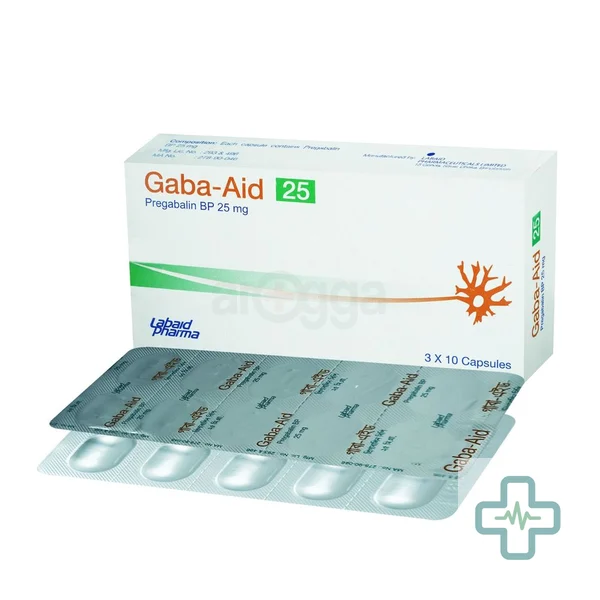
Gaba-Aid 25 mg Capsule
Pregabalin
Labaid Pharmaceuticals Ltd.
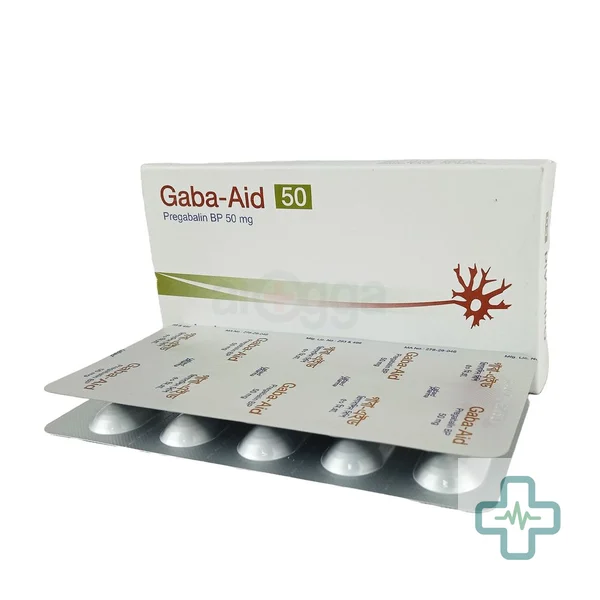
Gaba-Aid 50 mg Capsule
Pregabalin
Labaid Pharmaceuticals Ltd.
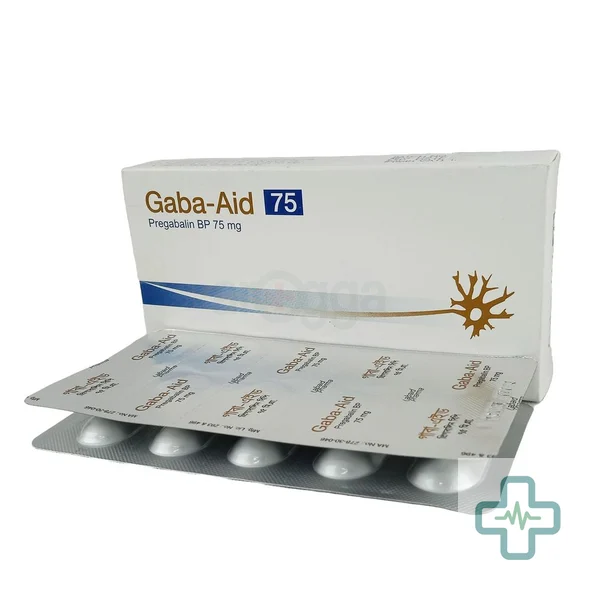
Gaba-Aid 75 mg Capsule
Pregabalin
Labaid Pharmaceuticals Ltd.
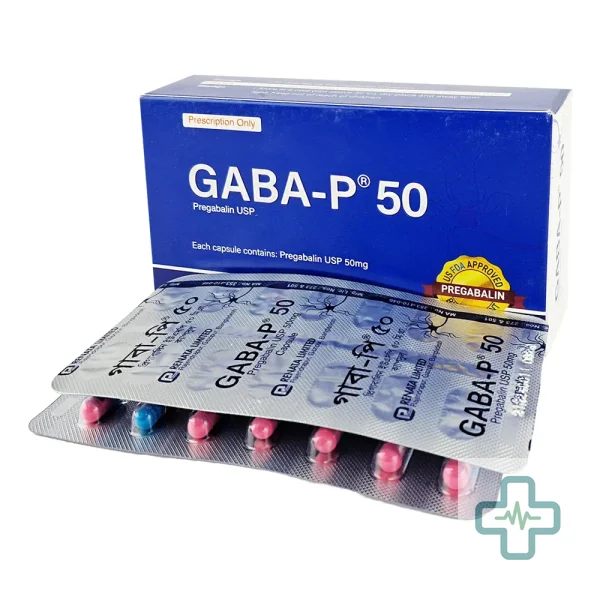
Gaba-P 50 mg Capsule
Pregabalin
Renata PLC

GABA-P 100 mg Capsule
Pregabalin
Renata PLC
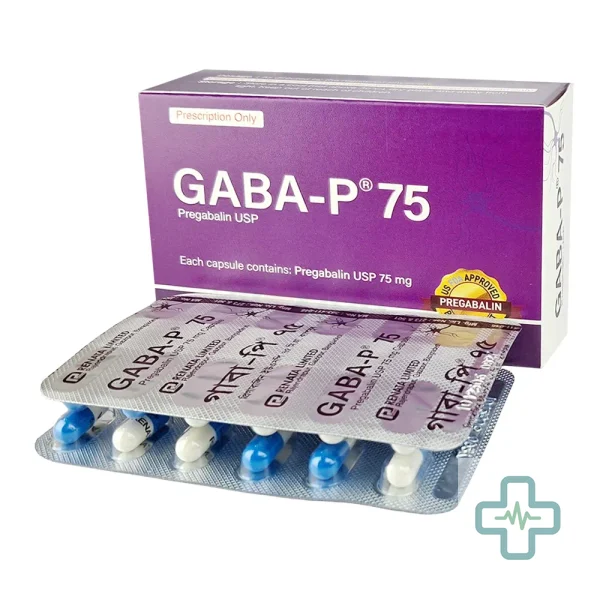
GABA-P 75 mg Capsule
Pregabalin
Renata PLC
All Pregabalin brands (256)
- AGP 75 mg Capsule
- Algaba 150 mg Capsule
- Algaba 50 mg Capsule
- Algaba 75 mg Capsule
- Asibalin 50 mg Capsule
- Asibalin 75 mg Capsule
- Asibalin25 25 mg Capsule
- Belpriga 25 mg Capsule
- Belpriga 50 mg Capsule
- Belpriga 75 mg Capsule
- Broklin CR 165 mg Cr Tablet
- Broklin CR 330 mg Cr Tablet
- Broklin CR 82.5 mg Cr Tablet
- Egaba 100 mg Capsule
- Egaba 150 mg Capsule
- Egaba 25 mg Capsule
- Egaba 50 mg Capsule
- Egaba 75 mg Capsule
- Gaba-Aid 25 mg Capsule
- Gaba-Aid 50 mg Capsule
- Gaba-Aid 75 mg Capsule
- GABA-P 100 mg Capsule
- Gaba-P 25 mg Capsule
- Gaba-P 50 50 mg Capsule
- Gaba-P 50 mg Capsule
- Gaba-P 75 75 mg Capsule
- GABA-P 75 mg Capsule
- GABA-P CR 165 mg Cr Tablet
- Gaba-P CR 330 mg Cr Tablet
- Gaba-P CR 82.5 mg Cr Tablet
- Gabamet 100 mg Capsule
- Gabamet 150 mg Capsule
- Gabamet 75 mg Capsule
- Gabanil 150 mg Capsule
- Gabanil 50 mg Capsule
- Gabanil 75 mg Capsule
- Gabapre 25 mg Capsule
- Gabapre 50 mg Capsule
- Gabarol 100 mg Capsule
- Gabarol 150 mg Capsule
- Gabarol 50 mg Capsule
- Gabarol 75 mg Capsule
- Gabarol CR 165 Extended Releas Cr Tablet
- Gabarol CR 330 mg Cr Tablet
- Gabarol CR 82.5 Extended Relea Cr Tablet
- Gabatec ER 82.5 mg Cr Tablet
- Gana-P 50 mg Capsule
- GAPA-P 150 mg Capsule
- Juvlin 50 mg Capsule
- Juvlin 75 mg Capsule
- Legaba 25 mg Capsule
- Legaba-50 mg Capsule
- Legaba-75 mg Capsule
- Lirica 25 mg Capsule
- Lirica 300 mg Capsule
- Lirica 75 mg Capsule
- Lirica-50 mg Capsule
- Lyca 165 CR Tablet
- Lyca 330 CR Tablet
- Lyca 50 mg Capsule
- Lyca 75 mg Capsule
- Lyca 82.5 CR Tablet
- Lyric 150 mg Capsule
- Lyric 75 mg Capsule
- Lyrinex 50 mg Capsule
- Lyrinex 75 mg Capsule
- Lyrinex CR 165 mg Cr Tablet
- Lyrinex CR 82.5 mg Cr Tablet
- Lyroxen 25 mg Capsule
- Lyroxen 50 mg Capsule
- Lyroxen CR 165 mg Cr Tablet
- Lyroxen CR 82.5 mg Cr Tablet
- Myrica ER 16.5 165 mg Cr Tablet
- Myrica ER 82.5 mg Cr Tablet
- Myrica ER-330 mg Cr Tablet
- Myrica-100 mg Capsule
- MYRICA-25 mg Capsule
- Myrica-75 mg Capsule
- Nepco 100 mg Capsule
- Nepco 150 mg Capsule
- Nepco 25 mg Capsule
- Nepco 50 mg Capsule
- Nepco 75 mg Capsule
- Nepco CR 165 mg Cr Tablet
- Nepco CR 82.5 Tablet Cr Tablet
- Nepco SR 150 50 mg Sr Tablet
- Nerfid 150 mg Capsule
- Nerfid 50 mg Capsule
- Nerfid 75 mg Capsule
- Nerfid-25 mg Capsule
- Nervaid 50 mg Capsule
- Nervaid 75 mg Capsule
- Nervalin 25 mg Capsule
- Nervalin 50 mg Capsule
- Nervalin 75 mg Capsule
- Nervalin CR 165 mg Cr Tablet
- Nervalin CR 330 mg Cr Tablet
- Nervalin CR 82.5 mg Cr Tablet
- Nervalin Oral Solution 2 gm/100 ml
- Nervica 25 mg Capsule
- Nervica 50 mg Capsule
- Nervica 75 mg Capsule
- Neugaba 150 mg Capsule
- Neugaba 25 mg Capsule
- Neugaba 50 50 mg Capsule
- Neugaba 50 mg Capsule
- Neugaba 75 mg Capsule
- Neugalin 150 mg Capsule
- Neugalin 25 mg Capsule
- Neugalin 50 mg Capsule
- Neugalin 75 mg Capsule
- Neugalin XR 165 mg Cr Tablet
- Neugalin XR 82.5 mg Cr Tablet
- Neugera 100 mg Capsule
- Neurega 50 mg Capsule
- Neurega 75 mg Capsule
- Neurica 150 mg Capsule
- Neurica 50 mg Capsule
- Neurica 75 mg Capsule
- Neurogaba 150 mg Capsule
- Neurogaba 50 mg Capsule
- Neurogaba 75 mg Capsule
- Neurokem -75 capsul Capsule
- Neurokem-50 Capsul Capsule
- Neurolin 150 150 mg Capsule
- Neurolin 150 mg Capsule
- Neurolin 165 CR Tablet
- Neurolin 25 mg Capsule
- Neurolin 50 50 mg Capsule
- Neurolin 50 mg Capsule
- Neurolin 75 75 mg Capsule
- Neurolin 75 mg Capsule
- Neurolin 82.5 CR Tablet
- Neurovan 150 mg Capsule
- Neurovan 25 mg Capsule
- Neurovan 50 mg Capsule
- Neurovan 75 mg Capsule
- Nurela 50 mg Capsule
- Nurocap 50 mg Capsule
- Pegalin 100 mg Capsule
- Pegalin 25 mg Capsule
- Pegalin 50 mg Capsule
- Pegalin ER 165 mg Cr Tablet
- Pegalin ER 82.5 mg Cr Tablet
- Pegamax 50 mg Capsule
- Pegamax 75 mg Capsule
- Pegaron 150 mg Capsule
- Pegaron 25 mg Capsule
- Pegaron 50 mg Capsule
- Pegaron 75 mg Capsule
- PG 100 mg Capsule
- PG 150 mg Capsule
- PG 25 mg Capsule
- PG 50 mg Capsule
- PG 75 mg Capsule
- Pgabamed 50 mg Capsule
- Pgabamed 75 mg Capsule
- Preba 100 mg Capsule
- Preba 50 mg Capsule
- Preba 75 mg Capsule
- Prebagen 75 mg Capsule
- Prebalin 150 mg Capsule
- Prebalin 75 mg Capsule
- Prebalin CR 330 Tablet Cr Tablet
- Prebinit 150 mg Capsule
- Prebinit 25 mg Capsule
- Prebinit 50 mg Capsule
- Prebinit 75 mg Capsule
- Pregaba 100 mg Capsule
- Pregaba 150 mg Capsule
- Pregaba 50 mg Capsule
- Pregaba 50 mg Tablet
- Pregaba 75 mg Capsule
- Pregaba ER 165 mg Cr Tablet
- Pregaba ER 330 mg Cr Tablet
- Pregaba ER 82.5 mg Cr Tablet
- Pregabac 25 Capsule
- Pregaben 150 mg Capsule
- Pregaben 25 mg Capsule
- Pregaben 300 mg Capsule
- Pregaben 50 50 mg Capsule
- Pregaben 50 mg Capsule
- Pregaben 75 75 mg Capsule
- Pregaben 75 mg Capsule
- Pregaben CR 165 mg Cr Tablet
- Pregaben CR 330 mg Cr Tablet
- Pregaben CR 82.5 mg Cr Tablet
- Pregaben Oral Solution 2 gm/100 ml
- Pregabid 50 mg Capsule
- Pregabid CR 82.5 mg Cr Tablet
- Pregabid-25 mg Capsule
- Pregadel 150 mg Capsule
- Pregafast 50 mg Capsule
- Pregafast 75 mg Capsule
- Pregamac 75 Capsule
- Pregamon 50 mg Capsule
- Pregan 100 mg Capsule
- Pregan 150 mg Capsule
- Pregan 25 mg Capsule
- Pregan 50 mg Capsule
- Pregan 75 mg Capsule
- Pregan ER 165 mg Cr Tablet
- Pregan ER 82.5 mg Cr Tablet
- Preganaaf 50 mg Capsule
- Preganaaf 75 mg Capsule
- Pregaran 50 mg Capsule
- Pregaran 75 mg Capsule
- Pregavax 50 mg Capsule
- Pregavax 75 mg Capsule
- Pregaver 100 mg Capsule
- Pregaver 150 mg Capsule
- Pregaver 25 mg Capsule
- Pregaver 50 mg Capsule
- Pregaver 75 mg Capsule
- Prelica 150 mg Capsule
- Prelica 25 mg Capsule
- Prelica 50 mg Capsule
- Prelica 75 mg Capsule
- Prelin 150 150 mg Capsule
- Prelin 150 mg Capsule
- Prelin 25 mg Capsule
- Prelin 75 mg Capsule
- Prenep 50 mg Capsule
- Prenep 75 mg Capsule
- Preneu 50 mg Capsule
- Preneu 75 mg Capsule
- Pretor 150 mg Capsule
- Pretor 50 mg Capsule
- Pretor 75 mg Capsule
- Priga 100 mg Capsule
- Priga 25 Capsule
- Priga 50 Capsule
- Priga-75 mg Capsule
- Pyrica 25 mg Capsule
- Pyrica 50 mg Capsule
- Rebalin 25 mg Capsule
- Rebalin 50 mg Capsule
- Regab 25 mg Capsule
- Regab 50 mg Capsule
- Regab 75 mg Capsule
- SB-Gabalin 25 mg Capsule
- SB-Gabalin 50 mg Capsule
- SB-Gabalin 75 mg Capsule
- Vaxar 50 mg Capsule
- Vaxar 75 mg Capsule
- Venpa 25 mg Capsule
- Venpa 50 mg Capsule
- Venpa 75 mg Capsule
- Volant 25 mg Capsule
- Volant 50 mg Capsule
- Volant 75 mg Capsule
- Xablin 150 mg Capsule
- Xablin 50 mg Capsule
- Xablin 75 mg Capsule
- Xil 50 mg Capsule
- Xil 75 mg Capsule
What is Pregabalin?
Pregabalin is a gabapentinoid — neuropathic pain agent and anticonvulsant (prescription-only) medicine available in Bangladesh under many brand names. Below are its uses, side effects and precautions — and every brand with its current price.
What is Pregabalin used for?
Pregabalin is prescribed for:
- Neuropathic pain — diabetic peripheral neuropathy, post-herpetic neuralgia (pain after shingles), nerve pain from spinal cord injury, sciatica-type nerve pain when a specialist advises
- Fibromyalgia — widespread body pain with fatigue and sleep problems
- Epilepsy — as add-on treatment for partial (focal) seizures
- Generalised anxiety disorder — under psychiatric supervision
It must be used only for a doctor-confirmed diagnosis. It does not work for ordinary headaches, muscle pain or arthritis, and self-medication risks dependence.
Side Effects
Common side effects of Pregabalin, especially in the first weeks:
- Dizziness and sleepiness — the most frequent; often settle with time
- Unsteadiness, blurred vision, poor concentration
- Weight gain and increased appetite
- Swelling of hands, ankles or feet
- Dry mouth, constipation
- Mood changes; rarely, depressed mood or suicidal thoughts — report these immediately
Serious but uncommon: severe allergic swelling of face or tongue, breathing difficulty (especially combined with opioids or other sedatives), and dependence with withdrawal symptoms (insomnia, anxiety, sweating, seizures) if stopped abruptly.
Precautions & Warnings
Essential precautions with Pregabalin:
- Take it only on a doctor's prescription, for the diagnosed condition — pregabalin is widely misused in Bangladesh and causes real dependence
- Never stop abruptly; taper over at least a week as your doctor directs
- Avoid driving, riding motorbikes or operating machinery until you know how drowsy it makes you
- Do not drink alcohol and do not combine with sleeping pills or opioid painkillers without medical advice — breathing can be dangerously suppressed
- Tell your doctor about kidney disease, heart failure, breathing problems, mood disorders or any history of substance misuse
- Watch weight and ankle swelling; diabetics should monitor glucose and foot skin
- Keep it securely away from others — never share
Drug Interactions
Important interactions of Pregabalin:
- Opioid painkillers (tramadol, morphine, codeine) — combined sedation and dangerous breathing suppression; use together only under close medical supervision
- Benzodiazepines and sleeping pills (clonazepam, diazepam, zolpidem) — additive drowsiness and respiratory depression
- Alcohol — markedly increases sedation and accident risk; avoid completely
- Antihistamines and other sedating medicines — added drowsiness
- Pioglitazone and similar diabetes medicines — increased fluid retention and weight gain
- ACE inhibitors — possible higher risk of facial swelling (angioedema)
Pregabalin has few interactions through liver enzymes, but its sedative combinations are the real danger — tell your doctor everything you take.
Contraindications
Do not take Pregabalin if you have:
- Known allergy to pregabalin or any ingredient of the product
Use it only with special caution and specialist advice if you have:
- Significant kidney impairment (dose must be reduced)
- Severe breathing problems or you take opioids/sedatives
- A history of drug or alcohol misuse — dependence risk is higher
- Severe heart failure
- Rare hereditary problems of galactose intolerance (capsules may contain lactose)
It is not approved for routine use in children outside specialist epilepsy care.
Pregnancy & Lactation
Pregnancy: Pregabalin should be avoided in pregnancy unless clearly necessary. Studies suggest a slightly increased risk of birth defects when taken in the first trimester, so women planning pregnancy should discuss alternatives, and effective contraception is advised during treatment. Never stop it abruptly on discovering pregnancy — contact your doctor for a safe plan.
Breastfeeding: Pregabalin passes into breast milk, and its effects on the baby are not well established; it is generally not recommended while breastfeeding. Discuss the safest option with your doctor.
Storage
Store Pregabalin below 30°C in a dry place, away from light and moisture, in the original pack. Because pregabalin is a medicine with misuse potential, keep it securely stored and strictly out of the reach of children and others — never leave strips lying around or share them. Do not use after the expiry date on the pack.
General information about Pregabalin, written from a shared template for every medicine with this ingredient by the ChamberBD content team. This page has not been individually reviewed by a clinician and does not replace a doctor's advice — always follow your doctor's prescription.