
Generic
Levofloxacin
Brand medicines containing Levofloxacin available in Bangladesh — compare prices, strengths and manufacturers.
Levofloxacin brands in Bangladesh
Showing 1–24 of 220 medicines
3 F 500 mg Tablet
Levofloxacin
Edruc Ltd.
3-F 750 mg Tablet
Levofloxacin
Edruc Ltd.
Adelev 250 mg Tablet
Levofloxacin
Supreme Pharmaceuticals Ltd.
Adelev 500 mg Tablet
Levofloxacin
Supreme Pharmaceuticals Ltd.

Anlev 250 mg Tablet
Levofloxacin
Unimed Unihealth Pharmaceuticals Ltd.

Anlev 500 mg Tablet
Levofloxacin
Unimed Unihealth Pharmaceuticals Ltd.

Asilee 500 mg Tablet
Levofloxacin
Asiatic Laboratories Ltd.
Asilee-TS 15 mg/ml Eye Drops
Levofloxacin
Asiatic Laboratories Ltd.

Avelox 500 mg Tablet
Levofloxacin
Marker Pharmaceuticals Ltd.

Bacnil 500 mg Tablet
Levofloxacin
Rephco Pharmaceuticals Ltd.
Bactolev 15 mg/ml Eye Drops
Levofloxacin
UNIDO Pharmaceuticals Ltd.
Beloxin 500 mg Tablet
Levofloxacin
Belsen Pharmaceuticals Ltd.
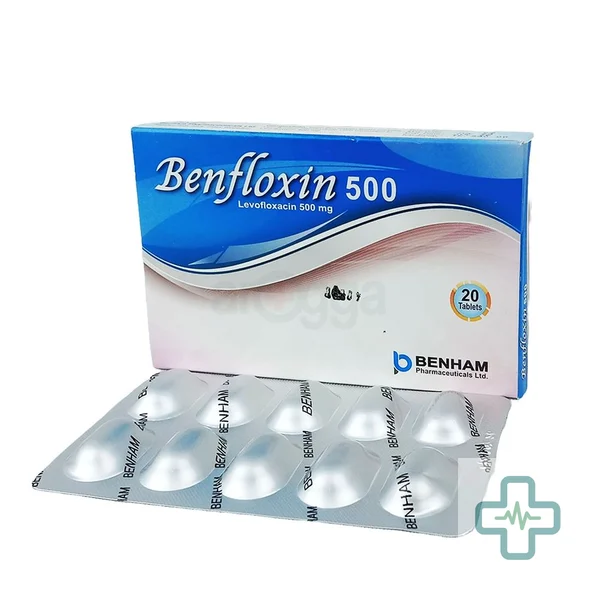
Benfloxin 500 mg Tablet
Levofloxacin
Benham Pharmaceuticals Ltd.

Corbic 500 mg Tablet
Levofloxacin
Novo Healthcare and Pharma Ltd.

Evo 250 mg Tablet
Levofloxacin
Beximco Pharmaceuticals Ltd.
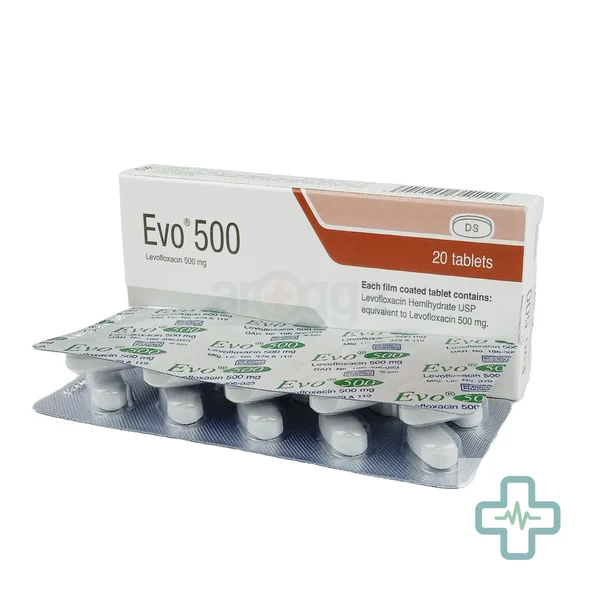
Evo 500 mg Tablet
Levofloxacin
Beximco Pharmaceuticals Ltd.

Evo 125 mg/5 ml Oral Solution
Levofloxacin
Beximco Pharmaceuticals Ltd.
Evo 500 mg/100 ml IV Infusion
Levofloxacin
Beximco Pharmaceuticals Ltd.
Evo TS 15 mg/ml Eye Drops
Levofloxacin
Beximco Pharmaceuticals Ltd.

Evoloxin 500 mg Tablet
Levofloxacin
Hallmark Pharmaceuticals Ltd.

Evonex 250 mg Tablet
Levofloxacin
Jayson Pharmaceuticals Ltd.

Evonex 500 mg Tablet
Levofloxacin
Jayson Pharmaceuticals Ltd.

Exolev 250 mg Tablet
Levofloxacin
Nevian Lifescience PLC
Veterinary products
All Levofloxacin brands (220)
- 3 F 500 mg Tablet
- 3-F 750 mg Tablet
- Adelev 250 mg Tablet
- Adelev 500 mg Tablet
- Anlev 250 mg Tablet
- Anlev 500 mg Tablet
- Asilee 500 mg Tablet
- Asilee-TS 15 mg/ml Eye Drops
- Avelox 500 mg Tablet
- Bacnil 500 mg Tablet
- Bactolev 15 mg/ml Eye Drops
- Beloxin 500 mg Tablet
- Benfloxin 500 mg Tablet
- Corbic 500 mg Tablet
- Evo 125 mg/5 ml Oral Solution
- Evo 250 mg Tablet
- Evo 500 mg Tablet
- Evo 500 mg/100 ml IV Infusion
- Evo TS 15 mg/ml Eye Drops
- Evoloxin 500 mg Tablet
- Evonex 250 mg Tablet
- Evonex 500 mg Tablet
- Exolev 250 mg Tablet
- Exolev 500 mg Tablet
- Exolev 750 mg Tablet
- Flovix TS 15 mg/ml Eye Drops
- Flovo 500 mg Tablet
- Floxaget 500 mg Tablet
- G-Levofloaxcin IV Infusion 500 mg/100 ml
- Genolev 250 mg Tablet
- Genolev 5 mg/ml Eye Drops
- Genolev 500 mg Tablet
- Genolev TS 15 mg/ml Eye Drops
- Isovox 500 mg Tablet
- L 500 mg Tablet
- L Cin 250 mg Tablet
- Lavin 500 mg Tablet
- Laxod 500 mg Tablet
- Lecovet 10 gm/100 ml Solution
- Leevotin 500 mg Tablet
- Lefex 250 mg Tablet
- Lefex 500 mg Tablet
- Leflox 15 mg/ml Eye Drops
- Leflox 5 mg/ml Eye Drops
- Leflox 500 mg Tablet
- Leflox 750 mg Tablet
- Lemed 10 gm/100 gm Oral Powder
- LEO 0.5% 5 mg/ml Eye Drops
- Leo 250 mg Tablet
- Leo 500 mg Tablet
- Leo 750 mg Tablet
- Leoflox 250 mg Tablet
- Leoflox 500 mg Tablet
- Leosil 500 mg Tablet
- Leova 500 mg Tablet
- Lequin 250 mg Tablet
- Lequin 5 mg/ml Eye Drops
- Lequin 500 mg Tablet
- Letab 500 mg Tablet
- Levin 500 mg Tablet
- Levo 500 mg Tablet
- Levobac 125 mg/5 ml Powder for Solution
- Levobac 5 mg/ml Eye Drops
- Levobac 500 mg Tablet
- Levobac 750 mg Tablet
- Levobac IV 500 mg/100 ml IV Infusion
- Levobac TS 15 mg/ml Eye Drops
- Levocare 500 mg Tablet
- Levocin 500 mg Tablet
- Levoday 500 mg Tablet
- Levoflox 5 mg/ml Eye Drops
- Levoflox 500 mg Tablet (Drug International)
- Levoflox 500 mg/100 ml IV Infusion
- Levoflox 750 mg Tablet (Drug International)
- Levoflox Eye Drops 5 mg/ml
- Levoflox-500 mg Tablet (Drug International, Gopalpur)
- Levoflox-750 mg Tablet (Drug International, Gopalpur)
- Levofloxacin 5 mg/ml Eye Drops
- levofloxacin 500 500 mg Tablet
- Levofloxacin 500 mg 500 mg Tablet
- Levofloxacin 500 mg Tablet
- Levogard 10 gm/100 gm Oral Powder
- Levogen IV Infusion 500 mg/100 ml
- Levoking 125 mg/5 ml Oral Solution
- Levoking 250 mg Tablet
- Levoking 500 mg Tablet
- Levoking 500 mg/100 ml IV Infusion
- Levoking 750 mg Tablet
- Levolex 500 mg Tablet
- Levolied 500 mg Tablet
- Levolo 5 mg/ml Eye Drops
- Levolo 500 mg Tablet
- Levolon 250 mg Tablet
- Levomax 5 mg/ml Eye Drops
- LEVOMAX 500 500 mg Tablet
- Levomax 500 mg Tablet
- LEVOMAX 750 750 mg Tablet
- Levomax 750 mg Tablet
- LEVOMAX Ophthalmic 5 mg/ml Eye Drops
- LEVOMAX TS 15 mg/ml Eye Drops
- Levomik 500 mg Tablet
- Levonaaf 125 mg/5 ml Powder for Solution
- Levonce 500 mg Tablet
- Levonor 500 mg Tablet
- Levonor 750 mg Tablet
- Levoquin 250 mg Tablet
- Levoquin 5 mg/ml Eye Drops
- Levoquin 500 mg Tablet
- Levoquin TS 15 mg/ml Eye Drops
- Levora 125 mg/5 ml Oral Solution
- Levora 250 mg Tablet
- Levora 500 mg Tablet
- Levora 750 mg Tablet
- Levosina 250 mg Tablet
- Levosina 500 mg Tablet
- Levosina 750 mg Tablet
- Levosina TS 15 mg/ml Eye Drops
- Levosis 500 mg Tablet
- Levotal 250 mg Tablet
- Levotal 500 mg Tablet
- Levox 0.5% 5 mg/ml Eye Drops
- Levox 125 mg/5 ml Oral Solution
- Levox 250 mg Tablet
- Levox 500 mg Tablet
- Levox 500 mg/100 ml IV Infusion
- Levox 750 mg Tablet
- Levox TS 1.5% 15 mg/ml Eye Drops
- Levoxin 125 mg/5 ml Oral Solution
- Levoxin 250 mg Tablet
- Levoxin 250 mg/50 ml IV Infusion
- Levoxin 5 mg/ml Eye Drops
- Levoxin 500 mg Tablet
- Levoxin 500 mg/100 ml IV Infusion
- Levoxin 750 mg Tablet
- Levoxin Eye Drops 5 mg/ml
- Levoxin TS 15 mg/ml Eye Drops
- Lexa 500 mg Tablet
- Lexazen 250 mg Tablet
- Lexazen 500 mg Tablet
- Lexlo 250 mg Tablet
- Lezon 500 mg Tablet
- Lifcin 0.5 5 mg/ml Eye Drops
- Lifcin 125 mg/5 ml Oral Solution
- Lifcin 15 mg/ml Eye Drops
- Lifcin 250 mg Tablet
- Lifcin 500 mg Tablet
- Lifcin 500 mg/100 ml IV Infusion
- Lifcin 750 mg Tablet
- Lin 250 mg Tablet
- Lin 5 mg/ml Eye Drops
- Lin 500 mg Tablet
- Livacin 5 mg/ml Eye Drops
- Livacin 500 mg Tablet
- Livofloxin 500 mg Tablet
- Livoquin TS 15 mg/ml Eye Drops
- Locin 500 mg Tablet
- Locin Eye Drops 5 mg/ml
- Lotor 500 mg Tablet
- Lovicin 5 mg/ml Eye Drops
- Loxin 250 mg Tablet
- Loxin 500 mg Tablet
- LQ 500 mg Tablet
- Maxlev 500 mg Tablet
- Neolev 500 mg Tablet
- Neovox 500 mg Tablet
- Nivoloc 250 mg Tablet
- Olcin 125 mg/5 ml Oral Solution
- Olcin 500 mg Tablet
- Olcin 750 mg Tablet
- Opthalev 15 mg/ml Eye Drops
- Orgalev 500 mg Tablet
- Orlev 125 mg/5 ml Oral Solution
- Orlev 250 mg Tablet
- Orlev 500 mg Tablet
- Orlev 750 mg Tablet
- Ovel 5 mg/ml Eye Drops
- Ovel 500 mg Tablet
- Ovel TS 15 mg/ml Eye Drops
- Ovoxin 500 mg Tablet
- Prevo 500 mg Tablet
- Quilev 500 mg Tablet
- Quilev-TS 15 mg/ml Eye Drops
- Quiva 500 mg Tablet
- Quixin 500 mg Tablet
- Radibac 500 mg Tablet
- Resquin 5 mg/ml Eye Drops
- Resquin Ts Ophthalmic Solution 15 mg/ml Eye Drops
- Resquine 250 mg Tablet
- Resquine 500 mg Tablet
- Resquine 750 mg Tablet
- Revacin 15 mg/ml Eye Drops
- Revacin 5 mg/ml Eye Drops
- Rotacin 500 mg Tablet
- Rovocin 500 mg Tablet
- Tivanik 500 mg Tablet
- Toplevo 500 mg Tablet
- Trevox 125 mg/5 ml Oral Solution
- Trevox 250 mg Tablet
- Trevox 500 mg Tablet
- Trevox 500 mg/100 ml IV Infusion
- Trevox 750 750 mg Tablet
- Trevox 750 mg Tablet
- Trilon 500 mg Tablet
- Urilev 250 mg Tablet
- Urilev 500 mg/100 ml IV Infusion
- Urilev 750 mg Tablet
- Urilev IV Infusion 500 mg/100 ml
- Vetlevo 10 gm/100 gm Oral Powder
- Vofox 5 mg/ml Eye Drops
- Xelevo 500 mg Tablet
- Xenolev 500 mg Tablet
Veterinary products
- AdLeflox (Vet) Powder 10 gm/100 gm Oral Powder
- Levoflor Vet 125 mg/5 ml Oral Solution
- Levomax Vet 10 gm/100 ml Solution
- Levosol 10% Oral Solution (Vet 10 gm/100 ml Solution
- Levoxin-Vet 10 gm/100 ml Solution
- Libo Flow (Vet) Powder 10 gm/100 gm Oral Powder
- Lifcin Vet 10 gm/100 gm Oral Powder
- NEW LEVON VET 10 gm/100 gm Oral Powder
- Orlev-Vet 10 gm/100 gm Oral Powder
What is Levofloxacin?
Levofloxacin is a fluoroquinolone antibiotic medicine available in Bangladesh under many brand names. Below are its uses, side effects and precautions — and every brand with its current price.
What is Levofloxacin used for?
- Community-acquired pneumonia and chest infections
- Complicated urinary tract and kidney infections
- Acute bacterial sinusitis
- Skin and soft-tissue infections
- Some chronic prostate infections
- Certain serious infections where other antibiotics are unsuitable
Side Effects
Many people tolerate Levofloxacin well, but side effects can occur. Common ones include:
- Nausea, diarrhoea, or abdominal discomfort
- Headache, dizziness, or sleep disturbance
- Skin rash
Rare but serious effects include tendon pain or rupture (especially the Achilles tendon), nerve damage with tingling or numbness, mood or confusion changes, seizures, and irregular heartbeat. Stop Levofloxacin and seek medical help immediately if you notice tendon pain, severe mood changes, numbness, or a serious allergic reaction.
Precautions & Warnings
Levofloxacin is a prescription-only antibiotic — never self-medicate. Fluoroquinolones are powerful and are usually reserved for when other antibiotics are unsuitable, so take Levofloxacin only when a registered doctor prescribes it; never buy it over the counter or share it. Always complete the full prescribed course, even after you feel better, because stopping early lets the toughest bacteria survive and become resistant.
Tell your doctor about tendon problems, epilepsy, nerve disorders, diabetes, kidney disease, or heart-rhythm problems. Antibiotic resistance is a serious national crisis in Bangladesh, and careless use of strong antibiotics like Levofloxacin accelerates it.
Drug Interactions
Tell your doctor about everything you take. Important interactions with Levofloxacin include:
- Milk, antacids, iron, zinc, and calcium — reduce absorption; separate by at least 2 hours
- NSAID painkillers — may increase the risk of seizures
- Warfarin — increased bleeding risk
- Medicines that affect heart rhythm (QT-prolonging drugs)
- Diabetes medicines — blood sugar can rise or fall
Contraindications
Do not take Levofloxacin if you:
- Are allergic to levofloxacin or other fluoroquinolone antibiotics
- Have previously had tendon problems after a fluoroquinolone
- Have epilepsy or a history of seizures (unless your doctor decides otherwise)
It is generally avoided in children, adolescents, and during pregnancy or breastfeeding, and used cautiously in people with myasthenia gravis, diabetes, or heart-rhythm disorders.
Pregnancy & Lactation
Levofloxacin is generally not recommended during pregnancy unless there is no safer alternative, because of concerns about its effect on developing joints and cartilage. Tell your doctor if you are pregnant or planning a pregnancy so a safer antibiotic can be chosen.
The drug passes into breast milk, so it is usually avoided while breastfeeding. Your doctor may advise an alternative antibiotic or discuss pausing breastfeeding during treatment.
Storage
Store Levofloxacin in a cool, dry place below 30°C, away from direct sunlight and moisture, in its original pack. Keep it well out of the reach of children. Do not use the medicine after its expiry date, and return any leftover tablets to a pharmacy rather than keeping them for future use.
Frequently asked questions about Levofloxacin
I have tingling, numbness, or anxiety since starting Levofloxacin — should I worry?
General information about Levofloxacin, written from a shared template for every medicine with this ingredient by the ChamberBD content team. This page has not been individually reviewed by a clinician and does not replace a doctor's advice — always follow your doctor's prescription.