
Generic
Levetiracetam
Brand medicines containing Levetiracetam available in Bangladesh — compare prices, strengths and manufacturers.
Levetiracetam brands in Bangladesh
Showing 1–24 of 78 medicines
Citazar 1000 mg Tablet
Levetiracetam
Advanced Chemical Industries Limited
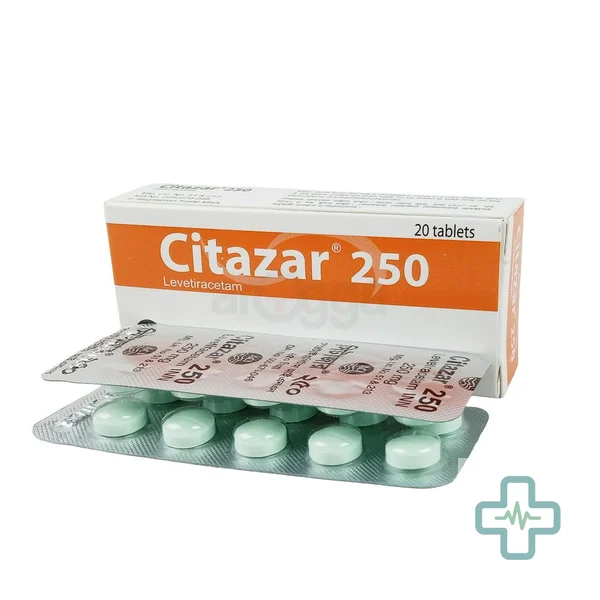
Citazar 250 mg Tablet
Levetiracetam
Advanced Chemical Industries Limited
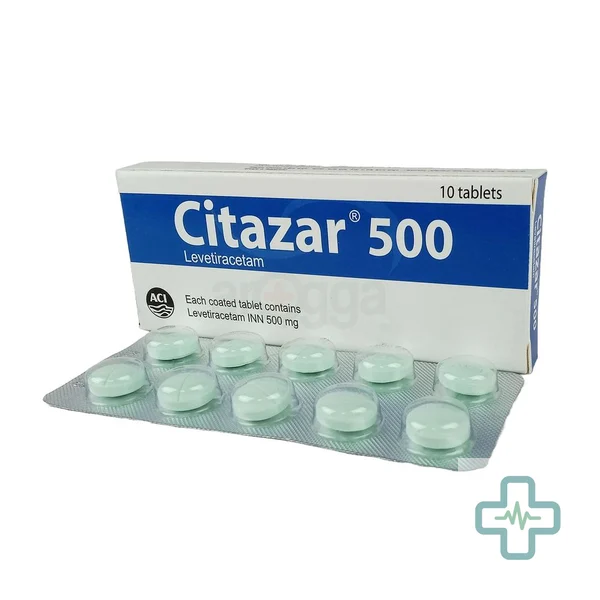
Citazar 500 mg Tablet
Levetiracetam
Advanced Chemical Industries Limited
Citazar 750 mg Tablet
Levetiracetam
Advanced Chemical Industries Limited
Citazar 100 mg/ml Suspension
Levetiracetam
Advanced Chemical Industries Limited
Citazar 500 mg Xr Tablet
Levetiracetam
Advanced Chemical Industries Limited
Citazar iv 500 mg/5 ml Injection
Levetiracetam
Avarox Pharmaceuticals Ltd.
Citazar xr 500 mg Tablet
Levetiracetam
Avarox Pharmaceuticals Ltd.
Citazar XR 750 mg Tablet
Levetiracetam
Avarox Pharmaceuticals Ltd.
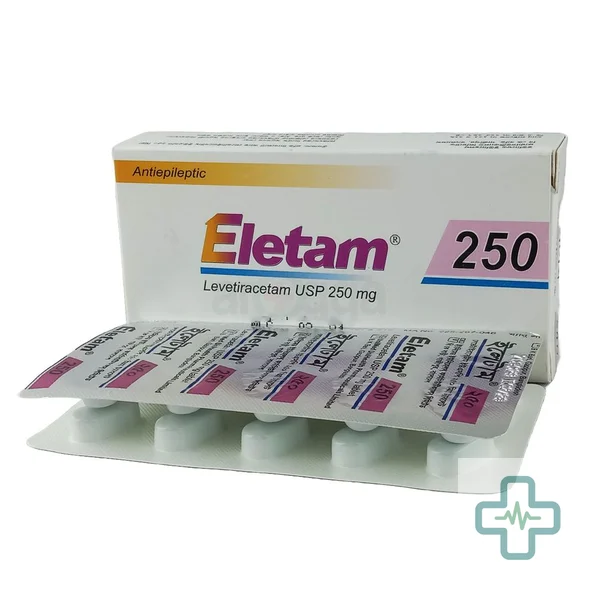
Eletam 250 mg Tablet
Levetiracetam
Unimed Unihealth Pharmaceuticals Ltd.
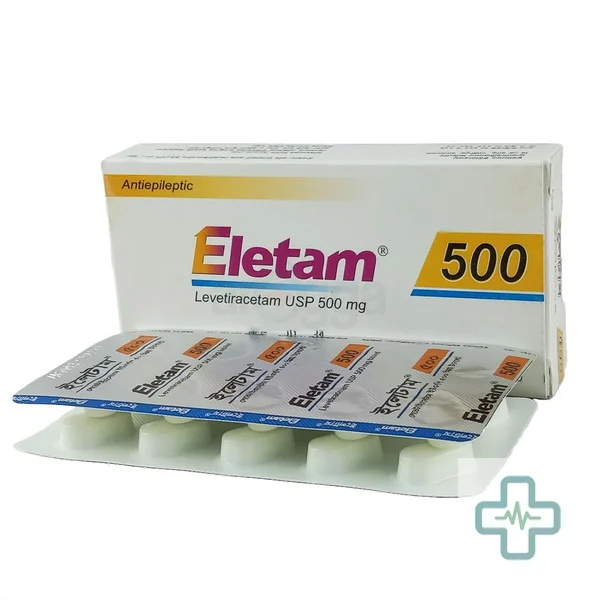
Eletam 500 mg Tablet
Levetiracetam
Unimed Unihealth Pharmaceuticals Ltd.
Eletam 100 mg/ml Suspension
Levetiracetam
Unimed Unihealth Pharmaceuticals Ltd.
Epicet 1500 XR Tablet
Levetiracetam
Renata PLC
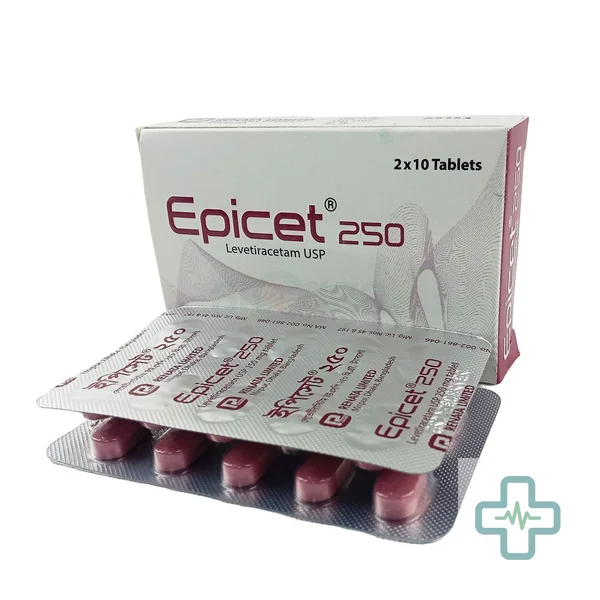
Epicet 250 mg Tablet
Levetiracetam
Renata PLC
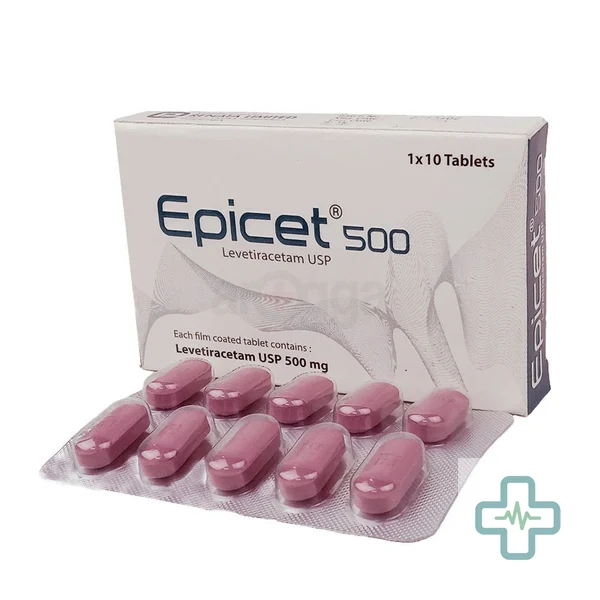
Epicet 500 mg Tablet
Levetiracetam
Renata PLC
Epicet 500/5 Injection 500 mg/5 ml
Levetiracetam
Renata PLC
Epicet Oral Solution 100 mg/ml Suspension
Levetiracetam
Renata PLC
Epicet-1000 XR Tablet
Levetiracetam
Renata PLC
Epicet-500 XR Tablet
Levetiracetam
Renata PLC
Epicet-750 XR Tablet
Levetiracetam
Renata PLC
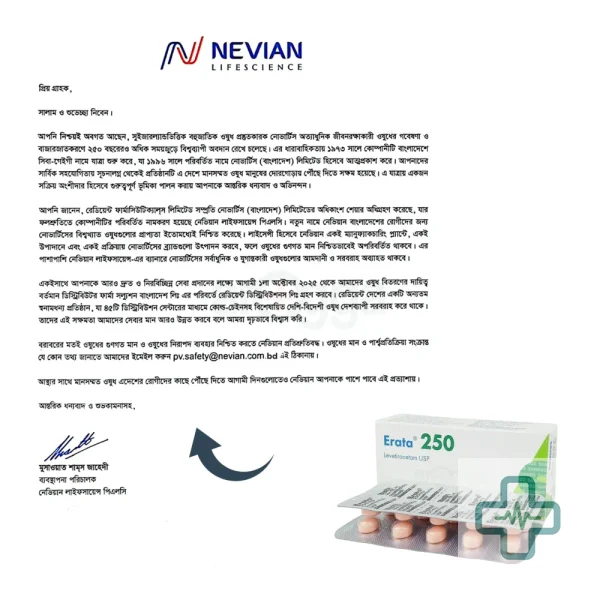
Erata 250 mg Tablet
Levetiracetam
Nevian Lifescience PLC
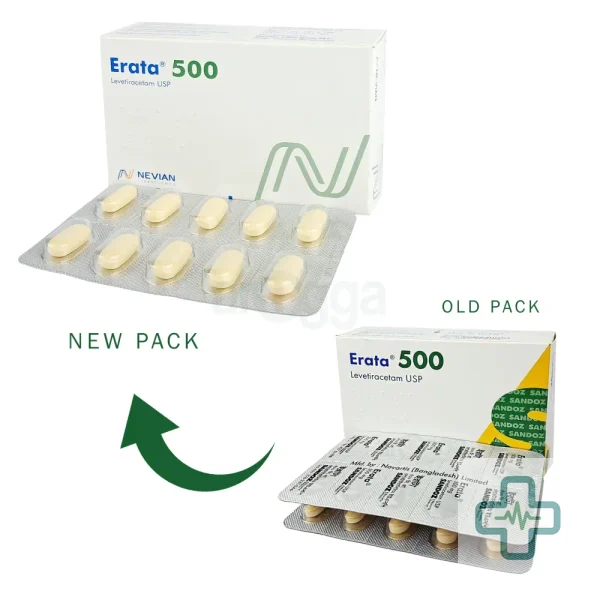
Erata 500 mg Tablet
Levetiracetam
Nevian Lifescience PLC
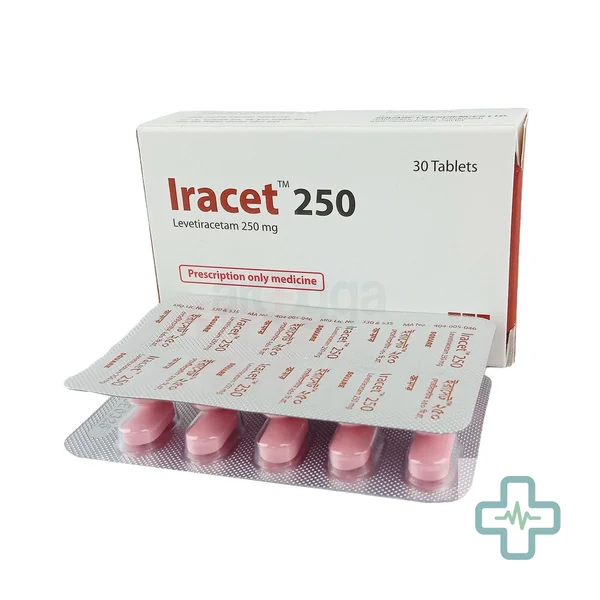
Iracet 250 mg Tablet
Levetiracetam
Square Pharmaceuticals PLC, Pabna
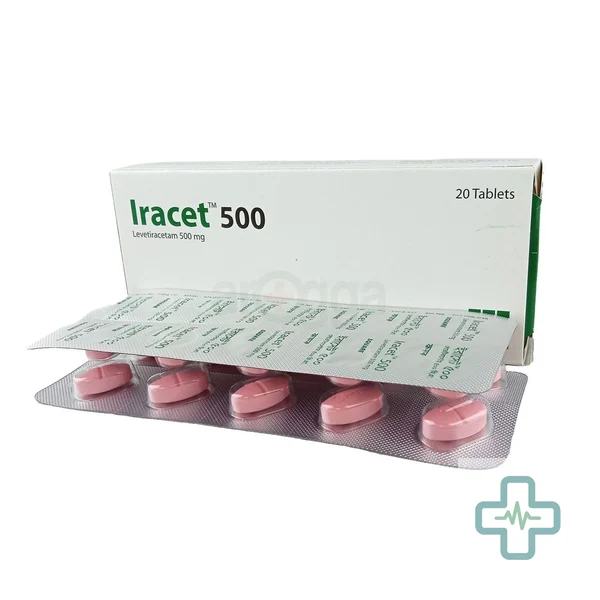
Iracet 500 mg Tablet
Levetiracetam
Square Pharmaceuticals PLC, Pabna
All Levetiracetam brands (78)
- Citazar 100 mg/ml Suspension
- Citazar 1000 mg Tablet
- Citazar 250 mg Tablet
- Citazar 500 mg Tablet
- Citazar 500 mg Xr Tablet
- Citazar 750 mg Tablet
- Citazar iv 500 mg/5 ml Injection
- Citazar xr 500 mg Tablet
- Citazar XR 750 mg Tablet
- Eletam 100 mg/ml Suspension
- Eletam 250 mg Tablet
- Eletam 500 mg Tablet
- Epicet 1500 XR Tablet
- Epicet 250 mg Tablet
- Epicet 500 mg Tablet
- Epicet 500/5 Injection 500 mg/5 ml
- Epicet Oral Solution 100 mg/ml Suspension
- Epicet-1000 XR Tablet
- Epicet-500 XR Tablet
- Epicet-750 XR Tablet
- Erata 250 mg Tablet
- Erata 500 mg Tablet
- Iracet 100 mg/ml Suspension
- Iracet 250 250 mg Tablet
- Iracet 250 mg Tablet
- Iracet 500 500 mg Tablet
- Iracet 500 mg Tablet
- Iracet 500 mg/5 ml Injection
- Lepsytam IV 500 mg/5 ml Injection
- Lepsytam Oral 100 mg/ml Suspension
- Levecetam 250 mg Tablet
- Levecetam 500 mg Tablet
- Levefix 250 mg Tablet
- Levefix 500 mg Tablet
- Levefix 500 mg/5 ml Injection
- Levefix Oral Solution 100 mg/ml Suspension
- Levefix XR 1 1000 mg Tablet
- Levefix XR 750 mg Tablet
- Levepro 250 mg Tablet
- Levepro 500 mg Tablet
- Leveron 100 mg/ml Suspension
- Leveron 250 mg Tablet
- Leveron 500 mg Tablet
- Leveron 500 mg XR Tablet
- Leveron 750 mg XR Tablet
- Levetam 100 mg/ml Suspension
- Levetam 250 mg Tablet
- Levetam 500 mg Xr Tablet
- Levetam IV 500 mg/5 ml Injection
- Levetam XR 500 mg Tablet
- Levetira 500 mg Tablet
- Levetira Oral Solution 100 mg/ml Suspension
- Levetiracetam 100 mg/ml Suspension
- Levetiracetam 1000 1000 mg Tablet
- Levetiracetam 1000 mg 1000 mg Tablet
- Levetiracetam 250 250 mg Tablet
- Levetiracetam 250 mg 250 mg Tablet
- Levetiracetam 500 500 mg Tablet
- Levetiracetam 500 mg 500 mg Tablet
- Levetiracetam 750 750 mg Tablet
- Levetiracetam 750 mg 750 mg Tablet
- Levicet Oral Solution 100 mg/ml Suspension
- Levipil 250 mg Tablet
- Levipil 500 mg Tablet
- Leviram 250 Tablet
- Leviram 500 Tablet
- Levista 250 mg Tablet
- Levista 500 mg Tablet
- Litam 250 mg Tablet
- Litam 500 mg Tablet
- Neurocet 250 mg Tablet
- Neurocet 500 mg Tablet
- Neurocet 500 mg/5 ml Injection
- Neurocet XR 1 1000 mg Tablet
- Neurocet XR 500 mg Xr Tablet
- Oritam 100 ml 100 mg/ml Suspension
- Oritam 250 mg Tablet
- Oritam 500 mg Tablet
What is Levetiracetam?
Levetiracetam is a antiepileptic (anticonvulsant) medicine available in Bangladesh under many brand names. Below are its uses, side effects and precautions — and every brand with its current price.
What is Levetiracetam used for?
Levetiracetam is prescribed by doctors to prevent and control several types of epileptic seizures:
- Focal (partial-onset) seizures, with or without spread to the whole brain
- Generalised tonic-clonic seizures
- Myoclonic seizures, including juvenile myoclonic epilepsy
- As add-on therapy when another antiepileptic alone has not fully controlled the seizures
Hospitals also use injectable forms for urgent seizure control. The choice, combination and duration of seizure medicines are specialist decisions based on seizure type, age, other illnesses and — for women — pregnancy plans. Regular follow-up is part of the treatment, not an optional extra.
Side Effects
Many people tolerate Levetiracetam well; effects are usually strongest in the first weeks:
- Common: sleepiness, tiredness, dizziness, headache, runny or blocked nose
- Mood and behaviour: irritability, short temper, anxiety, low mood or agitation — more often in children; rarely, thoughts of self-harm. Families should watch for personality change and report it early
- Less common: poor appetite, tremor, unsteadiness, skin rash
- Serious (urgent): severe rash with fever or blistering, unusual bruising or repeated infections, thoughts of suicide, worsening seizures
Most mood effects improve with dose adjustment or a doctor-guided switch — never by stopping the medicine yourself.
Precautions & Warnings
Essential precautions with Levetiracetam:
- Never stop or skip doses — abrupt discontinuation can provoke severe, prolonged seizures (status epilepticus)
- Keep a reserve supply so you never run out, especially when travelling
- Report mood changes, depression, unusual aggression or self-harm thoughts promptly
- Tell your doctor about kidney disease — doses must be adjusted
- Avoid alcohol and severe sleep deprivation, both of which lower the seizure threshold
- Follow national rules and your doctor's advice about driving — usually allowed only after a sustained seizure-free period
- Women planning pregnancy should consult their neurologist before conceiving rather than stopping the medicine on their own
Drug Interactions
A practical advantage of Levetiracetam is its low interaction potential — it does not significantly affect the liver enzymes that process other drugs. Still:
- Sedating medicines and alcohol — combined drowsiness and unsteadiness can be marked
- Other antiepileptics — usually combine safely, but the specialist balances doses when seizures or side effects change
- Methotrexate — its levels may rise with concurrent use; monitoring is advised
- Probenecid — can raise levels of levetiracetam's breakdown product
Even with this favourable profile, keep your doctor and pharmacist informed of every medicine, supplement and herbal product you use, and report new drowsiness after any addition.
Contraindications
Levetiracetam has few absolute contraindications:
- Known allergy to levetiracetam, to other pyrrolidone-family compounds (such as piracetam), or to any tablet ingredient
- A previous serious skin or allergic reaction to this medicine
It must be used with adjusted doses and closer review — not avoided outright — in significant kidney impairment, and with careful monitoring in people with serious existing psychiatric illness, because mood and behaviour side effects can be more troublesome for them. The medicine suits a wide range of patients, including many for whom older antiepileptics are unsuitable, but only a doctor should make that judgement.
Pregnancy & Lactation
Pregnancy: Seizure control matters greatly in pregnancy, because uncontrolled fits endanger both mother and baby. Levetiracetam is among the antiepileptics generally preferred in pregnancy, with comparatively reassuring safety data, but the decision and dose belong to the neurologist — blood levels can fall during pregnancy and may need monitoring and adjustment. Do not stop the medicine on discovering pregnancy. High-dose folic acid before and during early pregnancy is usually advised.
Breastfeeding: Levetiracetam passes into breast milk, yet breastfeeding is often still possible with monitoring of the baby for excessive sleepiness and adequate weight gain. Decide jointly with your doctor.
Storage
Store Levetiracetam below 30°C in its original pack, away from sunlight, heat and moisture, and keep oral solution bottles tightly closed as instructed on the label. Keep all antiepileptic medicines out of the reach of children. Because running out of this medicine is genuinely dangerous, keep at least a week's reserve at home and refill prescriptions early — particularly before holidays, travel or floods when pharmacies may be hard to reach. Do not use tablets after the expiry date, and dispose of unused medicine safely.
General information about Levetiracetam, written from a shared template for every medicine with this ingredient by the ChamberBD content team. This page has not been individually reviewed by a clinician and does not replace a doctor's advice — always follow your doctor's prescription.