
Generic
Etoricoxib
Brand medicines containing Etoricoxib available in Bangladesh — compare prices, strengths and manufacturers.
Etoricoxib brands in Bangladesh
Showing 1–24 of 163 medicines
Alcox 90 mg Tablet
Etoricoxib
Guardian Healthcare Ltd.
Algirex 120 mg Tablet
Etoricoxib
Ibn Sina Pharmaceutical Ind. Ltd.
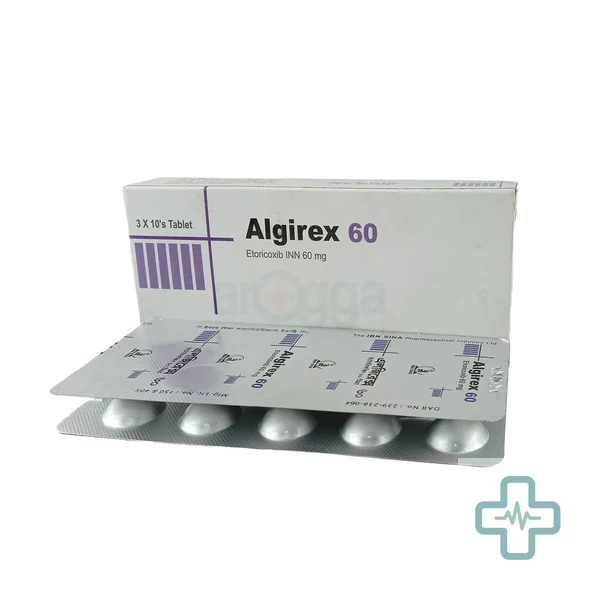
Algirex 60 mg Tablet
Etoricoxib
Ibn Sina Pharmaceutical Ind. Ltd.
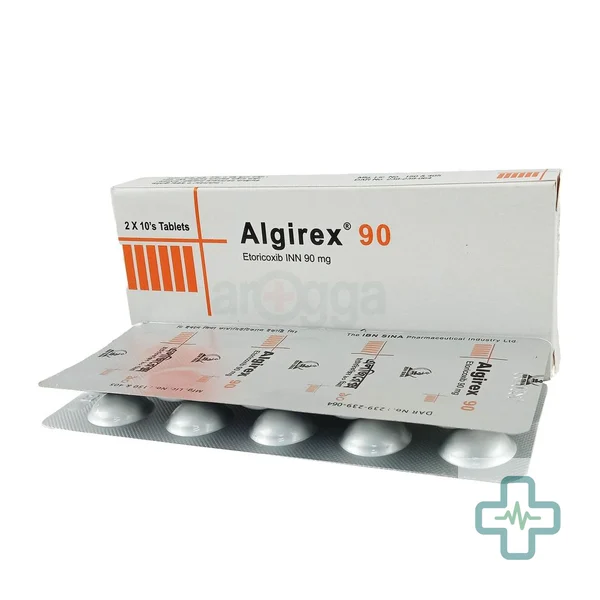
Algirex 90 mg Tablet
Etoricoxib
Ibn Sina Pharmaceutical Ind. Ltd.

AmiCoxib 120 mg Tablet
Etoricoxib
Amico Laboratories Ltd.
AmiCoxib 90 mg Tablet
Etoricoxib
Amico Laboratories Ltd.
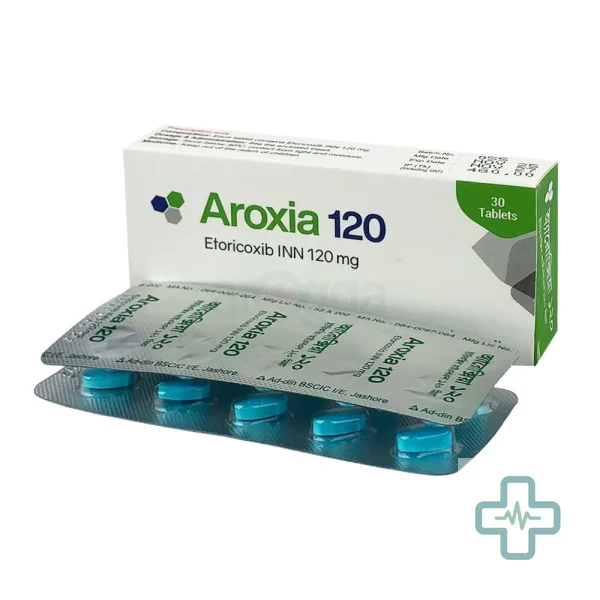
Aroxia 120 mg Tablet
Etoricoxib
Ad-din Pharmaceuticals Ltd.
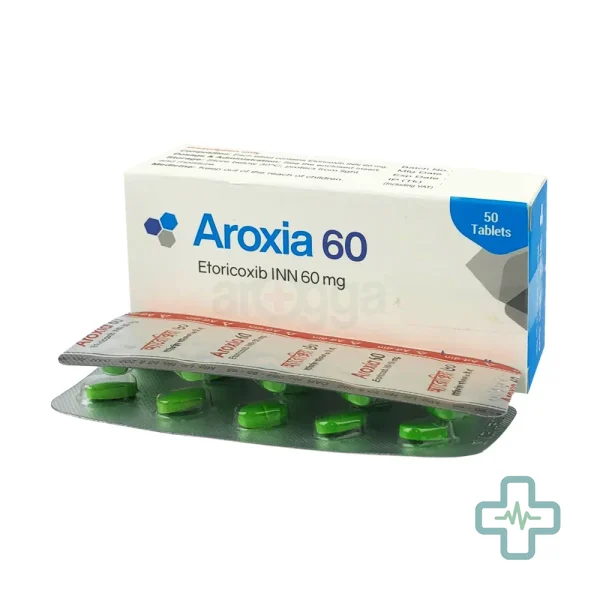
Aroxia 60 mg Tablet
Etoricoxib
Ad-din Pharmaceuticals Ltd.
Aroxia 90 mg Tablet
Etoricoxib
Ad-din Pharmaceuticals Ltd.
Biocox 90 mg Tablet
Etoricoxib
Biopharma Ltd.
BIOCOX 120 mg Tablet
Etoricoxib
Biopharma Ltd.

Cox-E 120 mg Tablet
Etoricoxib
Popular Pharmaceuticals PLC

Cox-E 60 mg Tablet
Etoricoxib
Popular Pharmaceuticals PLC

Cox-E 90 mg Tablet
Etoricoxib
Popular Pharmaceuticals PLC
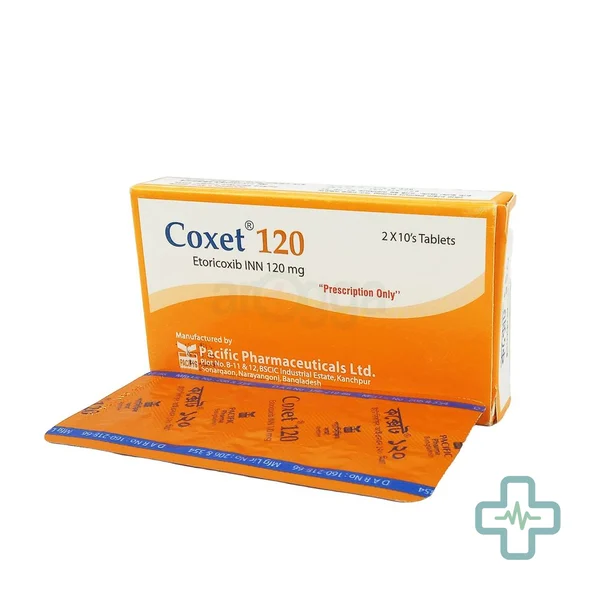
Coxet 120 mg Tablet
Etoricoxib
Pacific Pharmaceuticals Ltd.
Coxet 90 mg Tablet
Etoricoxib
Pacific Pharmaceuticals Ltd.

Coxetori 60 mg Tablet
Etoricoxib
Amulet Pharmaceuticals Ltd.
Coxetpro 120 mg Tablet
Etoricoxib
Amulet Pharmaceuticals Ltd.

Coxfree 120 mg Tablet
Etoricoxib
Kemiko Pharmaceuticals Ltd.

Coxfree 60 mg Tablet
Etoricoxib
Kemiko Pharmaceuticals Ltd.

Coxfree 90 mg Tablet
Etoricoxib
Kemiko Pharmaceuticals Ltd.
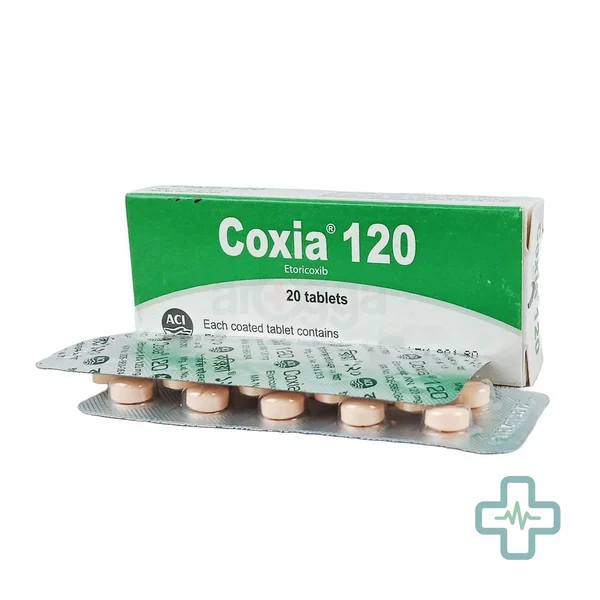
Coxia 120 mg Tablet
Etoricoxib
Advanced Chemical Industries Limited
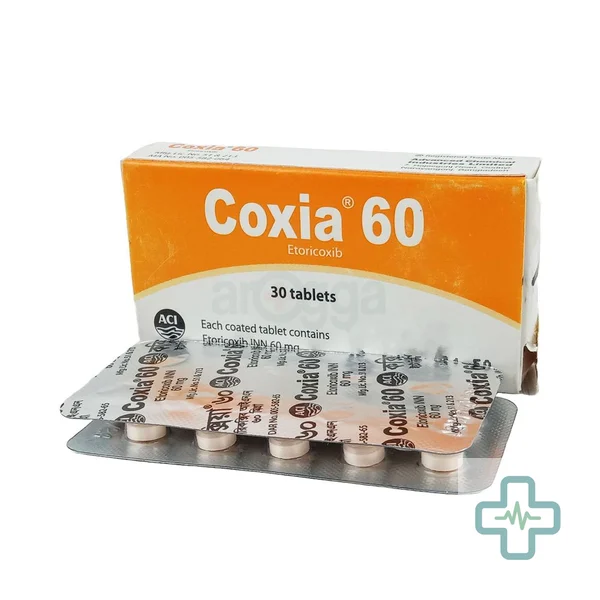
Coxia 60 mg Tablet
Etoricoxib
Advanced Chemical Industries Limited
Coxitor 90 mg Tablet
Etoricoxib
Beacon Pharmaceuticals PLC
All Etoricoxib brands (163)
- Alcox 90 mg Tablet
- Algirex 120 mg Tablet
- Algirex 60 mg Tablet
- Algirex 90 mg Tablet
- AmiCoxib 120 mg Tablet
- AmiCoxib 90 mg Tablet
- Aroxia 120 mg Tablet
- Aroxia 60 mg Tablet
- Aroxia 90 mg Tablet
- BIOCOX 120 mg Tablet
- Biocox 90 mg Tablet
- Cox-E 120 mg Tablet
- Cox-E 60 mg Tablet
- Cox-E 90 mg Tablet
- Coxet 120 mg Tablet
- Coxet 90 mg Tablet
- Coxetori 60 mg Tablet
- Coxetpro 120 mg Tablet
- Coxfree 120 mg Tablet
- Coxfree 60 mg Tablet
- Coxfree 90 mg Tablet
- Coxia 120 mg Tablet
- Coxia 60 mg Tablet
- Coxitor 90 mg Tablet
- Coxsafe 120 mg Tablet
- Coxsafe 60 mg Tablet
- Coxsafe 90 mg Tablet
- COXTOP 120 mg Tablet
- COXTOP 60 mg Tablet
- Coxtop 90 mg Tablet
- Danilo Tablet 60 mg Tablet
- Danilo Tablet 90 mg Tablet
- E Coxib 90 mg Tablet
- Ecox 60 mg Tablet
- Eflam 60 mg Tablet
- Eflam 90 mg Tablet
- Eritox 120 mg Tablet
- Eritox 90 mg Tablet
- Eroflam 120 mg Tablet
- Eroflam 60 mg Tablet
- Eroflam 90 mg Tablet
- Espana 120 mg Tablet
- Espana 90 mg Tablet
- Etagin 120 mg Tablet
- Eto 120 mg Tablet
- Eto 60 mg Tablet
- Eto 90 mg Tablet
- Etoben 60 mg Tablet
- ETOCOX 120 120 mg Tablet
- Etocox 120 mg Tablet
- ETOCOX 60 60 mg Tablet
- Etocox 60 mg Tablet
- ETOCOX 90 90 mg Tablet
- Etocox 90 mg Tablet
- Etocoxet 90 mg Tablet
- Etocoxet-60 mg Tablet
- Etocoxib 60 mg Tablet
- Etocoxiben 90 mg Tablet
- Etoflam 120 mg Tablet
- Etoflam 60 mg Tablet
- Etoflam 90 mg Tablet
- Etonil 120 mg Tablet
- Etonil 60 mg Tablet
- Etonil 90 mg Tablet
- Etorgin 90 mg Tablet
- Etorica 120 mg Tablet
- Etorica 60 mg Tablet
- Etorica 90 mg Tablet
- Etoricoxib 120 120 mg Tablet
- Etoricoxib 120 mg 120 mg Tablet
- Etoricoxib 120 mg Tablet
- Etoricoxib 120 Tablet
- Etoricoxib 60 60 mg Tablet
- Etoricoxib 60 mg 60 mg Tablet
- Etoricoxib 60 mg Tablet
- Etoricoxib 60 Tablet
- Etoricoxib 90 90 mg Tablet
- Etoricoxib 90 mg 90 mg Tablet
- Etoricoxib 90 mg Tablet
- Etoricoxib 90 Tablet
- Etoriflex 60 mg Tablet
- Etoriflex 90 mg Tablet
- ETORIVA 60 mg Tablet
- ETORIVA 90 mg Tablet
- Etorix 120 120 mg Tablet
- Etorix 120 mg Tablet
- Etorix 30 mg Tablet
- Etorix 60 mg Tablet
- Etorix 90 mg Tablet
- ETOSAFE-120 mg Tablet
- ETOSAFE-90 mg Tablet
- Etoshine 120 mg Tablet
- Etoshine 60 mg Tablet
- Etoshine 90 mg Tablet
- Etosis 120 mg Tablet
- Etosis 60 mg Tablet
- Etosis 90 mg Tablet
- Etovan 60 mg Tablet
- ETOVIVA 120 mg Tablet
- Etox 60 mg Tablet
- Etox 90 mg Tablet
- Etoxib-60 mg Tablet
- Etoxib-90 mg Tablet
- Etrib 60 mg Tablet
- Etrib 90 mg Tablet
- Everex 60 mg Tablet
- Exib 60 mg Tablet
- Ezepain 120 mg Tablet
- Ezepain 60 mg Tablet
- Ezepain 90 mg Tablet
- G-Cox 120 mg Tablet
- G-Cox 60 mg Tablet
- G-Cox 90 mg Tablet
- Impulse 120 mg Tablet
- Impulse 90 mg Tablet
- Medricox 120 mg Tablet
- Medricox 90 mg Tablet
- Neocox 120 mg Tablet
- Neocox 60 mg Tablet
- Neocox 90 mg Tablet
- Oricox 120 mg Tablet
- Oricox 30 mg Tablet
- Oricox 30 Tablet
- Oricox 60 mg Tablet
- Oricox 90 mg Tablet
- Painden 90 mg Tablet
- Powercox 90 mg Tablet
- Ratirex 120 mg Tablet
- Recox-120 mg Tablet
- Ribox 120 mg Tablet
- Ribox 60 mg Tablet
- Ribox 90 mg Tablet
- Rito 120 mg Tablet
- Rito 60 mg Tablet
- Rito 90 mg Tablet
- Ritoxib 120 mg Tablet
- Ritoxib 60 mg Tablet
- Ritoxib 90 mg Tablet
- Rofin 120 mg Tablet
- Rofin-90 mg Tablet
- SB-Eto 120 mg Tablet
- SB-Eto 60 mg Tablet
- Setorib 120 mg Tablet
- Setorib 60 mg Tablet
- Starcox 60 mg Tablet
- Starcox 90 mg Tablet
- Torbi 120 mg Tablet
- Torbi 90 mg Tablet
- Torento 120 mg Tablet
- Torento 90 mg Tablet
- Torimon 120 mg Tablet
- Tory 120 120 mg Tablet
- Tory 120 mg Tablet
- Tory 60 60 mg Tablet
- Tory 60 mg Tablet
- Tory 90 90 mg Tablet
- Tory 90 mg Tablet
- Vericox 120 mg Tablet
- Vericox 60 mg Tablet
- Vericox 90 mg Tablet
- X Dol 120 mg Tablet
- X dol 90 mg Tablet
- Xdol 60 mg Tablet
What is Etoricoxib?
Etoricoxib is a selective cox-2 inhibitor nsaid (coxib) medicine available in Bangladesh under many brand names. Below are its uses, side effects and precautions — and every brand with its current price.
What is Etoricoxib used for?
Etoricoxib is used for:
- Osteoarthritis — usual dose 60 mg once daily
- Rheumatoid arthritis and ankylosing spondylitis — usually 90 mg once daily
- Acute gout attacks — 120 mg once daily for a maximum of 8 days
- Acute pain after dental surgery
- Other short-term musculoskeletal pain where a doctor judges a COX-2 inhibitor suitable
It relieves pain, swelling and stiffness but does not cure the underlying disease, which needs ongoing care from your doctor.
Side Effects
Common side effects of Etoricoxib include:
- Raised blood pressure — the most important one to watch
- Swollen ankles or legs from fluid retention
- Stomach discomfort, indigestion, nausea or diarrhoea
- Headache, dizziness or palpitations
- Raised liver enzymes on blood tests
Serious but less common: heart attack and stroke (risk rises with dose and duration), heart failure worsening, stomach ulcers and bleeding (less than older NSAIDs but not zero), kidney impairment and severe allergic or skin reactions. Seek urgent help for chest pain, one-sided weakness, black stools or severe breathlessness.
Precautions & Warnings
Key precautions with Etoricoxib:
- Check blood pressure before starting and regularly during treatment — etoricoxib can raise it; treatment should not start if BP is uncontrolled (above 140/90)
- Tell your doctor about any heart disease, stroke, clotting problems or strong family history before taking it
- Avoid in dengue fever or suspected dengue — paracetamol is the safe choice
- Use cautiously with kidney or liver disease, diabetes, smoking or high cholesterol
- Avoid when dehydrated
- Use the lowest dose for the shortest time; do not exceed 8 days at 120 mg for gout
- Do not combine with other NSAIDs
Drug Interactions
Important interactions of Etoricoxib:
- Warfarin — INR can rise; closer monitoring needed when starting or stopping
- ACE inhibitors, ARBs and diuretics — weaker blood-pressure control and risk of kidney injury
- Aspirin — low-dose cardiac aspirin may continue if prescribed, but ulcer risk rises; do not add other NSAIDs
- Lithium and methotrexate — blood levels and toxicity can increase
- Rifampicin — markedly lowers etoricoxib levels
- Oral contraceptives and hormone therapy — etoricoxib can raise hormone levels, increasing clot risk
- Ciclosporin, tacrolimus — increased kidney toxicity
Share your full medicine list with your doctor before starting.
Contraindications
Do not take Etoricoxib if you have:
- Established heart disease (previous heart attack, angina), stroke or peripheral arterial disease
- Uncontrolled high blood pressure (persistently above 140/90 mmHg)
- Moderate to severe heart failure
- Active peptic ulcer or gastrointestinal bleeding
- Severe kidney or liver impairment
- Asthma, hives or allergy triggered by aspirin or other NSAIDs
- Dengue fever or suspected dengue
- Pregnancy (especially the last trimester) and breastfeeding, unless a specialist advises otherwise
- Inflammatory bowel disease (active ulcerative colitis or Crohn's disease)
Pregnancy & Lactation
Pregnancy: Etoricoxib should not be used in pregnancy. Like other NSAIDs it is contraindicated in the third trimester because it can prematurely close a vessel in the baby's heart, impair the baby's kidneys and delay labour; it is also best avoided earlier in pregnancy and when trying to conceive, as COX-2 inhibitors may affect ovulation.
Breastfeeding: There is insufficient data on etoricoxib in human breast milk, so it is not recommended while breastfeeding. Ask your doctor for a safer, better-studied alternative.
Storage
Store Etoricoxib below 30°C in a cool, dry place, protected from light and moisture. Keep tablets in the original blister pack until use. Keep all medicines out of the reach and sight of children. Do not use after the expiry date printed on the pack.
Frequently asked questions about Etoricoxib
Is Etoricoxib safer for the stomach than other painkillers?
Relatively, yes. Because etoricoxib selectively blocks COX-2 and largely spares the stomach-protecting COX-1 enzyme, it causes fewer ulcers and less stomach bleeding than traditional NSAIDs like diclofenac or naproxen. But the risk is reduced, not removed — especially if you also take aspirin, are elderly or have an ulcer history. The trade-off is a greater need for caution with blood pressure and heart health, which your doctor will weigh before prescribing.
Can I take Etoricoxib for joint pain if I might have dengue?
No. Even though etoricoxib affects platelets less than traditional NSAIDs, doctors advise avoiding all NSAIDs — including COX-2 inhibitors — in dengue or suspected dengue, because the disease itself causes plasma leakage, low platelets and bleeding risk, and any NSAID can worsen kidney stress and stomach bleeding in that state. Use paracetamol for fever and joint pain until dengue is ruled out by a doctor.
General information about Etoricoxib, written from a shared template for every medicine with this ingredient by the ChamberBD content team. This page has not been individually reviewed by a clinician and does not replace a doctor's advice — always follow your doctor's prescription.