
Generic
Diclofenac Sodium
Brand medicines containing Diclofenac Sodium available in Bangladesh — compare prices, strengths and manufacturers.
Diclofenac Sodium brands in Bangladesh
Showing 1–24 of 325 medicines
A Fenac 100 mg Sr Tablet
Diclofenac Sodium
The ACME Laboratories Ltd.
A Fenac 25 mg Tablet
Diclofenac Sodium
The ACME Laboratories Ltd.
A Fenac 50 mg Tablet
Diclofenac Sodium
The ACME Laboratories Ltd.
A Fenac 12.5 mg Suppository
Diclofenac Sodium
The ACME Laboratories Ltd.
A Fenac 50 mg Suppository
Diclofenac Sodium
The ACME Laboratories Ltd.
A Fenac 75 mg/3 ml Injection
Diclofenac Sodium
The ACME Laboratories Ltd.
A-Fenac SR 100 mg Sr Tablet
Diclofenac Sodium
Acme Specialized Pharmaceuticals Ltd.
Ablofen 50 mg Tablet
Diclofenac Sodium
Ablation Pharmaceuticals Ltd.
Affen 100 mg Capsule
Diclofenac Sodium
Aztec Pharmaceuticals Ltd.
Aid 100 mg Capsule
Diclofenac Sodium
Premier Pharmaceuticals Ltd.

Alcofen 50 mg Tablet
Diclofenac Sodium
Aexim Pharmaceuticals Ltd.

Alterin 50 mg Tablet
Diclofenac Sodium
Euro Pharma Ltd.
Alterin 100 mg Capsule
Diclofenac Sodium
Euro Pharma Ltd.
Anfenac 50 mg Tablet
Diclofenac Sodium
Nipa Pharmaceuticals Ltd.
Anfenac 1 mg/ml Eye Drops
Diclofenac Sodium
Nipa Pharmaceuticals Ltd.
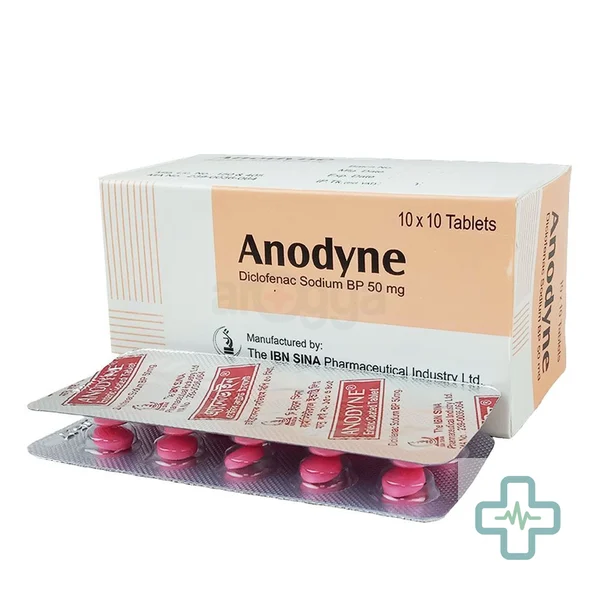
Anodyne 50 mg Tablet
Diclofenac Sodium
Ibn Sina Pharmaceutical Ind. Ltd.
Anodyne 100 mg Capsule
Diclofenac Sodium
Ibn Sina Pharmaceutical Ind. Ltd.
Anodyne 1 gm/100 gm Gel
Diclofenac Sodium
Ibn Sina Pharmaceutical Ind. Ltd.
Anodyne 1 mg/ml Eye Drops
Diclofenac Sodium
Ibn Sina Pharmaceutical Ind. Ltd.

Apain 50 mg Tablet
Diclofenac Sodium
Kemiko Pharmaceuticals Ltd.
Apain 100 mg Capsule
Diclofenac Sodium
Kemiko Pharmaceuticals Ltd.
Apain 75 mg/3 ml Injection
Diclofenac Sodium
Kemiko Pharmaceuticals Ltd.
Apain Sterile Eye Drops 1 mg/ml
Diclofenac Sodium
Kemiko Pharmaceuticals Ltd.

Apnac 50 mg Tablet
Diclofenac Sodium
Supreme Pharmaceuticals Ltd.
All Diclofenac Sodium brands (325)
- A Fenac 100 mg Sr Tablet
- A Fenac 12.5 mg Suppository
- A Fenac 25 mg Tablet
- A Fenac 50 mg Suppository
- A Fenac 50 mg Tablet
- A Fenac 75 mg/3 ml Injection
- A-Fenac SR 100 mg Sr Tablet
- Ablofen 50 mg Tablet
- Affen 100 mg Capsule
- Aid 100 mg Capsule
- Alcofen 50 mg Tablet
- Alterin 100 mg Capsule
- Alterin 50 mg Tablet
- Anfenac 1 mg/ml Eye Drops
- Anfenac 50 mg Tablet
- Anodyne 1 gm/100 gm Gel
- Anodyne 1 mg/ml Eye Drops
- Anodyne 100 mg Capsule
- Anodyne 50 mg Tablet
- Apain 100 mg Capsule
- Apain 50 mg Tablet
- Apain 75 mg/3 ml Injection
- Apain Sterile Eye Drops 1 mg/ml
- Apnac 100 mg Capsule
- Apnac 50 mg Tablet
- Befen 50 mg Tablet
- Binac 50 mg Tablet
- Bt Fenac 50 mg Tablet
- BT-Fenac TR 100 mg Capsule
- Clofen 100 mg Capsule
- Clofen 50 mg Tablet
- Clofenac 1 gm/100 gm Gel
- Clofenac 1 mg/ml Eye Drops
- Clofenac 100 mg Capsule
- Clofenac 100 mg Sr Tablet
- Clofenac 100 mg Suppository
- Clofenac 100 TR Capsule
- Clofenac 12.5 mg Suppository
- Clofenac 25 25 mg Tablet
- Clofenac 25 mg Tablet
- Clofenac 50 mg Suppository
- Clofenac 50 mg Tablet
- Clofenac 75 mg/3 ml Injection
- Clofenac SR 100 mg Sr Tablet
- Clonac 100 mg Capsule
- Clonac 50 mg Tablet
- Clotab 50 mg Tablet
- Cofac 50 mg Tablet
- D Fenac 1 gm/100 gm Gel
- D Fenac 50 mg Tablet
- Dcf 50 mg Tablet
- DCF-TR 100 mg Capsule
- Denac 50 mg Tablet
- Depain 100 mg Capsule
- Dexlofenac SR 100 mg Tablet
- DFC 75 mg/3 ml Injection
- Dicare TR 100 mg Capsule
- Diclo 50 mg Tablet
- Diclofast SR 100 mg Capsule
- Diclofen 0.1% 1 mg/ml Eye Drops
- Diclofen 1 gm/100 gm Gel
- Diclofen 100 mg Sr Tablet
- Diclofen 100 mg Suppository
- Diclofen 12.5 mg Suppository
- Diclofen 25 mg Suppository
- Diclofen 50 mg Suppository
- Diclofen 50 mg Tablet
- Diclofen 75 mg/3 ml Injection
- Diclofenac 1 gm/100 gm Gel
- Diclofenac 100 % Raw Materials
- Diclofenac 100 Capsule
- Diclofenac 100 mg Capsule
- Diclofenac 100 SR Tablet
- Diclofenac 50 50 mg Tablet
- Diclofenac 50 mg Tablet
- Diclofenac 50 Tablet
- Diclofenac Sodium 100 % Raw Materials
- Diclofenac Sodium SR Pellets 100 % Raw Materials
- Diclofenac SR 100 mg Sr Tablet
- Diclofenac SR Tablet 100 mg
- Diclofix 50 mg Tablet
- Diclofnace 100 % Raw Materials
- DicloGel 1 gm/100 gm Gel
- Diclomax 75 mg/3 ml Injection
- Diclomol Gel 1 gm/100 gm
- Diclomol Inj 3 ml 75 mg/3 ml Injection
- Diclomol SR 100 mg Sr Tablet
- Diclon 1 mg/ml Eye Drops
- Diclon 100 mg Capsule
- Diclon 50 mg Tablet
- Diclonac 100 mg Capsule
- Diclonac 50 mg Tablet
- Diclonac 75 mg/3 ml Injection
- Diclonil 100 mg Capsule
- Diclopain 50 mg Tablet
- Diclora 100 mg Capsule
- Diclorex 100 mg Sr Tablet
- Diclorex 25 mg Tablet
- Diclorex 50 mg Tablet
- Diclorex 75 mg/3 ml Injection
- Diclotab 50 mg Tablet
- Didol 50 mg Tablet
- Didol TR 100 mg Capsule
- Difen 50 mg Tablet
- Difenac 100 mg Capsule
- Difenac 50 mg Tablet
- Difenac 75 mg/3 ml Injection
- Diloren 50 mg Tablet
- Diloren SR 100 mg Tablet
- DINAC 0.1% STERILE EYE DROPS 1 mg/ml
- Dinac 100 mg Capsule
- Dinac 50 mg Tablet
- Dinac Eye & Ear Drops 1 mg/ml Eye Drops
- Diofen 50 mg Tablet
- Dix 100 mg Capsule
- Dolfree 1 gm/100 gm Gel
- DSR 100 mg Capsule
- E Fenac 50 mg Tablet
- Edifenac 100 mg Capsule
- Edifenac 50 mg Tablet
- Edifenac 75 mg/3 ml Injection
- Emov 1 gm/100 gm Gel
- Erdon 1 mg/ml Eye Drops
- Erdon 100 mg Capsule
- Erdon 50 mg Suppository
- Fanac 50 mg Tablet
- Fastfit Gel 1 gm/100 gm
- Fenac 50 mg Tablet
- Fengel 1 gm/100 gm Gel
- Fentab 100 mg Sr Tablet
- Fentab 25 mg Tablet
- Fentab 50 mg Tablet
- Ficlon 1 gm/100 gm Gel
- Ficlon 1 mg/ml Eye Drops
- Ficlon 12.5 mg Suppository
- Ficlon 25 mg Tablet
- Ficlon 50 mg Suppository
- Ficlon 50 mg Tablet
- Ficlon 75 mg/3 ml Injection
- G Diclofenac 50 mg Tablet
- G Diclofenac 75 mg/3 ml Injection
- Genac 1 gm/100 gm Gel
- Genac 1 mg/ml Eye Drops
- Genac 100 mg Capsule
- Geofenac-100 SR Tablet
- Geofenac-100 TR Capsule
- Hitflam 1 gm/100 gm Gel
- Hitflam 100 mg Sr Tablet
- Hitflam 50 mg Tablet
- Hitflam 75 mg/3 ml Injection
- Indofenac TR 100 mg Capsule
- Indofenac-50 mg Tablet
- Intafenac 1 mg/ml Eye Drops
- Intafenac 100 mg Sr Tablet
- Intafenac 50 mg Tablet
- Intafenac 75 mg/3 ml Injection
- Jefenac 100 mg Capsule
- Jefenac 12.5 mg Suppository
- Jefenac 50 mg Suppository
- Jefenac 50 mg Tablet
- Kalinac 25 mg Tablet
- Kalinac 50 mg Tablet
- Lardon 100 mg Capsule
- Locopain 1 mg/ml Eye Drops
- Locopain 100 mg Capsule
- Locopain 50 mg Tablet
- Lonac 100 mg Sr Tablet
- Lonac 50 mg Tablet
- Macfenac 50 mg Tablet
- Meclofen 50 mg Tablet
- Medifen 1 gm/100 gm Gel
- Medifen 100 mg Sr Tablet
- Medifen 50 mg Tablet
- Megafen 100 mg Sr Tablet
- Megafen 50 mg Tablet
- Megafen 75 mg/3 ml Injection
- Miclofen 100 mg Capsule
- Mobiefn 12.5 mg Suppository
- Mobifen 1 mg/ml Eye Drops
- Mobifen 100 mg Capsule
- Mobifen 25 mg Suppository
- Mobifen 25 mg Tablet
- Mobifen 50 mg Suppository
- Mobifen 50 mg Tablet
- Mobifen 75 mg Capsule
- Moov 1 gm/100 gm Gel
- Moov 100 mg Capsule
- Moov 50 mg Tablet
- Movonac 100 mg Capsule
- Movonac 50 mg Tablet
- NAB 100 mg Capsule
- NAB 50 mg Tablet
- Naclof 1 mg/ml Eye Drops
- Nal 50 mg Tablet
- Nal-TR 100 mg Capsule
- Nasfen TR-100 mg Capsule
- Nasida 100 mg Capsule
- Nasida 50 mg Tablet
- Neofen 100 mg Sr Tablet
- Neofen 50 mg Tablet
- Neofen TR 100 mg Capsule
- Neofenac 50 mg Tablet
- Niro 100 mg Sr Tablet
- Niro TR 100 mg Capsule
- Nodinac 50 mg Tablet
- Nopain 50 Suppository
- Nopain Gel 1 gm/100 gm
- Nordan 25 mg Tablet
- Nordan 50 mg Tablet
- Norfen 25 mg Tablet
- Norfen 50 mg Tablet
- Nortid 100 mg Sr Tablet
- Nortid 25 mg Tablet
- Nortid 50 mg Tablet
- Novarin 1 gm/100 gm Gel
- Novarin 100 mg Capsule
- Novarin 100 mg Sr Tablet
- Novarin 50 mg Tablet
- Omnigel 1 gm/100 gm Gel
- Orafen 100 mg Sr Tablet
- Orbifen 100 mg Capsule
- Orbifen 50 mg Tablet
- Orfenac 100 mg Capsule
- Orfenac 50 mg Tablet
- Orgafen 100 mg Capsule
- Painac 100 mg Sr Tablet
- PAINACH TR 100 mg Capsule
- Panfre 100 mg Capsule
- Panfre 75 mg/3 ml Injection
- Panfre Emulgel 1 gm/100 gm
- Panfre Gel 1% 1 gm/100 gm Gel
- Parafenac TR 100 mg Capsule
- Penac 100 mg Capsule
- Penac 50 mg Tablet
- Penac SR 100 mg Sr Tablet
- Phoenix Diclofenac 50 mg Tablet
- Phoenix Diclofenac SR 100 mg Tablet
- Profenac 1 gm/100 gm Gel
- Profenac 1 mg/ml Eye Drops
- Profenac 50 mg Tablet
- Profenac 75 mg/3 ml Injection
- Proflam 100 mg Capsule
- Proflam 50 mg Tablet
- Proladin 100 mg Capsule
- Pronac 100 mg Sr Tablet
- Pronac 50 mg Tablet
- Rac-TR 100 mg Capsule
- Radifen 100 mg Capsule
- Refain 50 mg Tablet
- Refain 75 mg/3 ml Injection
- Refain TR 100 mg Capsule
- Relnac 1% Gel 1 gm/100 gm
- Renac 100 mg Capsule
- Renac 50 mg Tablet
- Reutren 1 gm/100 gm Gel
- Reutren 1 mg/ml Eye Drops
- Reutren 100 mg Sr Tablet
- Reutren 25 mg Tablet
- Reutren 50 mg Tablet
- Reutren 75 mg/3 ml Injection
- Rispain 100 mg Capsule
- Rispain 100 mg Sr Tablet
- Rispain 50 mg Tablet
- Rispain Gel 1 gm/100 gm
- Ronac 100 mg Capsule
- Rotafen 100 mg Capsule
- Rotafen 50 mg Tablet
- S Fenac 50 mg Tablet
- S-CLO-TR 100 mg Capsule
- S-Fenac 100 mg Capsule
- Sunac 50 mg Tablet
- Tolfenac 100 mg Capsule
- Tolfenac 50 mg Tablet
- Trifenac 50 mg Tablet
- U Fenac 50 mg Tablet
- Ufen 100 mg Capsule
- Ufenac 100 mg Capsule
- Ultaran 100 mg Capsule
- Ultaran 50 mg Tablet
- Ultra TR Capsule 100 mg
- Ultrafen 1 gm/100 gm Gel
- Ultrafen 100 mg Sr Tablet
- Ultrafen 100 mg Suppository
- Ultrafen 50 mg Suppository
- Ultrafen 50 mg Tablet
- Ultrafen 75 mg/3 ml Injection
- Velofen 100 mg Capsule
- Verifen 100 SR Tablet
- Verifen SR 100 mg Capsule
- Volcan 100 mg Capsule
- Volcan 100 mg Sr Tablet
- Volcan 75 mg/3 ml Injection
- Volfen 100 mg Capsule
- Voligel Gel 1 gm/100 gm Emulgel
- Voligel Max 2 gm/100 gm Gel
- Volinac Max 2 gm/100 gm Gel
- Volmax SR 100 mg Capsule
- Volpro 1 gm/100 gm Gel
- Volpro 50 mg Tablet
- Volt 1 mg/ml Eye Drops
- Voltadol 50 mg Tablet
- Voltafen Gel 1 gm/100 gm
- Voltagel DS 2 gm/100 gm Gel
- Voltagel DS Gel 2 gm/100 gm
- Voltagel Gel 1 gm/100 gm
- Voltagel Gel 1% 1 gm/100 gm Gel
- Voltalin 1 gm/100 gm Gel
- Voltalin 100 mg Suppository
- Voltalin 25 mg Suppository
- Voltalin 25 mg Tablet
- Voltalin 50 mg Suppository
- Voltalin 75 mg/3 ml Injection
- Voltamax Gel 1 gm/100 gm
- Voltanac 1 gm/100 gm Gel
- Voltanac 100 mg Sr Tablet
- Voltanac 25 mg Tablet
- Voltanac 50 mg Suppository
- Voltanac 50 mg Tablet
- Voltid 100 mg Capsule
- Voltid 50 mg Tablet
- Voltid 75 mg/3 ml Injection
- Voltid Gel 1% 1 gm/100 gm Gel
- Volton 50 mg Tablet
- Volton TR 100 mg Capsule
- Vurdon SR 100 mg Capsule
What is Diclofenac Sodium?
Diclofenac Sodium is a non-steroidal anti-inflammatory drug (nsaid) medicine available in Bangladesh under many brand names. Below are its uses, side effects and precautions — and every brand with its current price.
What is Diclofenac Sodium used for?
Diclofenac Sodium is used for pain with inflammation, including:
- Osteoarthritis, rheumatoid arthritis and ankylosing spondylitis
- Back pain, neck pain and sciatica
- Sprains, strains and sports injuries
- Dental pain and pain after surgery
- Period (menstrual) pain
- Migraine attacks
- Acute gout flares
- Pain from kidney stones (renal colic), usually as injection or suppository
It is for symptom relief; the underlying condition still needs proper diagnosis and treatment by a doctor.
Side Effects
Common side effects of Diclofenac Sodium include:
- Stomach pain, heartburn, nausea, indigestion or diarrhoea
- Headache or dizziness
- Raised blood pressure and fluid retention (swollen ankles)
Serious but less common effects include stomach or duodenal ulcers and bleeding (black stools, vomiting blood), kidney impairment, liver enzyme changes, severe allergic reactions and, with long-term high-dose use, a small increase in heart attack and stroke risk. Stop the medicine and see a doctor urgently if you notice black stools, chest pain, breathlessness or severe stomach pain.
Precautions & Warnings
Take these precautions with Diclofenac Sodium:
- Always take it with food; your doctor may add a gastric-protective medicine (e.g. a PPI)
- Avoid completely in dengue fever or any suspected dengue — it increases bleeding risk; use paracetamol instead
- Use with great care if you are elderly or have a history of ulcer, kidney disease, heart disease, high blood pressure, liver disease or asthma
- Avoid when dehydrated (vomiting, diarrhoea) — the kidney risk rises sharply
- Do not combine with other NSAIDs, including over-the-counter painkillers
- Use the lowest dose for the shortest time; do not take daily for months without review
Drug Interactions
Important interactions of Diclofenac Sodium include:
- Other NSAIDs and aspirin — greatly increase ulcer and bleeding risk
- Blood thinners (warfarin, rivaroxaban, clopidogrel) — higher bleeding risk
- Corticosteroids and SSRIs — added risk of stomach bleeding
- ACE inhibitors, ARBs and diuretics — the combination can damage the kidneys and blunt blood-pressure control
- Lithium, methotrexate, digoxin — diclofenac raises their blood levels and toxicity
- Ciclosporin and tacrolimus — increased kidney toxicity
- Diabetes medicines — occasional blood-sugar changes; monitor
Always tell your doctor and pharmacist about every medicine you take.
Contraindications
Do not take Diclofenac Sodium if you have:
- Active stomach or duodenal ulcer, or any active bleeding
- History of GI bleeding or perforation with NSAIDs
- Established heart disease (ischaemic heart disease, heart failure NYHA II–IV), stroke or peripheral arterial disease
- Severe kidney or liver failure
- Asthma, hives or allergic reaction triggered by aspirin or other NSAIDs
- Dengue fever or suspected dengue
- The last trimester of pregnancy
- Allergy to diclofenac or any component
Pregnancy & Lactation
Pregnancy: Diclofenac Sodium should be avoided in pregnancy, and is strictly contraindicated in the last three months — it can cause premature closure of a vessel in the baby's heart, kidney problems in the baby, and delayed labour with increased bleeding. In early pregnancy, use only if a doctor judges it essential; paracetamol is the preferred alternative.
Breastfeeding: Only small amounts pass into breast milk. Short courses are generally considered acceptable during breastfeeding, but take it only on your doctor's advice.
Storage
Store Diclofenac Sodium below 30°C in a cool, dry place, protected from light and moisture. Keep tablets in the original blister pack until use. Keep gels, suppositories and injections as directed on their labels. Keep all medicines out of the reach and sight of children, and never use after the expiry date printed on the package.
Frequently asked questions about Diclofenac Sodium
Can I take Diclofenac Sodium during dengue fever?
No. Diclofenac and other NSAIDs must be avoided in dengue fever or suspected dengue. They interfere with platelets and irritate the stomach lining, which can trigger or worsen the dangerous bleeding that dengue itself causes. For fever and body ache during dengue season, use paracetamol within its daily limit, and get a CBC/NS1 test done if fever persists, as your doctor advises.
Should I take Diclofenac Sodium before or after food?
Always take Diclofenac Sodium with food or immediately after a meal, with a full glass of water. Diclofenac reduces the protective prostaglandins of the stomach lining, so taking it on an empty stomach significantly raises the risk of gastritis, heartburn and ulcers. If you need it for more than a few days, your doctor may also prescribe a stomach-protecting medicine such as omeprazole or esomeprazole alongside it.
General information about Diclofenac Sodium, written from a shared template for every medicine with this ingredient by the ChamberBD content team. This page has not been individually reviewed by a clinician and does not replace a doctor's advice — always follow your doctor's prescription.