
Generic
Cefaclor
Brand medicines containing Cefaclor available in Bangladesh — compare prices, strengths and manufacturers.
Cefaclor brands in Bangladesh
Showing 1–24 of 63 medicines
2ndCef 250 mg Capsule
Cefaclor
Medimet Pharmaceuticals Ltd.
Abaclor 375 mg Tablet
Cefaclor
Advanced Chemical Industries Limited
Abaclor 250 mg Capsule
Cefaclor
Advanced Chemical Industries Limited
Abaclor 500 mg Capsule
Cefaclor
Advanced Chemical Industries Limited
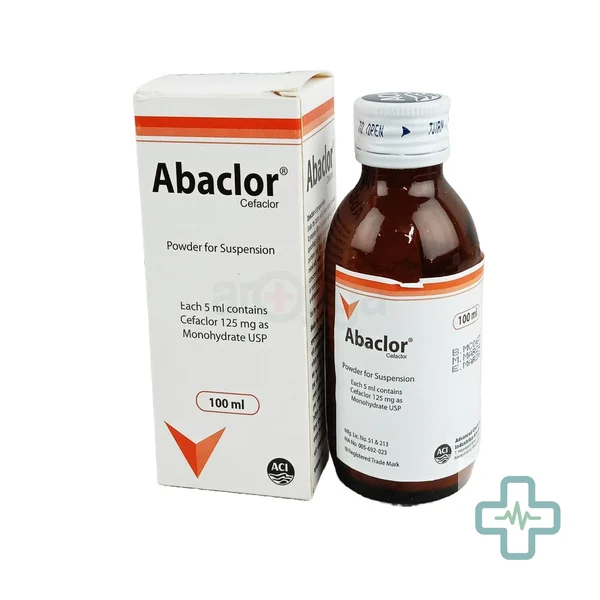
Abaclor 125 mg/5 ml Powder For Suspension
Cefaclor
Advanced Chemical Industries Limited
Abaclor 125 mg/1.25 ml Paediatric Drops
Cefaclor
Advanced Chemical Industries Limited
Alclor 500 mg Capsule
Cefaclor
The ACME Laboratories Ltd.
B-Clor 125 mg/5 ml Powder For Suspension
Cefaclor
Benham Pharmaceuticals Ltd.

Biocef 500 mg Capsule
Cefaclor
Nevian Lifescience PLC

Biocef 125 mg/5 ml Powder For Suspension
Cefaclor
Nevian Lifescience PLC
Cefclor 250 mg Capsule
Cefaclor
Pharmadesh Laboratories Ltd.
Cefclor 500 mg Capsule
Cefaclor
Pharmadesh Laboratories Ltd.
Cefclor 125 mg/5 ml Powder For Suspension
Cefaclor
Pharmadesh Laboratories Ltd.
Cefdel 500 mg Capsule
Cefaclor
Delta Pharma Limited
Cefdel 125 mg/5 ml Powder For Suspension
Cefaclor
Delta Pharma Limited

Ceflon 250 mg Capsule
Cefaclor
Eskayef Pharmaceuticals Ltd., Tongi,Gazipur
Ceflon 500 mg Capsule
Cefaclor
Eskayef Pharmaceuticals Ltd., Tongi,Gazipur
Ceflon 125 mg/5 ml Powder For Suspension
Cefaclor
Eskayef Pharmaceuticals Ltd., Tongi,Gazipur
Ceflon 125 mg/1.25 ml Paediatric Drops
Cefaclor
Eskayef Pharmaceuticals Ltd., Tongi,Gazipur

Cefticlor 375 mg Tablet
Cefaclor
Renata PLC

Cefticlor 250 mg Capsule
Cefaclor
Renata PLC

Cefticlor 500 mg Capsule
Cefaclor
Renata PLC

Cefticlor 125 mg/5 ml Powder For Suspension
Cefaclor
Renata PLC
Cefticlor 125 mg/1.25 ml Paediatric Drops
Cefaclor
Renata PLC
All Cefaclor brands (63)
- 2ndCef 250 mg Capsule
- Abaclor 125 mg/1.25 ml Paediatric Drops
- Abaclor 125 mg/5 ml Powder For Suspension
- Abaclor 250 mg Capsule
- Abaclor 375 mg Tablet
- Abaclor 500 mg Capsule
- Alclor 500 mg Capsule
- B-Clor 125 mg/5 ml Powder For Suspension
- Biocef 125 mg/5 ml Powder For Suspension
- Biocef 500 mg Capsule
- Cefclor 125 mg/5 ml Powder For Suspension
- Cefclor 250 mg Capsule
- Cefclor 500 mg Capsule
- Cefdel 125 mg/5 ml Powder For Suspension
- Cefdel 500 mg Capsule
- Ceflon 125 mg/1.25 ml Paediatric Drops
- Ceflon 125 mg/5 ml Powder For Suspension
- Ceflon 250 mg Capsule
- Ceflon 500 mg Capsule
- Cefticlor 125 mg/1.25 ml Paediatric Drops
- Cefticlor 125 mg/5 ml Powder For Suspension
- Cefticlor 250 mg Capsule
- Cefticlor 375 mg Tablet
- Cefticlor 500 mg Capsule
- CFL 125 mg/1.25 ml Paediatric Drops
- CFL 125 mg/5 ml Powder For Suspension
- Clobac 125 mg/1.25 ml Paediatric Drops
- Clobac 125 mg/5 ml Powder For Suspension
- Clobac 250 mg Capsule
- Clobac 500 mg Capsule
- Clocef 125 mg/5 ml Powder For Suspension
- Clocef 250 mg Capsule
- Clocef 500 mg Capsule
- Clorocef 125 mg/1.25 ml Paediatric Drops
- Clorocef 250 mg Capsule
- Clorocef 500 mg Capsule
- E Clor 250 mg Capsule
- Efaclor 125 mg/5 ml Powder For Suspension
- Loracef 125 mg/1.25 ml Paediatric Drops
- Loracef 125 mg/5 ml Powder For Suspension
- Loracef 250 mg Capsule
- Loracef 375 mg Tablet
- Loracef 500 500 mg Capsule
- Loracef 500 mg Capsule
- Loracef ER 375 mg Tablet
- Navacef 125 mg/5 ml Powder For Suspension
- Navacef 250 mg Capsule
- Navacef 500 mg Capsule
- Navanacef 125 mg Paediatric Drops
- Oticef 250 mg Capsule
- Oticef 500 mg Capsule
- Oticef PD 125 mg/1.25 ml Paediatric Drops
- Oticef PFS 125 mg/5 ml Powder For Suspension
- Oticlor 125 mg/1.25 ml Paediatric Drops
- Oticlor 125 mg/5 ml Powder For Suspension
- Oticlor 250 mg Capsule
- Oticlor 500 mg Capsule
- Sefalor 125 mg/5 ml Powder For Suspension
- Ulfaclor 125 mg/5 ml Powder For Suspension
- Ulfaclor 250 mg Capsule
- Ulfaclor 500 mg Capsule
- Uniclor 125 mg/1.25 ml Paediatric Drops
- Xclor 125 mg/5 ml Powder For Suspension
What is Cefaclor?
Cefaclor is a second-generation cephalosporin antibiotic medicine available in Bangladesh under many brand names. Below are its uses, side effects and precautions — and every brand with its current price.
What is Cefaclor used for?
Cefaclor is prescribed by doctors for infections caused by sensitive bacteria, including:
- Ear infections (otitis media), especially in children
- Throat and tonsil infections
- Sinus and respiratory infections, including bronchitis and pneumonia
- Urinary tract infections
- Skin and soft-tissue infections
Cefaclor does not work against viral illnesses such as colds or flu. Your doctor will decide if it is the right antibiotic for your specific infection.
Side Effects
Cefaclor is usually well tolerated, but side effects can include:
- Common: diarrhoea, nausea, indigestion and mild stomach discomfort
- Less common: skin rash, itching, joint aches and dizziness
- Serious (seek urgent help): severe or bloody diarrhoea, a serum-sickness-like reaction (rash with joint pain and fever, more common in children), or signs of a severe allergic reaction such as facial swelling and breathing difficulty
Report any spreading rash, swelling or severe diarrhoea to your doctor straight away.
Precautions & Warnings
Cefaclor is a prescription-only antibiotic. Take it only when prescribed by a registered doctor — never self-medicate, share it, or use leftover medicine for a different illness.
- Complete the full course even if you feel better within a day or two, so the infection is fully cleared.
- Antibiotic resistance is a serious and growing crisis in Bangladesh. Every unnecessary or incomplete antibiotic course makes common infections harder to treat in future.
- Tell your doctor about any penicillin or cephalosporin allergy.
- Mention kidney disease or a history of bowel problems before starting.
Drug Interactions
Give your doctor a complete list of your medicines and supplements. Cefaclor can interact with:
- Antacids taken at the same time — may reduce absorption of some forms
- Probenecid — increases cefaclor levels in the blood
- Warfarin — bleeding risk may rise
- Other medicines that can affect the kidneys
Cefaclor has relatively few interactions, but always confirm with your doctor or pharmacist before adding any new medicine during your course.
Contraindications
Do not take Cefaclor if you:
- Have a known allergy to cephalosporin antibiotics
- Have had a severe allergic reaction to penicillin — discuss this with your doctor first
Use with caution and medical supervision if you have kidney disease or a history of colitis. Always share your full medical history, including past drug reactions, before starting this medicine.
Pregnancy & Lactation
Cefaclor is generally considered usable during pregnancy when a doctor decides it is needed, as cephalosporins have a long safety record, but it should only be taken on medical advice.
Small amounts pass into breast milk and it is usually viewed as compatible with breastfeeding, with the baby watched for loose motions. If you are pregnant, planning a pregnancy or breastfeeding, tell your doctor before taking Cefaclor so the most suitable and safe medicine can be selected.
Storage
Store Cefaclor in a cool, dry place below 30°C, away from sunlight and moisture.
- Keep capsules or tablets in their original pack.
- Reconstituted suspension usually needs refrigeration — follow the label and discard after the stated period (often 14 days).
- Keep all medicines out of the reach of children.
- Do not use after the expiry date; return unused medicine to a pharmacy.
General information about Cefaclor, written from a shared template for every medicine with this ingredient by the ChamberBD content team. This page has not been individually reviewed by a clinician and does not replace a doctor's advice — always follow your doctor's prescription.