 Chamber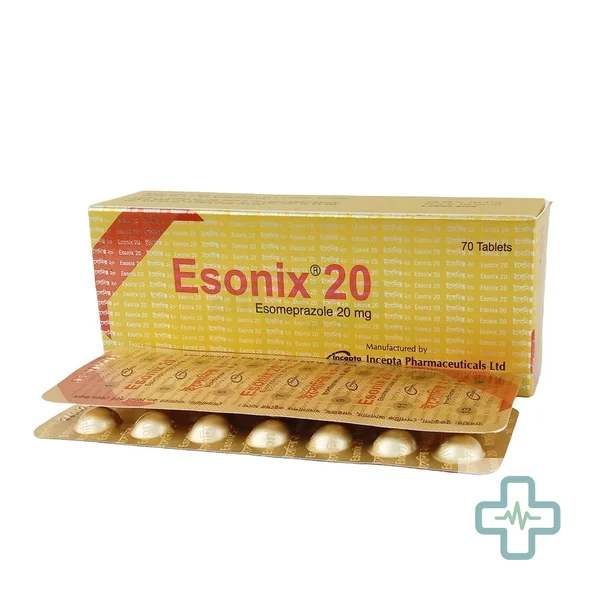
Tablet
Esonix 20 mg Tablet
Generic: Esomeprazole
Manufacturer: Incepta Pharmaceuticals Ltd.
Therapeutic class: Proton Pump Inhibitor (PPI)
What is Esonix used for?
Esonix 20 mg Tablet contains esomeprazole, a proton pump inhibitor from Incepta Pharmaceuticals Ltd. It is used to reduce stomach acid in conditions such as gastro-oesophageal reflux disease, acid-related indigestion, and ulcer-related acid…
Price in Bangladesh
| Pack | Price (BDT) |
|---|---|
| Per tablet | ৳ 7.00 |
| Strip of 14 | ৳ 98.00 |
Prices are indicative — actual retail price may vary by pharmacy.
What is Esonix?
Esonix 20 mg Tablet contains esomeprazole, a proton pump inhibitor from Incepta Pharmaceuticals Ltd. It is used to reduce stomach acid in conditions such as gastro-oesophageal reflux disease, acid-related indigestion, and ulcer-related acid irritation.
Esonix 20 mg tablet is a preparation of Esomeprazole manufactured by Incepta Pharmaceuticals Ltd.. It belongs to the proton pump inhibitor (PPI) group of medicines, which reduce the amount of acid produced in the stomach. Doctors in Bangladesh commonly prescribe Esonix for acid-related problems such as gastro-oesophageal reflux disease (GERD), gastric and duodenal ulcers, and heartburn that does not settle with simple antacids.
Esomeprazole works by blocking the proton pumps in the acid-producing cells of the stomach lining. These pumps are the final step in acid secretion, so switching them off lowers acid output for many hours. With less acid, irritated tissue in the food pipe and stomach gets a chance to heal, pain and burning ease, and ulcers caused by acid or by pain-killer (NSAID) use can recover.
Indications
- Gastro-oesophageal reflux disease (GERD), including erosive oesophagitis
- Heartburn and acid regurgitation not relieved by antacids
- Gastric and duodenal (peptic) ulcers
- Helicobacter pylori eradication, combined with antibiotics as prescribed
- Prevention and healing of ulcers caused by NSAID pain-killers
- Zollinger-Ellison syndrome and other acid hypersecretion conditions
- Functional dyspepsia with acid-related symptoms, when advised by a doctor
Dosage & Administration
The dose of Esonix is always decided by a registered doctor based on the condition being treated, its severity and your overall health. For adults, commonly used ranges of esomeprazole are 20-40 mg once daily, usually taken at least 30-60 minutes before a meal, most often before breakfast. Treatment courses typically run from 2 to 8 weeks; some conditions need longer maintenance at the lowest effective dose.
Swallow the tablet whole with water; do not crush or chew delayed-release preparations. For children, dosing is weight-based and must be set by a doctor. Do not increase the dose or extend the course on your own, and complete the duration your doctor advises.
Side Effects
Most people tolerate esomeprazole well. Common side effects are usually mild and include headache, nausea, abdominal pain, bloating or wind, diarrhoea, constipation and dry mouth. These often settle as the body adjusts to the medicine.
Less common effects include dizziness, skin rash and itching. Long-term use (generally beyond a year) has been linked with low magnesium levels, vitamin B12 deficiency, a slightly higher risk of bone fracture and gut infections. Stopping suddenly after long use may cause temporary rebound acidity. Seek medical help promptly for severe allergic reactions, persistent watery diarrhoea, unusual muscle cramps or irregular heartbeat.
Precautions & Warnings
Before starting esomeprazole, tell your doctor if you have liver disease, low magnesium, osteoporosis or a history of gut infections. Persistent reflux symptoms in older adults, unintentional weight loss, difficulty swallowing, vomiting blood or black stools need medical evaluation first, because acid-reducing medicines can mask serious stomach disease.
Use the lowest effective dose for the shortest time that controls symptoms; review long-term use with your doctor regularly. Long courses may need monitoring of magnesium and vitamin B12. Do not stop a long course abruptly without advice, as rebound acidity may occur. Maintain lifestyle measures such as avoiding late heavy meals, smoking and excess tea or coffee.
Drug Interactions
Esomeprazole can interact with several medicines, so tell your doctor about everything you take, including herbal products. It may reduce the antiplatelet effect of clopidogrel, and combining the two is generally avoided. By lowering stomach acid, it can reduce absorption of medicines that need acid, such as ketoconazole, itraconazole, iron salts and some HIV medicines (for example atazanavir).
It may increase blood levels of diazepam, phenytoin, warfarin (raising bleeding risk) and methotrexate. Levels of digoxin and tacrolimus can also change. Avoid taking it with St John's Wort or rifampicin, which can lower its effect. Your doctor may adjust doses or separate timing where needed.
Contraindications
Esomeprazole should not be used by people with known hypersensitivity (allergy) to esomeprazole, other proton pump inhibitors such as omeprazole or pantoprazole, or any ingredient of the preparation. Signs of previous allergy include rash, swelling of the face or throat, and breathing difficulty after taking a PPI.
It must not be taken together with rilpivirine-containing HIV medicines, and co-use with atazanavir or nelfinavir is generally not recommended. Use with clopidogrel is usually avoided. Caution and specialist advice are needed in severe liver disease, where lower doses may be required. Always confirm suitability with your doctor before starting.
Pregnancy & Lactation
Pregnancy: Available data on esomeprazole in pregnancy have not shown clear harm, but evidence is limited. It should be used only when a doctor judges that the benefit outweighs any possible risk, at the lowest effective dose. Simple lifestyle measures and antacids are often tried first for pregnancy heartburn.
Lactation: Small amounts may pass into breast milk. Harm to the baby is considered unlikely, but data are limited, so breastfeeding mothers should use it only on a doctor's advice. Watch the infant for unusual sleepiness or feeding problems and report any concerns to your doctor.
Storage Conditions
Store below 30°C in a cool, dry place, protected from direct sunlight and moisture. Keep the tablet in its original blister or container until use. Keep all medicines out of the reach and sight of children. Do not use after the expiry date printed on the pack, and return unused or expired medicine to a pharmacy where possible rather than disposing of it in household waste.
Frequently Asked Questions
Should I take Esonix on an empty stomach?
How long can I safely take Esonix?
Can I take an antacid together with Esonix?
Last updated: