 Chamber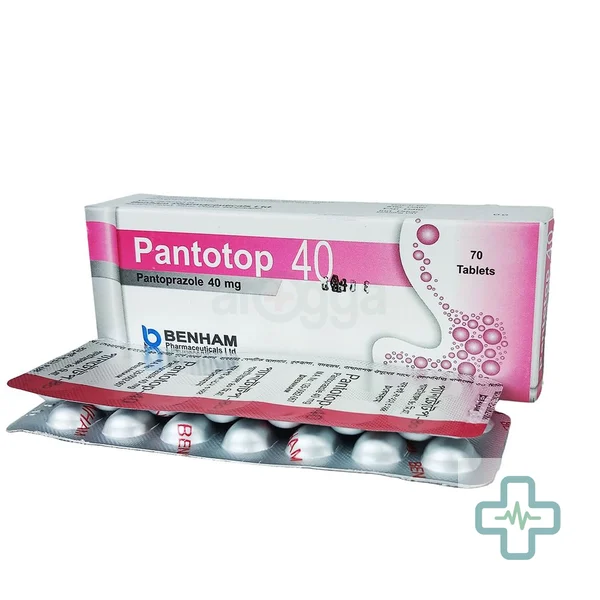
Tablet
Pantotop 40 40 mg Tablet
Generic: Pantoprazole
Manufacturer: Benham Pharmaceuticals Ltd.
Therapeutic class: Proton Pump Inhibitor (PPI)
What is Pantotop 40 used for?
Pantotop 40 is a 40 mg pantoprazole tablet produced by Benham Pharmaceuticals Ltd. Pantoprazole belongs to the proton pump inhibitor class, blocking acid secretion in the stomach to relieve acid reflux (GERD), erosive oesophagitis, and ulce…
Price in Bangladesh
| Pack | Price (BDT) |
|---|---|
| Per tablet | ৳ 8.00 |
| Strip of 14 | ৳ 112.00 |
Prices are indicative — actual retail price may vary by pharmacy.
What is Pantotop 40?
Pantotop 40 is a 40 mg pantoprazole tablet produced by Benham Pharmaceuticals Ltd. Pantoprazole belongs to the proton pump inhibitor class, blocking acid secretion in the stomach to relieve acid reflux (GERD), erosive oesophagitis, and ulcers.
Pantotop 40 40 mg tablet is a Pantoprazole preparation manufactured by Benham Pharmaceuticals Ltd.. It belongs to the proton pump inhibitor (PPI) family, used to lower the amount of acid the stomach produces. Doctors prescribe Pantotop 40 for gastro-oesophageal reflux disease (GERD), reflux oesophagitis, gastric and duodenal ulcers, and to protect the stomach in people who need long-term NSAID pain-killers.
Pantoprazole works by binding to and switching off the proton pumps in the acid-secreting cells of the stomach wall. As these pumps perform the final step of acid release, blocking them cuts acid production substantially for many hours. Lower acidity eases burning and pain, lets damaged stomach and food-pipe lining heal, and supports antibiotic treatment of Helicobacter pylori.
Indications
- Gastro-oesophageal reflux disease (GERD) and reflux oesophagitis
- Heartburn, acidity and acid regurgitation
- Gastric and duodenal (peptic) ulcers
- Prevention of ulcers in people taking long-term NSAIDs
- Helicobacter pylori eradication with antibiotics, as prescribed
- Zollinger-Ellison syndrome and other acid hypersecretion states
- Stress ulcer prophylaxis in hospital settings, under medical supervision
Dosage & Administration
Only a registered doctor should decide the dose and duration of Pantotop 40 for you, based on the diagnosis and your overall condition. Commonly used adult ranges of pantoprazole are 20-40 mg once daily, usually taken 30-60 minutes before breakfast. Typical courses last 2 to 8 weeks, while maintenance treatment, if needed, continues at the lowest effective dose under review.
Swallow the tablet whole with water without crushing or chewing, as the enteric coating protects the medicine from stomach acid. In hospital, an injectable form may be used temporarily. For children, use is weight-based and only as directed by a doctor.
Side Effects
Pantoprazole is usually well tolerated. Common side effects include headache, diarrhoea, nausea, abdominal pain, bloating, constipation and dizziness. Most are mild and pass without stopping the medicine.
Uncommon effects include skin rash, itching, sleep disturbance and raised liver enzymes. With long-term use (generally beyond a year), low magnesium, vitamin B12 deficiency, slightly increased fracture risk and gut infections have been reported, as with other PPIs. Rarely, severe allergic reactions or serious skin reactions occur. Seek medical help quickly for facial swelling, breathing difficulty, blistering skin rash, persistent watery diarrhoea or muscle cramps with irregular heartbeat.
Precautions & Warnings
Before taking pantoprazole, tell your doctor about liver disease, low magnesium, osteoporosis, vitamin B12 deficiency or previous gut infections. If you have warning signs such as unexplained weight loss, repeated vomiting, vomiting blood, black stools or trouble swallowing, these must be investigated, since reducing acid can mask serious disease.
Take the lowest effective dose for the shortest suitable period; long-term users should have periodic medical review and may need magnesium and B12 checks. Avoid abrupt stopping after prolonged use because acid symptoms may temporarily rebound. Sensible habits — regular meals, less spicy oily food, limiting smoking, tea and coffee — support treatment.
Drug Interactions
Pantoprazole has fewer drug interactions than some other PPIs, but care is still needed. By reducing stomach acid it can lower the absorption of ketoconazole, itraconazole, iron salts and certain HIV medicines such as atazanavir and nelfinavir, which should not be taken with it.
It may enhance the effect of warfarin and other coumarin anticoagulants, so INR monitoring is advised, and high-dose methotrexate levels can rise during co-use. Tell your doctor if you take digoxin, diuretics (low magnesium risk) or rilpivirine-containing medicines. Always share a complete medicine list, including supplements and herbal products, with your doctor and pharmacist.
Contraindications
Pantoprazole must not be used by anyone with known hypersensitivity to pantoprazole, other proton pump inhibitors or any excipient in the preparation. Previous reactions such as rash, swelling of the face or tongue, or breathing difficulty after a PPI are a clear warning not to take it again without specialist review.
Co-administration with rilpivirine-containing HIV medicines is contraindicated, and use with atazanavir or nelfinavir is not recommended. People with severe liver impairment need dose reduction and close supervision. As with all prescription medicines, confirm suitability with a registered doctor before starting.
Pregnancy & Lactation
Pregnancy: Data on pantoprazole in pregnancy are limited, though available reports have not shown clear harm. It should be used only if a doctor decides the benefit justifies any possible risk, at the lowest effective dose. For pregnancy heartburn, lifestyle changes and antacids are generally tried first.
Lactation: Small amounts of pantoprazole pass into breast milk. Significant effects on the baby are considered unlikely, but breastfeeding mothers should take it only on medical advice, and report any unusual sleepiness, poor feeding or rash in the infant to their doctor.
Storage Conditions
Store below 30°C in a cool, dry place away from direct sunlight and moisture. Keep the tablet in the original blister or container until use to protect the enteric coating. Keep out of the reach and sight of children. Do not use after the printed expiry date, and dispose of leftover medicine responsibly, preferably via a pharmacy take-back.
Frequently Asked Questions
Can I break or chew Pantotop 40 if I find it hard to swallow?
How quickly will Pantotop 40 relieve my heartburn?
Is Pantotop 40 safer than other acid medicines for long-term use?
Last updated: