 Chamber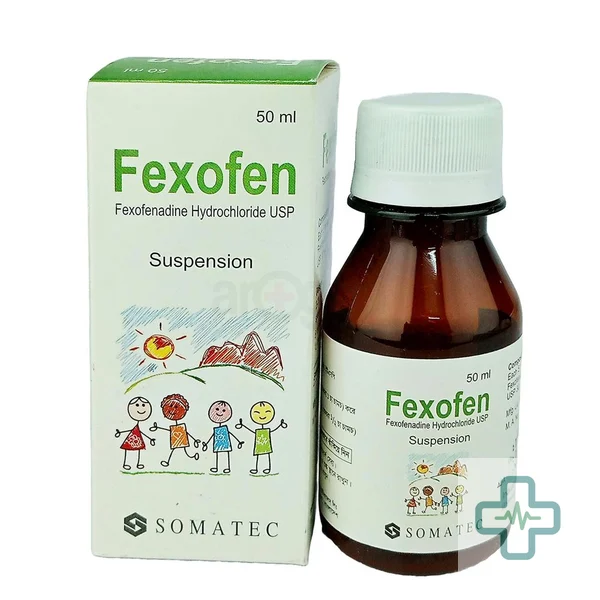
Suspension
Fexofen 30 mg/5 ml Suspension
Generic: Fexofenadine Hydrochloride
Manufacturer: Incepta Pharmaceuticals Ltd.
Therapeutic class: Second-generation (non-sedating) antihistamine
What is Fexofen used for?
Fexofen 30 mg/5 ml Suspension contains fexofenadine hydrochloride, a second-generation antihistamine. It is used to relieve allergy symptoms such as sneezing, runny or itchy nose, itchy/watery eyes, and hives associated with chronic urticar…
Price in Bangladesh
| Pack | Price (BDT) |
|---|---|
| Per suspension | ৳ 50.00 |
| 50ml bot | ৳ 50.00 |
Prices are indicative — actual retail price may vary by pharmacy.
What is Fexofen?
Fexofen 30 mg/5 ml Suspension contains fexofenadine hydrochloride, a second-generation antihistamine. It is used to relieve allergy symptoms such as sneezing, runny or itchy nose, itchy/watery eyes, and hives associated with chronic urticaria.
Fexofen 30 mg/5 ml suspension is manufactured and marketed by Incepta Pharmaceuticals Ltd. in Bangladesh. It contains Fexofenadine Hydrochloride, a modern non-sedating antihistamine widely used for allergic rhinitis (sneezing, runny and itchy nose), allergic eye symptoms and urticaria (hives). Because it barely enters the brain, it relieves allergy without the heavy drowsiness of older antihistamines, making it suitable for students, drivers and office workers.
Fexofenadine works by blocking histamine H1 receptors. When your body meets an allergen — dust, pollen, certain foods — mast cells release histamine, which triggers sneezing, itching, watery discharge and skin wheals. By occupying the H1 receptors, fexofenadine stops histamine from acting, easing symptoms within about an hour and lasting a full 24 hours per dose.
Indications
Fexofen is used for:
- Allergic rhinitis — seasonal and year-round: sneezing, runny nose, blocked itchy nose, itchy palate
- Allergic eye symptoms — red, itchy, watery eyes accompanying rhinitis
- Chronic idiopathic urticaria — recurrent hives and skin itching without a known cause
- Itching from other allergic skin conditions, as advised by a doctor
- Dust-, pollen- and mite-triggered allergy common in Bangladesh's seasons
It controls symptoms but does not cure the allergy itself; identifying and avoiding your triggers remains important.
Dosage & Administration
Usual adult and adolescent (12+) doses of Fexofen:
- Allergic rhinitis: 120 mg once daily
- Urticaria (hives): 180 mg once daily
- Children 6–11 years: 30 mg twice daily, usually as suspension, per the doctor
Take it before a meal with plain water. Importantly, do not take it with fruit juice — apple, orange or grapefruit juice can cut its absorption sharply; keep about 4 hours between juice and the tablet. Also separate aluminium/magnesium antacids by at least 2 hours. Your doctor decides the dose and how long to continue, especially for children and long-term allergy.
Side Effects
Fexofen is generally very well tolerated. Possible side effects include:
- Headache — the most commonly reported
- Mild drowsiness in a small minority (far less than older antihistamines)
- Dizziness or nausea
- Dry mouth
- Tiredness
Rare effects include palpitations, sleep disturbance and allergic reactions such as rash, swelling of the face or breathing difficulty — stop the medicine and seek urgent care if these occur. Unlike first-generation antihistamines, it does not usually impair concentration, studying or driving at standard doses.
Precautions & Warnings
Precautions with Fexofen:
- Mind the fruit-juice rule: take it with water only; keep about 4 hours away from apple, orange or grapefruit juice
- Separate aluminium- or magnesium-containing antacids by at least 2 hours
- Tell your doctor if you have kidney disease — a lower dose may be needed
- Although non-sedating for most people, see how it affects you before driving long distances
- If hives come with lip or tongue swelling or breathing difficulty, treat it as an emergency — antihistamine tablets alone are not enough
- Consult a doctor if symptoms do not improve within a few days or keep returning
Drug Interactions
Fexofen has relatively few drug interactions, but note:
- Fruit juices (apple, orange, grapefruit) — reduce absorption by more than half; take the tablet with water, 4 hours apart from juice
- Antacids containing aluminium or magnesium — reduce absorption; keep a 2-hour gap
- Ketoconazole and erythromycin — can raise fexofenadine blood levels, though usually without serious harm
- Rifampicin — may lower its levels and effect
- Other sedating medicines or alcohol — fexofenadine adds little sedation, but stay observant the first few days
Tell your doctor about all medicines you use, including antacids bought over the counter.
Contraindications
Do not take Fexofen if you have:
- Known allergy to fexofenadine or any ingredient of the product
Use it only with a doctor's advice if you have:
- Significant kidney impairment (dose reduction may be needed)
- Severe liver disease
- Heart rhythm problems — discuss with your doctor first
The standard tablet strengths are not for children under 6 years; younger children need paediatric preparations and doses set by a doctor.
Pregnancy & Lactation
Pregnancy: There is limited human data on fexofenadine in pregnancy, so it is used only if the doctor judges the benefit outweighs the risk. Better-studied antihistamines are often preferred first; do not self-medicate while pregnant.
Breastfeeding: Small amounts pass into breast milk. Occasional doses are generally considered acceptable while monitoring the baby for sleepiness or irritability, but use it during breastfeeding only on your doctor's advice.
Storage Conditions
Store Fexofen below 30°C in a cool, dry place, protected from light and moisture. Keep tablets in the original blister pack until use; keep suspension bottles tightly closed and follow the label for use after opening. Keep all medicines out of the reach and sight of children. Do not use after the expiry date printed on the pack.
Frequently Asked Questions
Does Fexofen cause drowsiness like other allergy medicines?
For the vast majority of people, no. Fexofenadine is among the least sedating antihistamines because it hardly crosses into the brain — unlike older medicines such as chlorpheniramine, which cause marked sleepiness. A small minority may still feel mildly drowsy, so observe your own response for the first day or two before long drives or critical work. If you need an allergy medicine that keeps you alert at work or study, fexofenadine is usually a good choice.
Why can I not take Fexofen with fruit juice?
Fruit juices — especially apple, orange and grapefruit — block the transporter proteins in the gut that carry fexofenadine into your bloodstream. Taking the tablet with juice can cut absorption by more than half, leaving your allergy poorly controlled even though you took the medicine. Always swallow Fexofen with plain water, and keep roughly a 4-hour gap between the tablet and any fruit juice.
How long can I keep taking Fexofen for my allergy?
Fexofenadine is suitable for both short courses and longer seasonal or year-round use, and it does not lose effectiveness or cause dependence with daily use. For chronic allergic rhinitis or chronic urticaria, doctors often continue it for weeks to months and review periodically. If you find yourself needing it most days for months, see a doctor — allergy testing, nasal sprays or trigger control may manage the root problem better than tablets alone.
Last updated: