
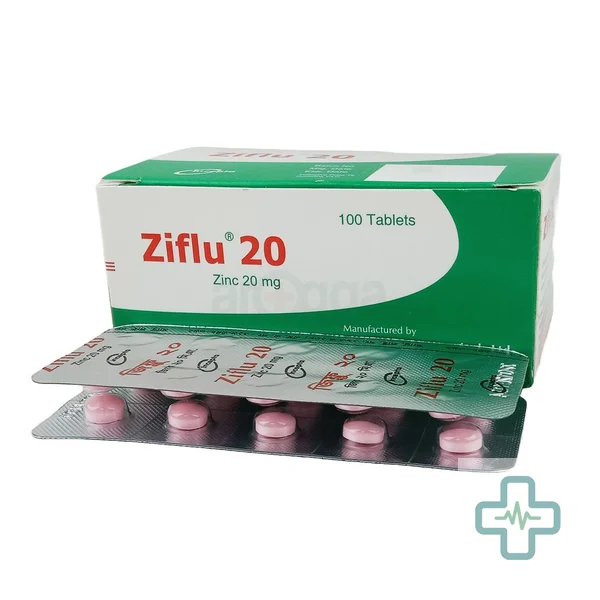
Tablet
Ziflu 20 mg Tablet
Generic: Zinc
Manufacturer: Incepta Pharmaceuticals Ltd.
Therapeutic class: Mineral supplement (trace element)
What is Ziflu used for?
Ziflu (Tablet) contains Zinc 20 mg and is made by Incepta Pharmaceuticals Ltd. Therapeutic class: Mineral supplement (trace element).
Price in Bangladesh
| Pack | Price (BDT) |
|---|---|
| Per tablet | ৳ 1.50 |
| Strip of 10 | ৳ 15.00 |
Prices are indicative — actual retail price may vary by pharmacy.
What is Ziflu?
Ziflu 20 mg Tablet contains zinc, an essential trace mineral needed by the body in small amounts. It is used to treat or prevent zinc deficiency and may be given as supportive care in conditions such as diarrhoea when advised by a doctor.
Ziflu 20 mg tablet by Incepta Pharmaceuticals Ltd. is a Zinc preparation used to prevent and treat zinc deficiency. Zinc is an essential trace mineral needed for immunity, growth, wound healing, taste and skin health. In Bangladesh, Ziflu is widely used alongside oral rehydration salts (ORS) in childhood diarrhoea, and to support nutrition in poor appetite, recurrent infections and slow wound healing.
Zinc works as a vital component of several hundred enzymes involved in protein synthesis, cell division and immune cell function. During diarrhoea, the body loses zinc, which weakens the gut lining and immunity; replacing it helps the intestinal wall recover, shortens the episode and reduces the chance of further diarrhoea in the following weeks.
Indications
- Adjunct to ORS in acute and persistent childhood diarrhoea
- Prevention and treatment of zinc deficiency
- Nutritional support in malnutrition and recurrent infections
- Support of wound healing and skin conditions linked to zinc deficiency, per doctor
- Loss of taste or appetite associated with zinc deficiency
- Supplementation in pregnancy and lactation when advised by a doctor
Dosage & Administration
ChamberBD shows dosing only from the approved product label, with its source named, and no label is on file for Ziflu 20 mg Tablet. Use the dose your doctor prescribed and the instructions in the pack leaflet.
Side Effects
Zinc supplements are generally well tolerated at recommended doses. The most common side effects are mild stomach upset, nausea, occasional vomiting shortly after a dose, a metallic taste, and loose stools or constipation. Taking it after food reduces these problems for most people.
High doses or prolonged excessive use can cause copper deficiency leading to anaemia and low white cells, reduced HDL cholesterol and weakened immunity — the opposite of the intended benefit. Very large single doses cause abdominal pain and vomiting. Allergic reactions are rare. Seek medical advice for persistent vomiting, unusual tiredness or any severe reaction.
Precautions & Warnings
In childhood diarrhoea, zinc is an adjunct — ORS and continued feeding (including breastfeeding) remain the mainstay. Watch for danger signs such as sunken eyes, very little urine, lethargy, blood in stool or high fever, which need urgent medical care. Give the dispersible tablet fully dissolved; do not force a vomiting child repeatedly without advice.
Avoid taking zinc long term above recommended amounts, as copper deficiency can develop silently. People with kidney disease should use it only under medical guidance. Separate zinc from tea, coffee, bran-rich meals and from iron or calcium supplements by about two hours, since these reduce its absorption.
Drug Interactions
Zinc reduces the absorption of several antibiotics — tetracyclines (doxycycline) and quinolones (ciprofloxacin, levofloxacin) — so take these at least two hours before or four to six hours after zinc. It also lowers absorption of penicillamine and some osteoporosis medicines; spacing is required.
Iron, calcium and copper supplements compete with zinc for absorption, and high-dose zinc depletes copper. Thiazide diuretics increase zinc loss in urine during long-term use. Foods rich in phytates (bran, some cereals) and tea reduce zinc uptake. Tell your doctor or pharmacist about all your medicines and supplements so timings can be arranged.
Contraindications
Zinc preparations should not be used by anyone with known hypersensitivity to zinc salts or any component of the formulation. They are not a treatment for diarrhoea on their own and must not replace ORS and medical care in a dehydrated child.
High-dose zinc should be avoided in people with copper deficiency or unexplained anaemia until assessed. Those with significant kidney impairment should not take zinc supplements without medical supervision, as excretion is reduced. If symptoms such as vomiting, abdominal pain or rash follow each dose, stop and consult a doctor before continuing.
Pregnancy & Lactation
Pregnancy: Zinc at recommended supplemental doses is considered safe in pregnancy and is sometimes prescribed, since zinc needs rise while expecting. High doses should be avoided. Take it as part of doctor-advised antenatal care rather than self-prescribing multiple supplements that may overlap.
Lactation: Zinc passes into breast milk and normal supplemental doses are compatible with breastfeeding; requirements are slightly higher while nursing. Avoid exceeding recommended amounts, as chronic excess can affect copper balance in both mother and baby. Discuss your total intake from all supplements with your doctor.
Storage Conditions
Store as printed on the pack and keep out of the reach of children.